

Ticks are a persistent concern on properties throughout Northern Rhode Island, especially where wooded edges and stone walls meet the lawn. Our all-natural tick control in Northern Rhode Island helps create a protective barrier around the outdoor spaces your family and pets use most. Applied every four weeks by trained technicians, it is built to support safer outdoor living before tick activity gets out of hand.
GET A FREE QUOTE
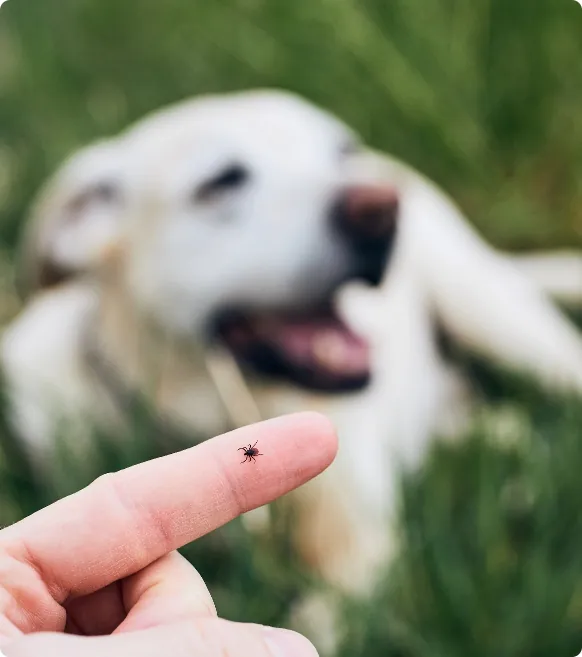
Across the Blackstone Valley, ticks thrive in leaf litter, brushy borders, and damp shaded areas near river corridors and wooded backyards. They are not just irritating pests because they can carry Lyme disease, anaplasmosis, and other illnesses that affect both people and pets. During the active season, even routine yard time can lead to exposure.
Most homeowners first notice ticks after finding them on a dog, on clothing, or near the skin after time outside. Problem areas often include arborvitae lines, hosta beds, shaded mulch borders, and the rough edges along woods and stone walls. If ticks are showing up on people or pets, there is a good chance they are already living somewhere on your property. When you choose ohDEER’s natural tick control in Northern Rhode Island, you get a safer, smarter approach built for long-term protection.
When you choose ohDEER, you’re choosing:

Tick season isn’t what it used to be. Warmer winters mean ticks are active longer, and in more places, than ever before.
Light tick pressure around a suburban yard? Our Control plan may be all you need. Wooded edges, heavy brush, or year-round concern? Annual Control provides uninterrupted protection across every season. Here’s how ohDEER keeps ticks off your property all year long.
ohDEER’s Tick Control provides regular applications of our all-natural tick repellent spray, keeping ticks off your lawn, away from your family, pets, and property.
Every four weeks, spring–fall.
Everything in Control, plus targeted granular treatment of tick habitat areas — leaf litter, wood edges, and shaded zones where ticks hide and breed.
Every four weeks, spring–fall
Continuous tick control across all seasons, including fall and winter applications to eliminate overwintering tick populations before they emerge in spring.
Every four weeks, year-round.
Ticks often settle into quiet corners of the property, especially where lawn meets woods, beds, or brushy backlot edges. Our program helps reduce tick activity where they hide and breed, creating more usable outdoor areas for family time, pets, and daily life.
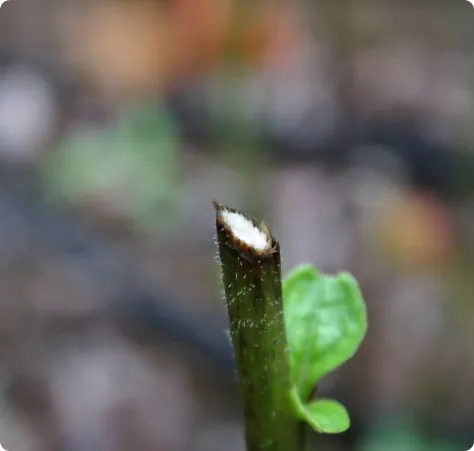

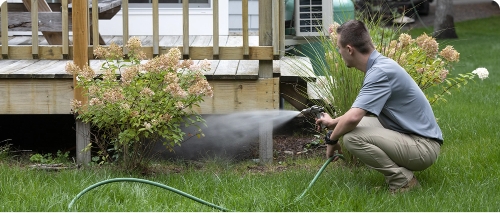
Our approach starts where ticks are most likely to settle first: stone-wall edges, arborvitae rows, and damp planting beds along the tree line. By applying a plant-based treatment there, we create a natural barrier around brushy borders, shaded hosta beds, and backlot transitions off the Blackstone Valley that supports long-term deterrence without harsh synthetic chemistry.






We don’t believe in hiding behind hard-to-pronounce chemicals or using them in our products!




Yes. Professional natural tick control treatments can significantly reduce tick populations without harsh chemicals. At ohDEER, our plant-based tick sprays are safe for kids, pets, and pollinators while effectively disrupting the tick life cycle.
Ticks are active until the ground is completely frozen over, when they hibernate. They will become active again when the ground unfreezes.
A combination of natural tick control sprays and smart landscaping helps prevent ticks. Mow your lawn weekly, clear away leaves and brush, move woodpiles into sunny areas, and add a barrier of gravel or wood chips around your yard to reduce tick migration.
For best results, schedule tick yard treatments every 3 to 4 weeks during peak tick season. Consistent applications maintain protection and reduce the chances of a tick infestation taking hold on your property.
Ticks can transmit several tick-borne diseases, including Lyme disease, anaplasmosis, babesiosis, and Powassan virus. Regular tick prevention measures and quick removal of any attached ticks can help protect your family and pets from these illnesses.
If you’re finding ticks in the middle of your yard they were most likely brought there by a passing animal like a dog, cat, deer, rabbit, etc. We do not normally spray grass areas because as long as it is maintained, it will get too hot for the tick or mosquitoes to live and breed there.