Ticks are more than a nuisance… they are one of the fastest-growing public health concerns in the United States. For families, pet owners, and outdoor lovers, tick awareness is one of the most effective tools for reducing exposure before bites, infections, and infestations ever occur.
If you live in regions with deer populations, wooded corridors, or suburban green space, your property is part of the ecosystem ticks depend on. The more you understand early warning signs, habitat conditions, and risk patterns, the better your defense becomes.
This guide explains how ticks behave, where they hide, how risks develop on residential landscapes, and proactive steps homeowners can take to stop tick problems before they spread.
Tick populations have increased dramatically in recent years due to milder winters, expanding deer herds, suburban development, and wildlife movement. When homeowners are aware of what attracts ticks, how they travel, and what conditions increase encounters, risks can be minimized before they escalate.

Tick awareness is not just about avoiding bites; it is about recognizing the environmental factors that allow ticks to thrive and interrupting those conditions at the source.
Ticks do not fly or jump. Instead, they use a strategy called “questing.” They climb grass blades, shrub edges, leaf litter, and brush, then wait for passing hosts such as humans, pets, birds, or deer.

This means:
• Tall grass provides launching points
• Wildlife traffic transports ticks through landscapes
• Shaded areas allow survival and reproduction
• Pet resting areas often become tick hotspots
Understanding how ticks operate helps you look at your yard differently, as a series of zones where risk can be identified and managed through awareness.
Ticks follow habitat. If your yard offers food, cover, and moisture for wildlife, it is likely to become a tick corridor.
Here are the most common landscape conditions that signal elevated tick risk:
Ticks overwinter and insulate themselves in leaf litter. Piles along fences, patios, or under shrubs are ideal survival zones.
Ticks are susceptible to drying out, so they seek moisture and shade. Overgrown shrubs, thick plant beds, and shaded woodlines are major risk zones.
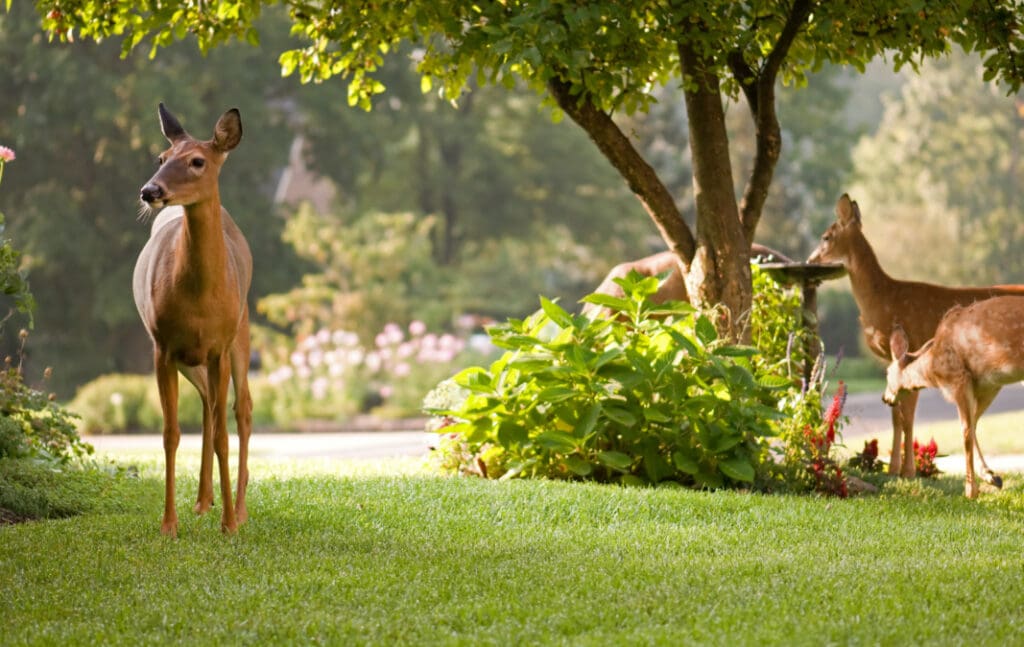
The more deer you see, the more ticks are likely being transported into your yard. Bedding areas, droppings, or browsing patterns indicate tick movement.
Even slightly overgrown grass can provide questing surfaces for ticks waiting for passing hosts.
Dogs and cats pick up ticks outside. Their favorite shady resting locations often become places where ticks congregate.
Tick awareness begins with noticing these habitat clues and understanding their role in tick survival.
Ticks are small, but their presence shows up in larger patterns. Indicators include:
• Finding ticks on pets
• Seeing deer or rodent activity
• Discovering ticks before peak summer season
• Noticing wildlife using the same travel corridors
• Observing shaded, damp vegetation near play areas
These signs suggest your yard may already be part of an active tick environment.
Ticks pose a threat to everyone outdoors, but some groups face more frequent exposure:
They play close to the ground, where ticks quest.

Dogs and outdoor cats frequently move through brush and tall grass.
Kneeling near soil and brushing against plants increases contact likelihood.
Even a tidy lawn can be affected if it borders natural habitat.

Identifying who is most exposed supports better prevention and vigilant checking.
Ticks are active whenever temperatures rise above freezing. They overwinter in soil, leaf litter, and mulch, becoming active as early as late winter.

This means tick awareness must be year-round, not just a summer concern. Learn more about this tick life cycle here.
Some warning signs suggest tick populations are establishing themselves rather than passing through:
• An increase in ticks found on pets
• Ticks brought indoors
• Deer feeding within close proximity to the house
• Ticks appearing early spring or late fall
Recognizing these patterns helps homeowners respond early.
Most homeowners focus on lawns, but ticks tend to concentrate in less obvious places:
• Under decks
• Along stone walls
• Perimeter edges
• Shrub beds
• Fence lines
• Wood piles
• Mulch borders
Taking note of these hidden zones strengthens prevention efforts.

Once you understand where ticks live and how they move, you can take meaningful steps to limit exposure.
• Remove leaf litter
• Trim vegetation back from walkways
• Keep grass low
• Clear downed branches
This reduces tick habitat before problems grow.
• Watch where deer feed or travel
• Look for bedding spots
• Close potential access routes
Reducing wildlife movement directly affects tick introduction.
Stone, gravel, or mulch borders between woods and lawn can reduce tick migration.
Daily tick checks, grooming, and repellents help stop ticks before they move indoors.
Even vigilant cleanup cannot fully control wildlife movement or protect pets. Professional all-natural tick control treatments increase protection by:
• Lowering active tick populations
• Interrupting tick activity zones
• Making landscapes less inviting
ohDEER’s Tick & Mosquito Control service uses natural solutions to help families safely enjoy their yards.
Ask yourself:
• Do pets pick up ticks after outdoor time?
• Do deer or rodents travel through your yard?
• Are there shaded or brushy areas near play spaces?
• Have you found ticks on clothing or skin after being outside?
• Are you treating proactively, not reactively?
If any answer raises concern, tick awareness is already guiding you, now action matters.
Tick awareness is not a seasonal task. It is an ongoing way of observing your property, noticing conditions that support ticks, and applying proactive prevention strategies.
A combination of mindful yard care, observation, awareness of wildlife activity, and natural treatment helps dramatically reduce risk.
Ticks will remain part of our outdoor environments, but with better awareness and prevention, the risk they pose does not need to be. Your landscape can be a place where kids play, pets explore, gardens thrive, and families enjoy outdoor time safely.
Tick awareness empowers homeowners to identify risks before they spread and All-Natural solutions help maintain peace of mind.

To learn more about strengthening tick awareness on your property, contact your local ohDEER for a free assessment and see how natural treatments can help you enjoy more time outside.