

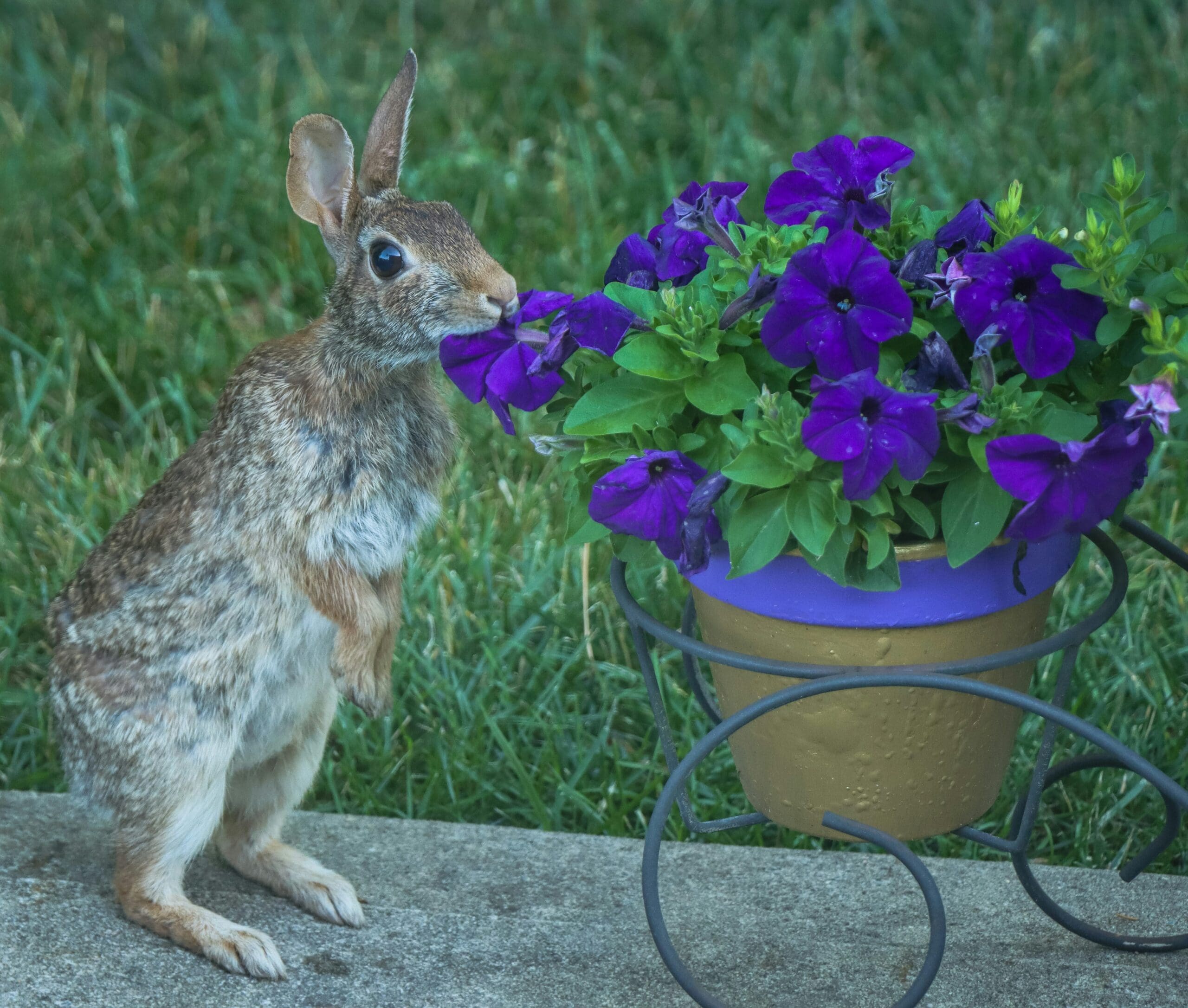
Rabbits may be cute, but when they start treating your yard like an all-you-can-eat buffet, the damage adds up quickly. From clipped flowers and missing seedlings to gnawed bark on young trees, rabbit damage to plants can undo months of landscaping work almost overnight.
Many homeowners are surprised by how destructive rabbits can be. Unlike deer, which often leave obvious signs behind, rabbit feeding damage is more subtle but persistent. Plants may disappear at ground level, buds may vanish overnight, and stems are often clipped cleanly at a sharp angle. Left unaddressed, rabbits can weaken plants, stunt growth, and ruin carefully planned gardens.

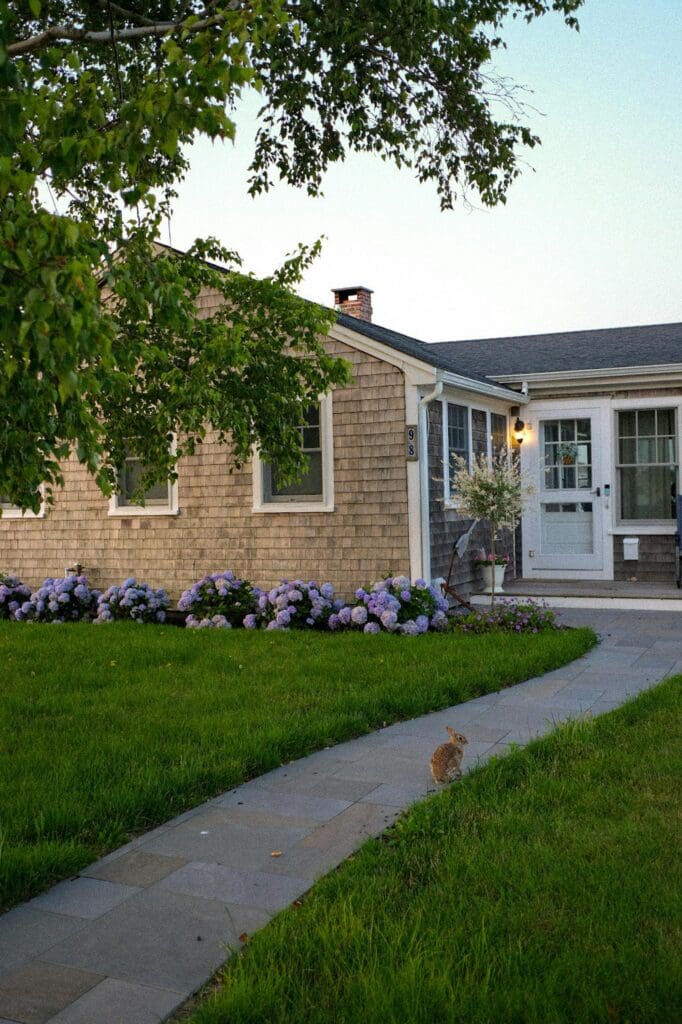
The good news? You don’t need harsh chemicals, poisons, or harmful traps to solve the problem. If you’re wondering how to keep rabbits out of your yard, a combination of natural deterrents, smart landscaping choices, and preventative strategies can make your property far less appealing, while keeping it safe for kids, pets, pollinators, and the environment.
Here’s how to deter rabbits naturally, humanely, and effectively.
Before choosing a solution, it helps to understand why rabbits are visiting your property in the first place. Rabbits are creatures of habit, and once they find a reliable food source, they tend to return unless something changes.
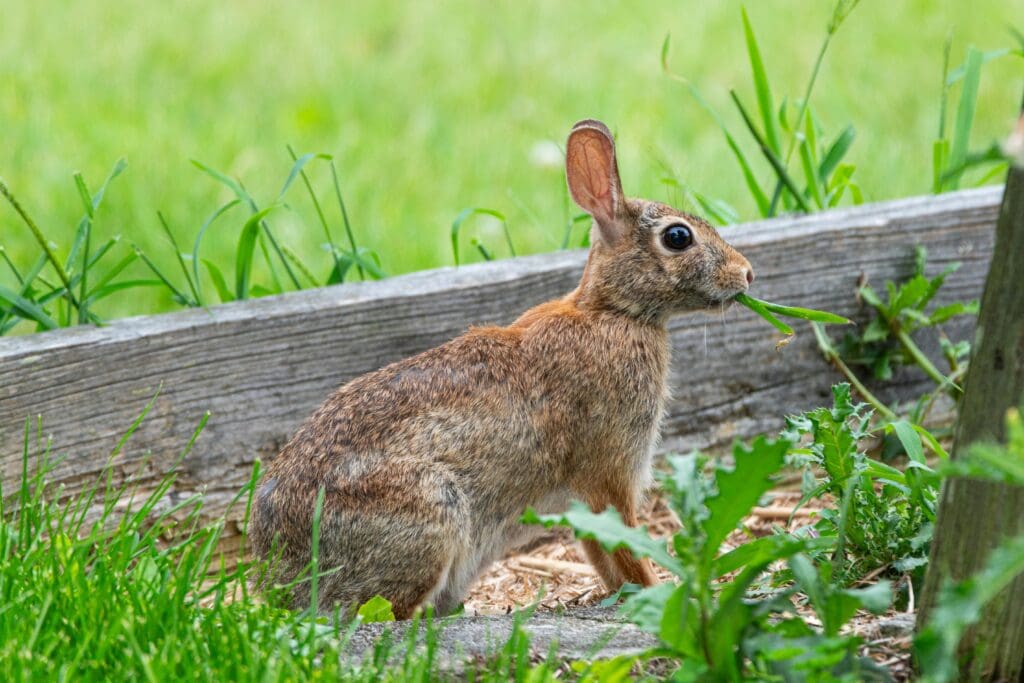
Rabbits are typically looking for three things:
Tender plants, young seedlings, vegetables, and fresh growth are especially appealing. Newly planted gardens are prime targets because plants haven’t yet developed tougher leaves or strong root systems.
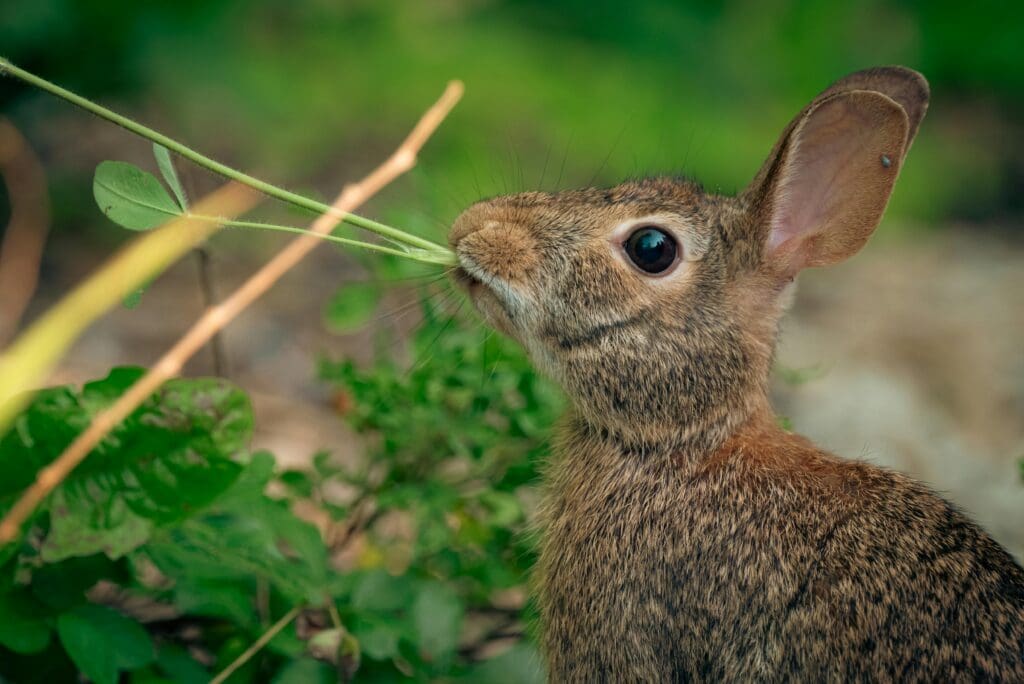
Dense shrubs, tall grass, brush piles, wood stacks, and cluttered edges provide rabbits with quick hiding spots from predators. The closer shelter is to food, the more comfortable rabbits feel feeding there.

Low foot traffic, minimal disturbances, and consistent food sources make a yard feel safe. Once rabbits feel comfortable, they’re likely to establish regular feeding routes.
If your yard offers food, cover, and calm conditions, rabbits are likely to stick around unless you change the environment. Understanding these attractants is the first step in learning how to keep rabbits out of your yard without harming wildlife or using harsh chemicals.
Before you can effectively keep rabbits out, it’s important to confirm that rabbits are actually the cause of the damage you’re seeing. Many wildlife species feed on plants, but rabbit damage has a few distinct characteristics that set it apart.
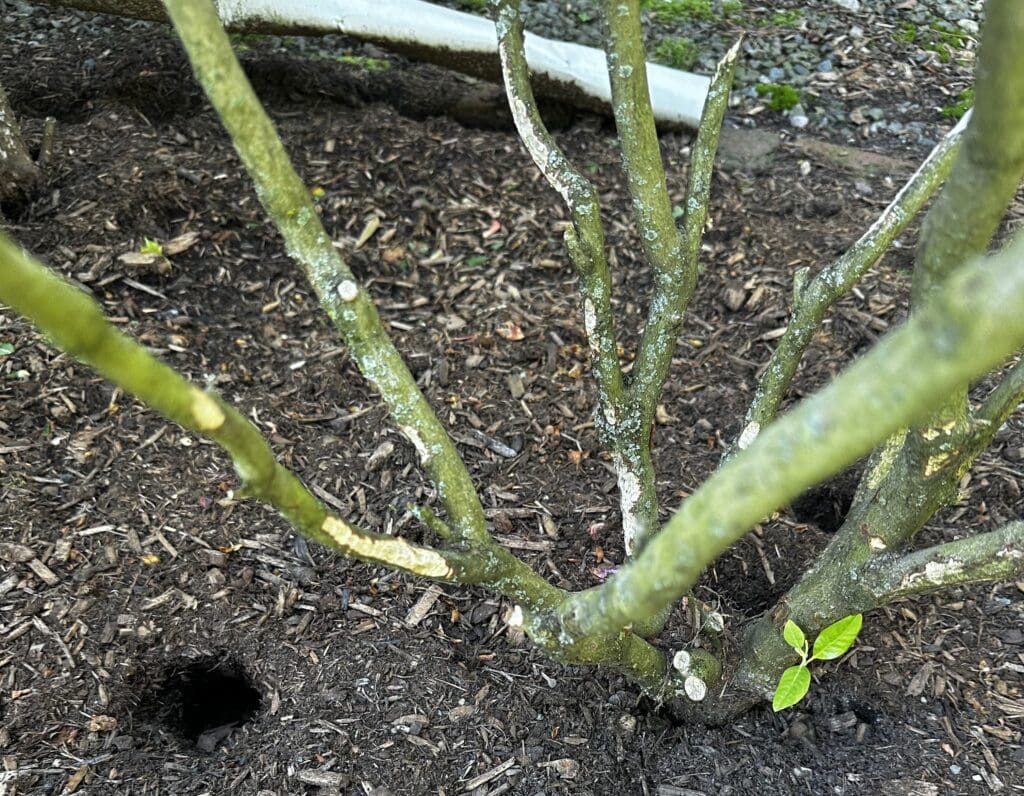
One of the most telling signs of rabbit feeding is cleanly clipped plant stems. Rabbits have sharp front teeth that cut vegetation at a neat, angled line, almost as if the plant was trimmed with garden shears. Damage typically occurs close to the ground, usually within 12 to 18 inches, because rabbits can only reach so high.
If plant stems appear torn, shredded, or uneven, deer or other animals may be responsible instead.
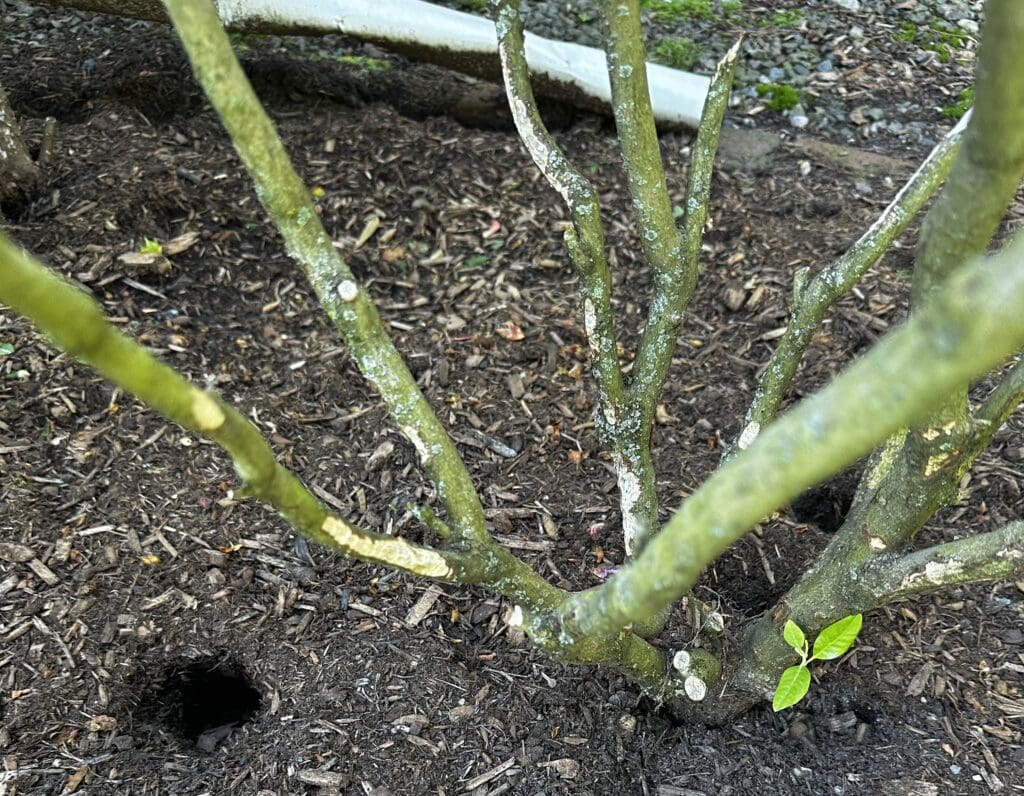

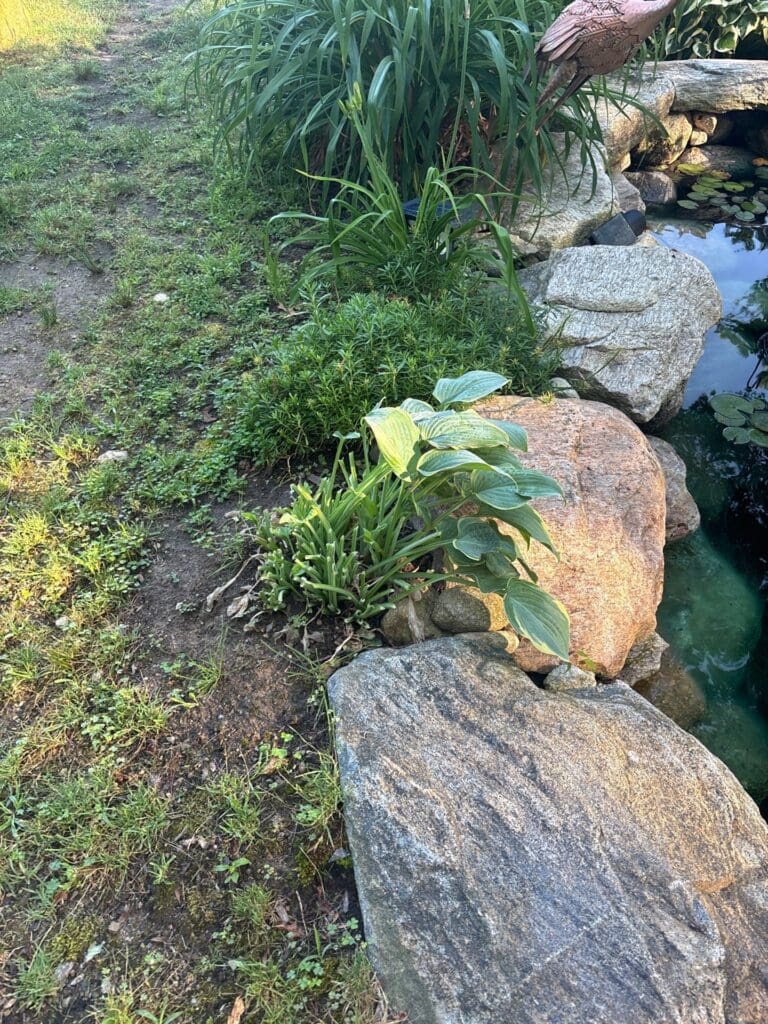
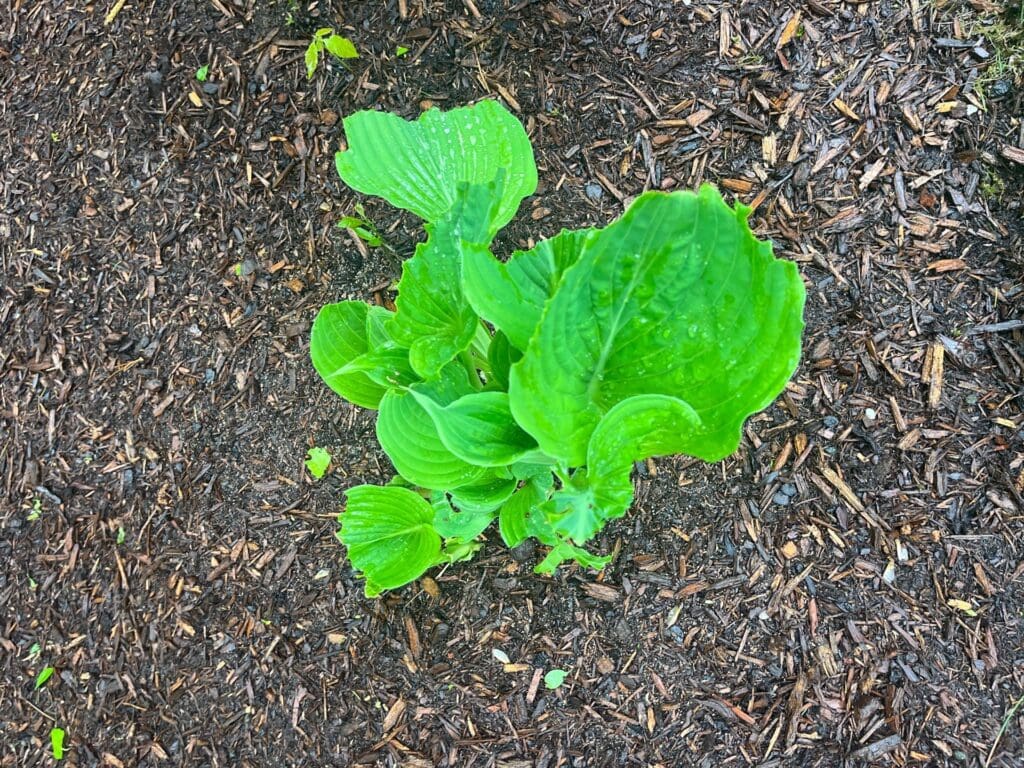
Rabbits are especially attracted to young, tender plants. Seedlings, newly planted flowers, and vegetable starts may disappear overnight or be reduced to short stubs. Unlike animals that dig for roots, rabbits feed on what’s above ground, leaving soil mostly undisturbed. Commonly affected plants include lettuce, beans, peas, tulips, pansies, and other soft-leaf plants.
Rabbit droppings are another strong indicator. They appear as small, round pellets, roughly pea-sized, and are often scattered near damaged plants or along feeding paths. Finding these pellets near clipped vegetation is a strong sign that rabbits are visiting regularly.
During fall and winter, when fresh vegetation is scarce, rabbits often turn to woody plants. They may gnaw bark off young trees and shrubs, typically close to ground level. This damage can appear as rough, chewed patches or stripped bark around the trunk.
If bark damage is higher up or appears torn rather than chewed, deer may be the cause instead.
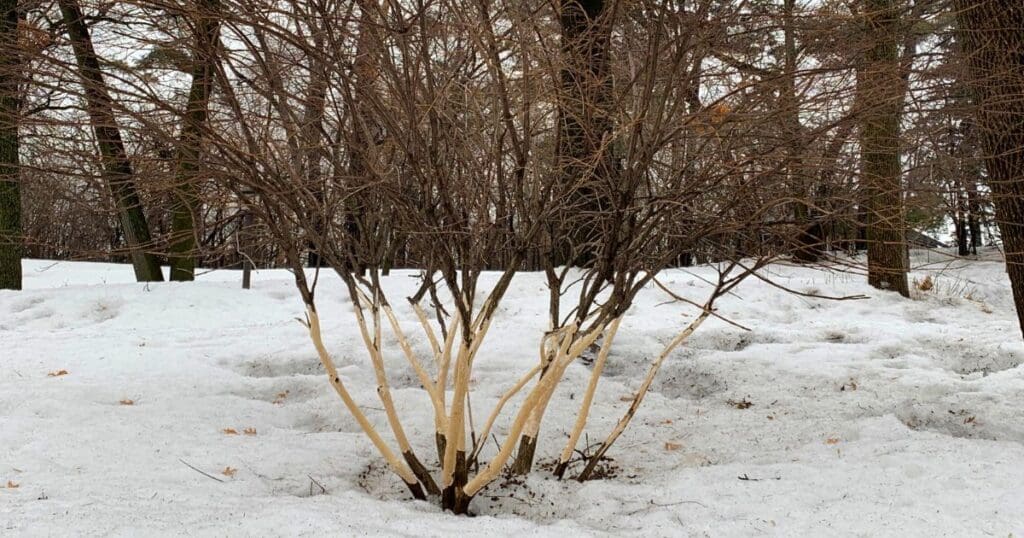
Rabbits feed without uprooting plants. If leaves are missing, stems are clipped, and bark is chewed, but the soil remains intact, rabbits are a likely culprit. This helps distinguish rabbit damage from animals like voles or groundhogs that disturb roots and soil.
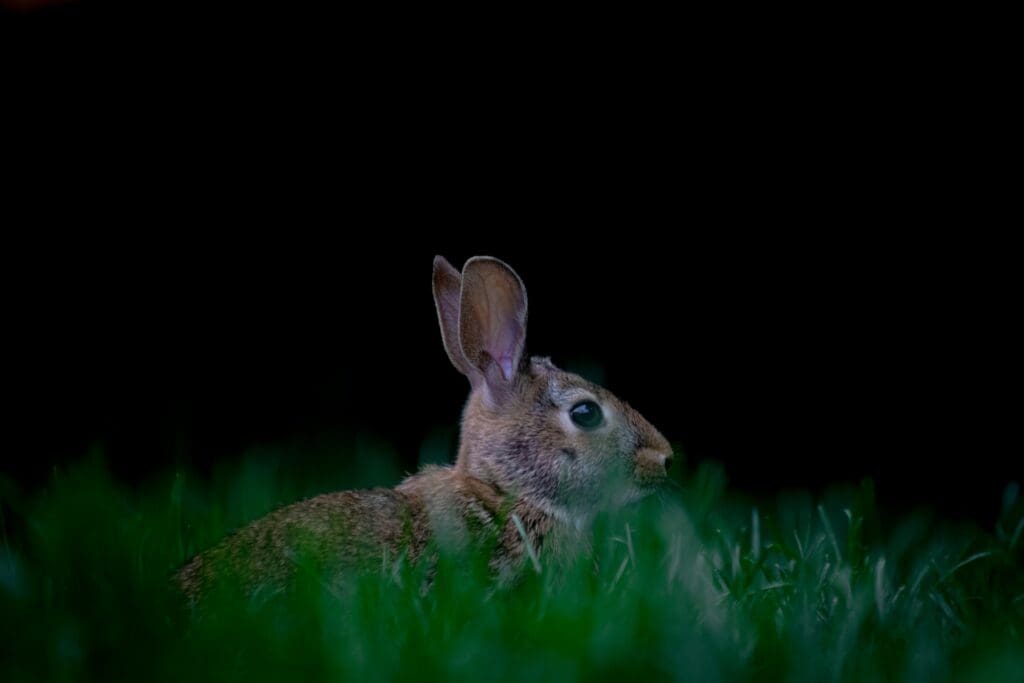
Rabbits are most active in the early morning and evening hours. While you may not always see them, noticing damage that appears overnight or spotting rabbits during low-light hours further confirms their presence.
Correctly identifying rabbit damage helps you choose the right prevention strategy. Solutions that work for deer, voles, or groundhogs may not be effective against rabbits. Once you’re confident rabbits are responsible, you can focus on deterrents that specifically target their feeding habits and behavior.
If you are research how to keep rabbits out of your yard, the most effective approach combines habitat changes, plant protection, and natural deterrents.
Physical barriers are one of the most reliable ways to keep rabbits out of your garden, especially when protecting vegetables, flowers, and young plants. Rabbits are excellent nibblers but poor climbers and only limited diggers.
When installed correctly, barriers completely block access to plants, removing the reward and discouraging repeat visits.
Chicken wire or hardware cloth fencing

Plant cages
Tree trunk guards
Pro tip: Snow can increase a rabbit’s reach in winter. Packed snow allows rabbits to access branches that are normally out of reach, so winter protection should always account for changing ground levels.
A rabbit repellent for your yard works by making plants smell or taste unpleasant to rabbits. These products don’t harm animals, they simply encourage them to move on.
These ingredients take advantage of a rabbit’s sensitive sense of smell and taste.
Natural rabbit repellents:
Repellents alone rarely solve long-term issues, but they are an important part of humane rabbit control when used as part of a layered strategy.
If you want to prevent rabbits from eating plants, start by protecting the ones they prefer most. Rabbits are especially drawn to soft, tender, and newly planted growth.


Once rabbits learn a plant is edible, they’re far more likely to return to it repeatedly.
While no plant is completely rabbit-proof, some are far less appealing due to strong scents, bitter flavors, or tough textures.
Plants rabbits tend to avoid include:


Using these as borders or buffer zones can help reduce browsing pressure and support long-term rabbit deterrent for yard strategies.
Rabbits rely on cover to feel safe. Removing shelter makes your yard far less attractive.
Ways to reduce hiding spots:


When rabbits feel exposed, they’re more likely to move on.
One of the biggest mistakes homeowners make is relying on just one solution. Rabbits are adaptable and may ignore deterrents that never change.
A more effective approach:
Layering multiple natural rabbit deterrents keeps rabbits uncomfortable and unsure, reducing long-term damage.
Rabbits form habits quickly, especially in spring and early summer.
Why early action matters:
Stopping rabbits before damage starts is far easier than trying to reverse the problem later.
Some methods may seem convenient but can cause more harm than good. Avoid:
Safe, natural methods are the foundation of effective, humane and safe rabbit control.
Rabbit damage often overlaps with deer feeding. Both animals:
Looking at the landscape as a whole helps reduce damage from multiple species.
Knowing how to keep rabbits out of your yard allows you to protect your landscaping while still choosing humane, environmentally responsible solutions. By making thoughtful, natural changes, you can protect your garden without harming wildlife or compromising the safety of your family and pets.
If you’re dealing with rabbit damage:
A balanced, eco-friendly approach makes it possible to keep rabbits out of your yard, and enjoy more time outside without sharing your garden.