


If you’ve ever spotted a long-eared animal darting across your lawn at dusk, you’ve probably called it a rabbit. That’s a safe guess most of the time, but not always. Some animals we casually lump together as “bunnies” are actually hares.
Understanding the differences of rabbits vs hares is more than a trivia question. It can help homeowners correctly identify wildlife, understand yard damage, and choose humane, effective prevention strategies.
Although they’re closely related, rabbits and hares are not the same animal. The difference between rabbits and hares shows up in their size, behavior, habitat, and even how they raise their young. Those differences matter when you’re trying to protect gardens, landscaping, and pets.
Rabbits and hares both belong to the same family (Leporidae), but they are different species with distinct traits. If you’ve ever asked, are rabbits and hares the same? the answer is no. At a high level, rabbit vs hare differences fall into four main categories: size, shelter, babies, and behavior.
Rabbits are generally smaller and more compact. They rely on cover and burrows.


Hares are larger, longer-legged, and built for speed. They rely on camouflage and running in open spaces.


Another subtle but important difference comes down to seasonal behavior and activity patterns. Rabbits tend to stay close to reliable food sources and shelter year-round, which is why they often become repeat visitors in the same yard.
Hares, on the other hand, typically cover larger territories and may move through an area more unpredictably. For homeowners, this means rabbit damage often appears consistent and concentrated in landscaping beds, while hare activity, when it does occur, may look more sporadic and spread out. Understanding these movement patterns can help you determine whether you’re dealing with a long-term resident or a temporary passerby.
Homeowners often want quick clues for wildlife damage identification. Here’s what to watch for.
One of the easiest differences to spot is size. Rabbits vs hares size difference is noticeable once you know what to look for. Hares tend to look taller and leaner, with longer ears and powerful hind legs.


Despite the name, a jackrabbit is actually a hare. Jackrabbits are known for their long ears, long legs, and preference for open-field wildlife environments rather than dense suburban cover.

This is one of the biggest distinctions for homeowners.
Rabbits often live in rabbit burrows or use underground shelter near shrubs, decks, or sheds. If you’re seeing holes, tunnels, or hidden paths near garden beds, rabbits are far more likely than hares.

Hares do not burrow; they rest in shallow ground depressions called hare forms.
When it comes to baby animals, the distinction is crystal clear. Rabbit vs hare babies differ dramatically at birth. Rabbit babies are born hairless, blind, and helpless. Hare babies are born furred, eyes open, and ready to move
This difference explains why rabbits need protected nests underground, while hares can raise young above ground in open spaces.
Understanding rabbit vs hare behavior can help with garden pest identification.
Rabbits rely on hiding and quick dashes into cover. Hares rely on speed and endurance in open areas.


If an animal freezes near shrubs and disappears into landscaping, it’s likely a rabbit. If it bolts across an open lawn for a long stretch, it’s more likely a hare.
From a practical standpoint, homeowners usually care most about damage.
In most suburban areas, rabbits cause more consistent problems. Rabbits vs hares in yard damage differs mainly in location and frequency.
Common signs of rabbit damage to yard areas include:

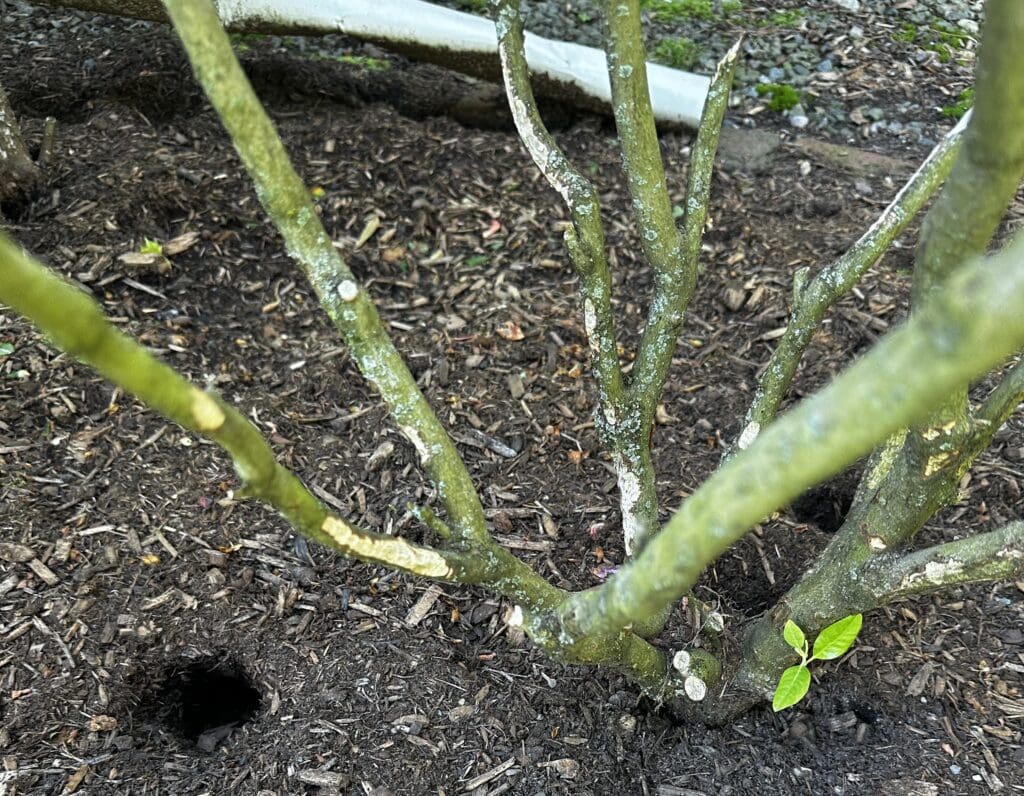
Hare damage to plants can look similar, but hares are less common in dense suburban settings and more often pass through open edges or rural properties.
Both animals leave clean, angled cuts when feeding, unlike deer, which tend to tear vegetation.
While rabbits and hares are usually harmless, wildlife disease awareness is important. Both can carry tularemia, sometimes called rabbit fever or tularemia rabbit disease. This illness can affect pets and people and may be transmitted through direct contact or via ticks and biting insects.
Smart safety habits include:
Whether you’re dealing with rabbits, hares, or both, prevention works best when it’s humane and consistent.
Physical barriers are one of the most reliable rabbit prevention strategies. Short fencing with small openings can be highly effective, especially when secured at ground level.
Reducing hiding spots helps discourage rabbits:
Some homeowners use scent or taste repellents. Results vary, but they can support a layered approach when combined with fencing and plant protection.
These methods support humane wildlife control and wildlife-friendly yard solutions without relying on harsh chemicals.
Rabbits and hares may look alike, but their differences are real and meaningful. Understanding rabbits vs hares helps homeowners correctly identify wildlife, understand feeding patterns, and protect yards more effectively.
Remember these key takeaways:
It’s also worth noting that in many suburban neighborhoods across the Northeast and Midwest, homeowners are almost always seeing rabbits, not hares. True hares tend to prefer wide, open landscapes like fields, prairies, and rural edges rather than densely landscaped residential properties. That means if you’re noticing clipped seedlings in your garden beds, bark chewing near shrubs, or small pathways under hedges, a rabbit is the most likely culprit. Correct identification helps ensure you’re choosing prevention strategies that match the animal’s actual habits and habitat.
Knowing what you’re dealing with is the first step toward protecting your landscape in a smart, humane way.