


If you’ve stepped outside and thought, “Something is definitely eating my plants,” you’re probably right. One of the most common (and sneakiest) culprits is the rabbit.
Rabbits are quiet, fast, and most active at dawn and dusk, which means you may never see them in action. Instead, homeowners usually notice the signs rabbits are eating their yard long before they ever spot the animal itself.
Learning how to identify rabbit damage early can help you protect your plants, avoid repeated frustration, and take the right steps before damage becomes severe. Below are the most common and reliable signs that rabbits are feeding in your yard and what those signs mean for your landscape.
What it looks like:
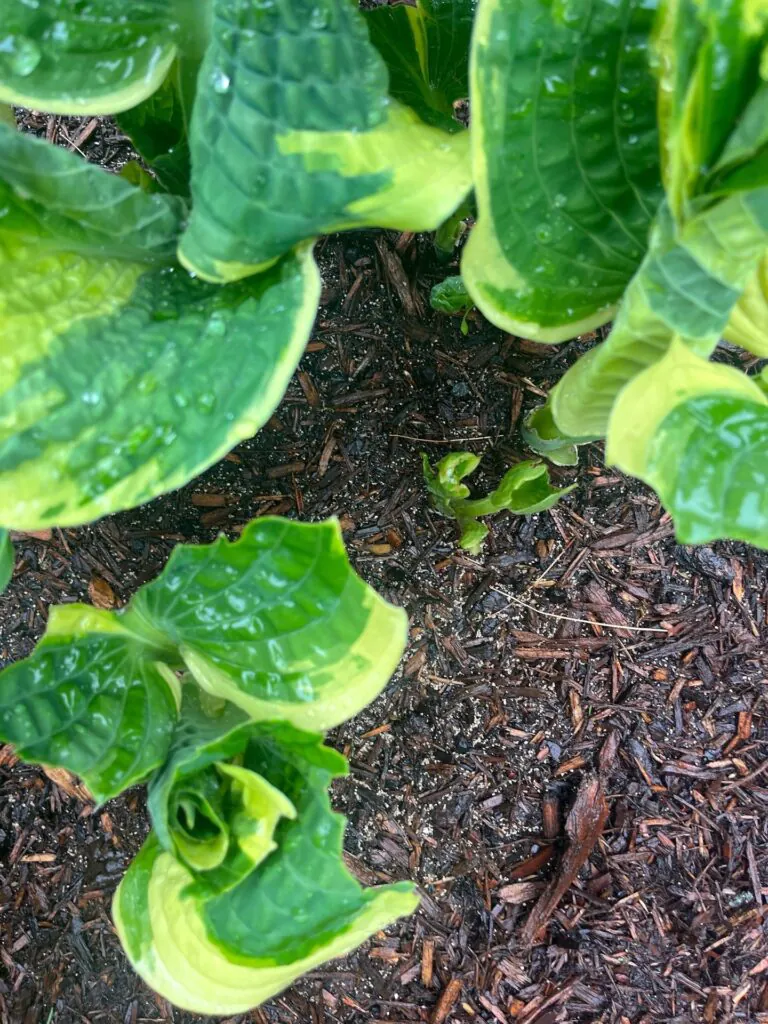
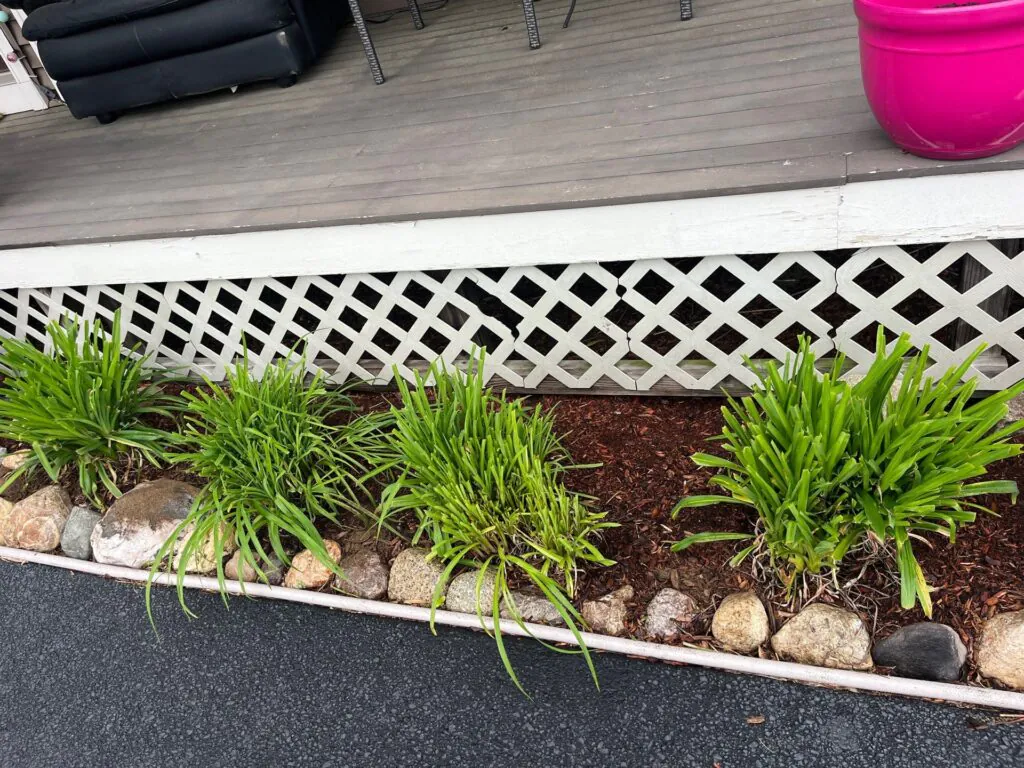
One of the clearest signs rabbits are eating your yard is the way plants are cut. Rabbits have sharp front teeth that clip stems cleanly, often at a slight angle. The cuts look neat, almost as if someone used garden shears. Damage usually appears close to the ground, typically within 12 to 18 inches of the soil.

Why this matters:
This type of damage helps distinguish rabbits from deer. Deer tear and shred plants because of how their teeth meet, while rabbit feeding leaves smooth, precise cuts.
Common clues to look for:
If your plants look “too neatly trimmed,” rabbits are a strong possibility.
What it looks like:
Rabbit droppings appear as small, round pellets about the size of peas. They’re typically brown or tan and may be scattered or grouped together near feeding areas.
Why this matters:
Pellets are one of the most unmistakable signs rabbits are eating your yard. They differ from deer droppings, which are larger and more elongated, and from rodent droppings, which are much smaller and pointed.
Where to check:
Finding pellets near clipped plants strongly points to rabbit activity.
What it looks like:
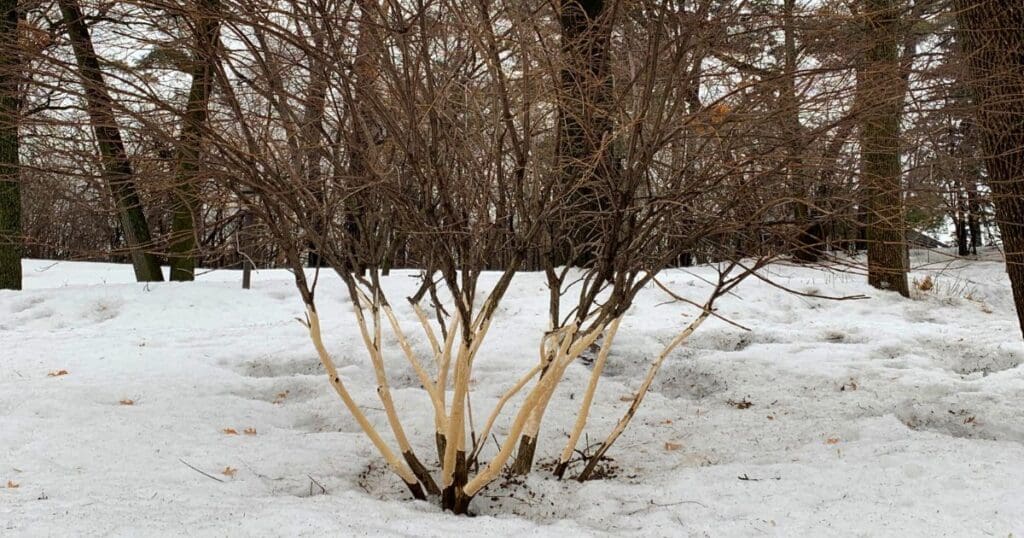
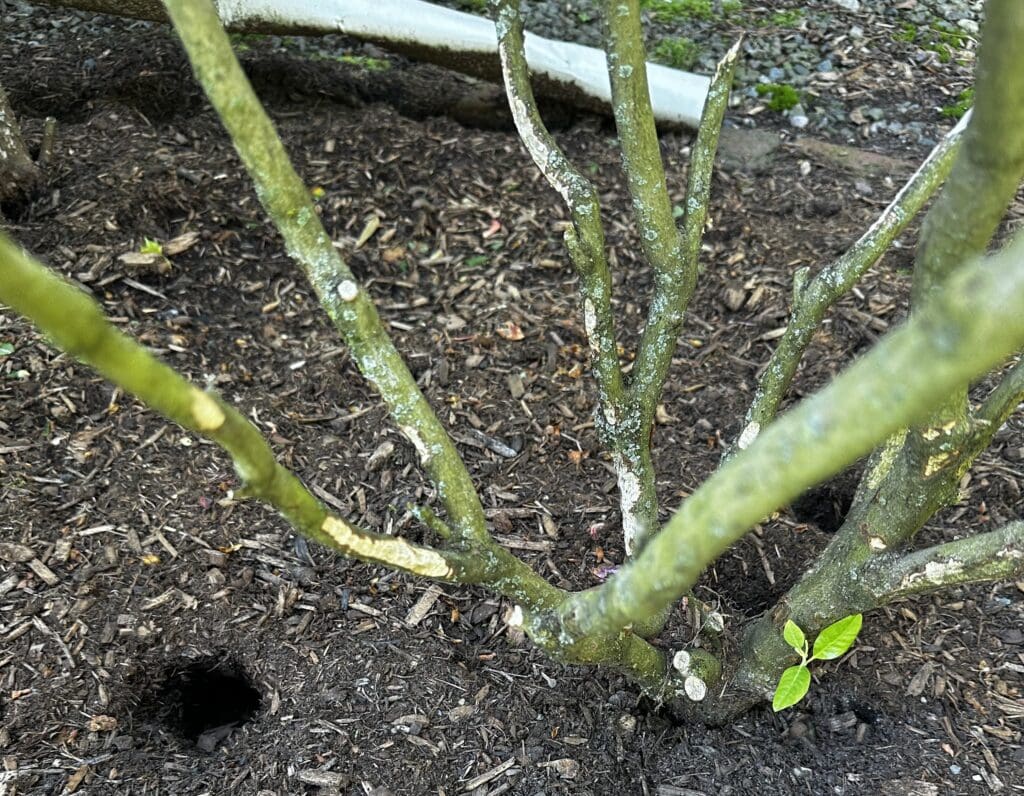
When fresh greens are scarce, rabbits turn to woody plants. They gnaw bark, buds, and twigs on young trees and shrubs, usually a few inches to a foot above the ground. The bark may look stripped, chewed, or uneven.
Why this matters:
Rabbit bark damage stays low on the trunk, while deer damage typically occurs higher up. Heavy gnawing can girdle young trees, cutting off nutrient flow and potentially killing the plant.
Signs to watch for:
What it looks like:
You plant seedlings one day, and the next morning they’re gone or reduced to tiny nubs. This is one of the most frustrating signs rabbits are eating your yard. Rabbits strongly prefer young, tender growth and often target it first.
Why this matters:
Rabbits feed quickly and can wipe out entire rows of seedlings overnight. Repeated damage can delay or completely derail garden plans.
Plants rabbits commonly target:
What it looks like:
Rabbits may create shallow depressions, small hiding spots under shrubs, or narrow paths through tall grass. In mud or snow, tracks often show two larger hind feet ahead of two smaller front feet.

Why this matters:
Burrows and tracks alone aren’t always obvious, but when combined with clipped plants and droppings, they help confirm rabbit movement and feeding patterns.
What it looks like:
Plants are chewed or clipped, but the soil around them remains undisturbed. Roots are intact, and bulbs haven’t been dug up.
Why this matters:
This is another key way to identify the signs rabbits are eating your yard versus damage from other animals. Rabbits eat above-ground growth and typically don’t dig or uproot plants. Correct identification matters because different animals require different prevention strategies.
What it looks like:
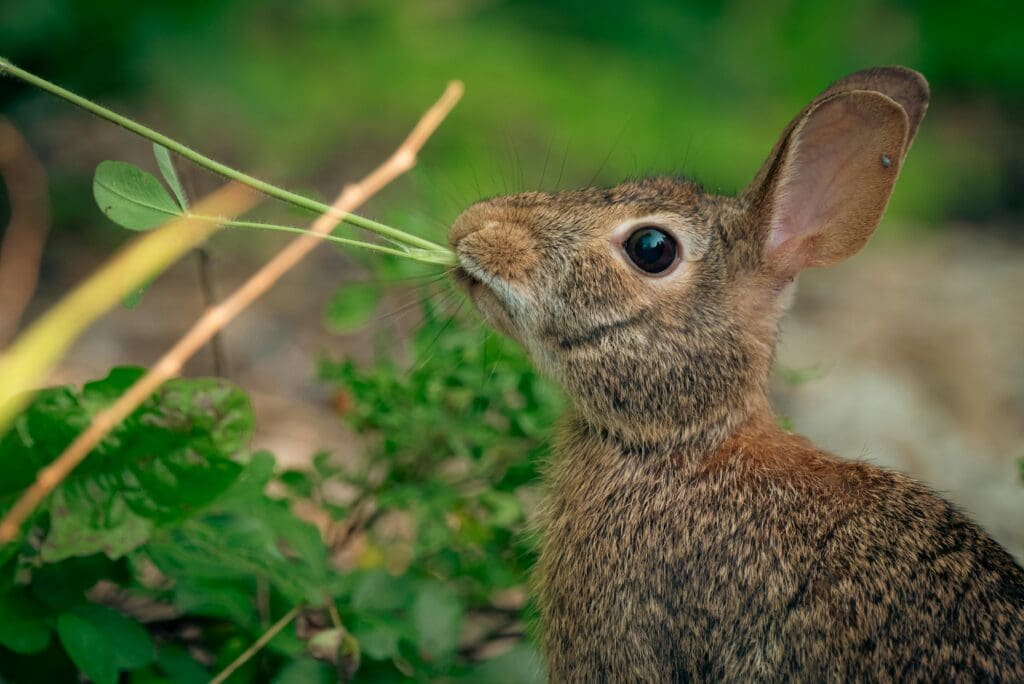
You spot a rabbit hopping through your yard early in the morning or just before sunset, often near damaged areas.
Why this matters:
Direct sightings confirm what the damage already suggests. Rabbits are creatures of habit, so repeated sightings usually mean repeated feeding in the same areas.
Rabbits may look harmless, but their feeding habits can:
Recognizing the signs rabbits are eating your yard early allows you to act before damage spreads or becomes costly to repair.
Once you’ve confirmed rabbit activity, here are practical steps to protect your landscape:
A few nibbled leaves may not seem like a big deal, but rabbit feeding adds up quickly. Learning the signs rabbits are eating your yard gives you the upper hand in protecting your plants and maintaining a healthy landscape.
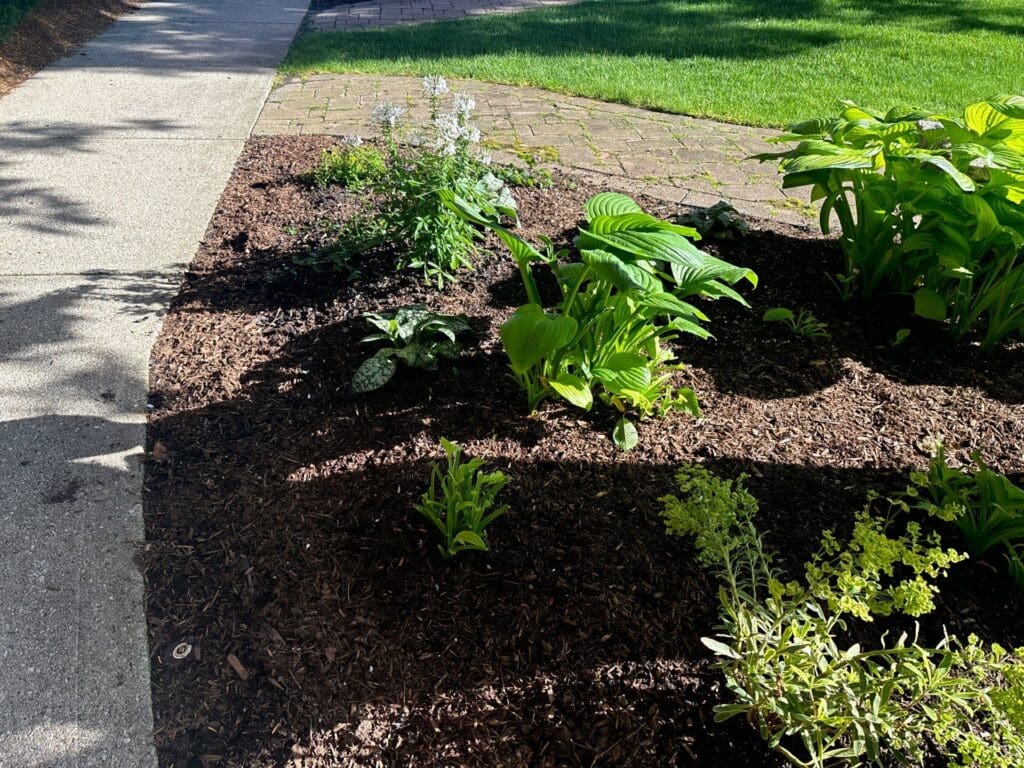
If you’re noticing clean cuts, pellets, gnawed bark, or missing plants, rabbits are likely treating your yard like a buffet. With early identification and thoughtful prevention, you can keep your outdoor space thriving and enjoyable all season long.
The most common signs rabbits are eating your yard include clean, angled cuts on plant stems, small round droppings near plants, missing seedlings, gnawed bark on young trees, and nibbled plants without soil disturbance. Damage typically appears close to the ground and often happens overnight.
Rabbit damage looks neat and precise. Stems appear clipped cleanly, often at an angle, as if cut with scissors. Deer damage usually looks torn or ragged because deer lack upper front teeth. Rabbits also feed much closer to the ground than deer.
Yes. Rabbits often eat plants down to just a few inches above the soil, especially seedlings, annual flowers, and vegetable plants. This low-level feeding is one of the strongest signs rabbits are eating your yard.
Rabbits prefer tender, young growth. Common targets include lettuce, peas, beans, tulips, hostas, petunias, marigolds, and newly planted shrubs or herbs. While some plants are less appealing, no plant is completely rabbit-proof.
Rabbits typically do not dig up plants or disturb soil. They feed on what is already above ground. If roots are disturbed or bulbs are missing, other animals like voles or groundhogs may be responsible.
Rabbits are most active at dawn and dusk. Because of this, homeowners often notice new damage in the morning without ever seeing the animal responsible. Repeated damage usually means rabbits are returning to the same feeding areas.
Yes. Repeated feeding can stunt plant growth or kill seedlings entirely. In winter, rabbits may gnaw bark on young trees and shrubs. If bark is stripped all the way around the trunk, the plant can be permanently damaged or die.
Rabbits can cause noticeable damage in a single night, especially to vegetable gardens and flower beds. Entire rows of seedlings or newly planted flowers can disappear within hours.
Once you confirm rabbit activity, consider installing physical barriers like fencing, protecting young trees with trunk guards, reducing shelter areas, and using natural repellents. Early action helps prevent repeated damage and long-term plant loss.
Yes. Rabbits are creatures of habit. If food and shelter remain available, they are likely to return regularly. That’s why addressing the problem early is key once you spot the signs rabbits are eating your yard.