


If you’ve ever walked outside in late April and thought, “Did something mow my tulips overnight?” … you’re not imagining it.
One of the most common homeowner questions we hear is: What do whitetail deer eat in spring? The short answer: almost everything tender, green, and newly growing.
Spring marks the beginning of peak feeding season for whitetail deer. As new growth appears, deer shift into high gear. Tender shoots, fresh leaves, buds, wildflowers, vegetable plants, and early fruits quickly become part of their daily diet.


Understanding what whitetail deer eat in spring helps explain why landscape damage often spikes between April and September, and what you can do about it.
Below is a science-backed look at what whitetail deer eat in spring and summer, why they target certain plants, and what it means for your yard.
Wildlife biologists group deer foods into a few main categories. In spring, these categories shift toward highly digestible, nutrient-rich growth.
Leaves, buds, twigs, and new shoots from shrubs and young trees.


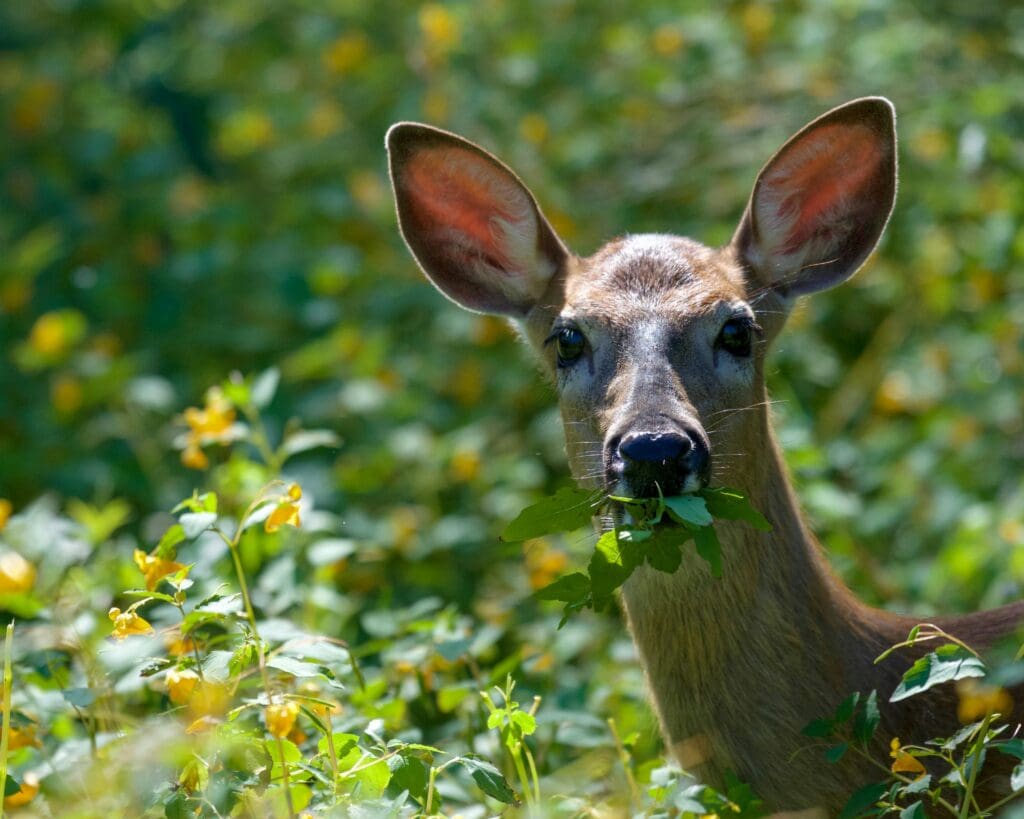
Broadleaf herbaceous plants like wildflowers, weeds, and perennials.

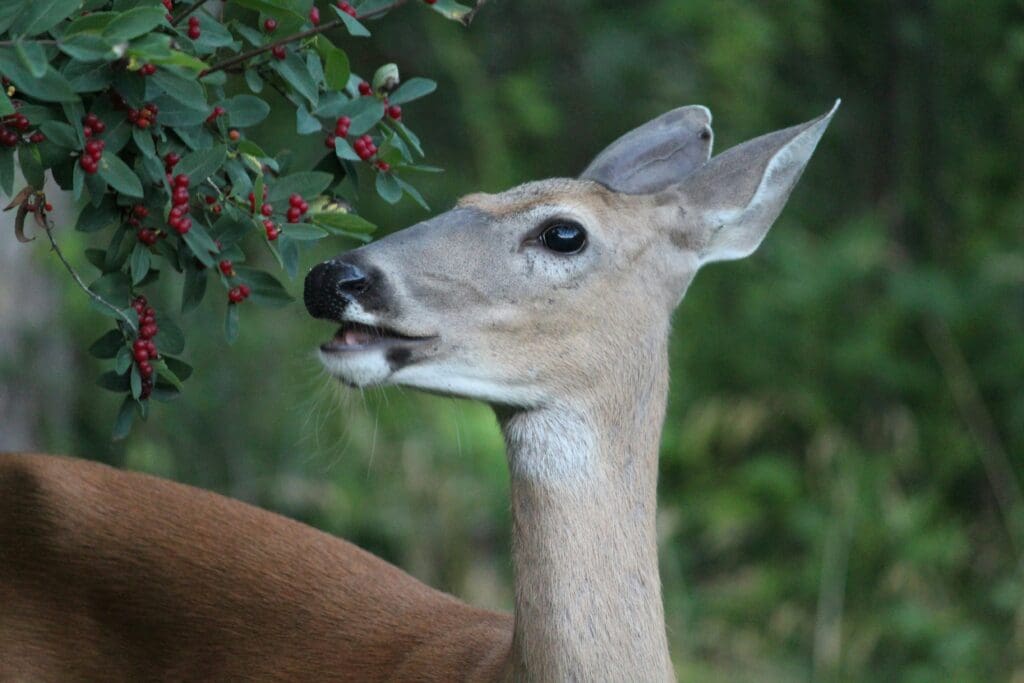
Berries and fleshy fruits (more common as summer progresses).

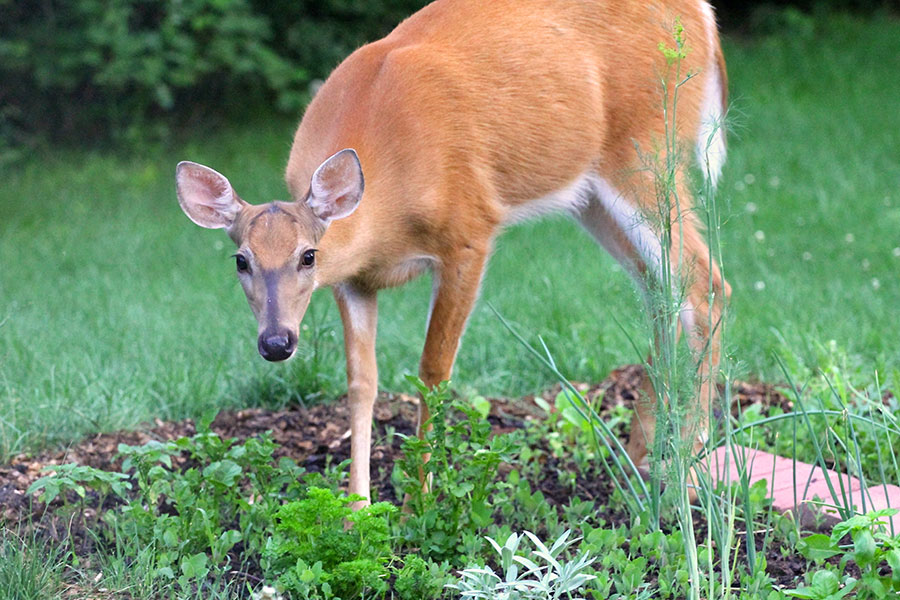
Vegetables and cultivated plants, which deer readily use when available.

Important note: Whitetail deer are not true grazers like cows. Their digestive system is designed for nutrient-dense browse and forbs, especially during the growing season.
To understand what whitetail deer eat in spring, it helps to understand why they eat so aggressively this time of year.
Spring and early summer align with major biological demands:
That is why deer damage often feels sudden and severe in April and May. Your landscape is producing soft, nutrient-rich growth at the exact moment deer need it most.
In early spring, shrubs and trees push out new growth. Deer target:


What it looks like in your yard:
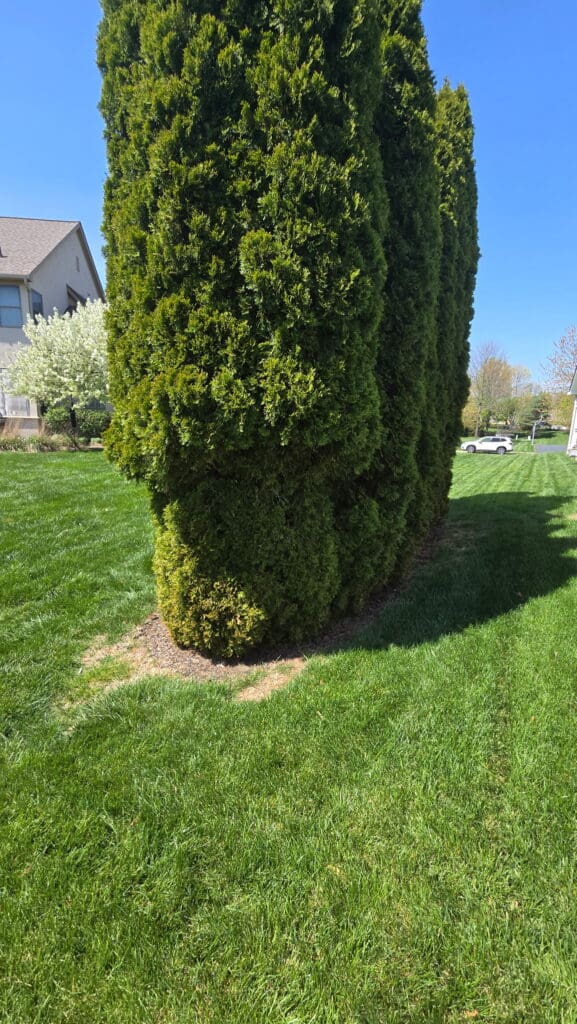
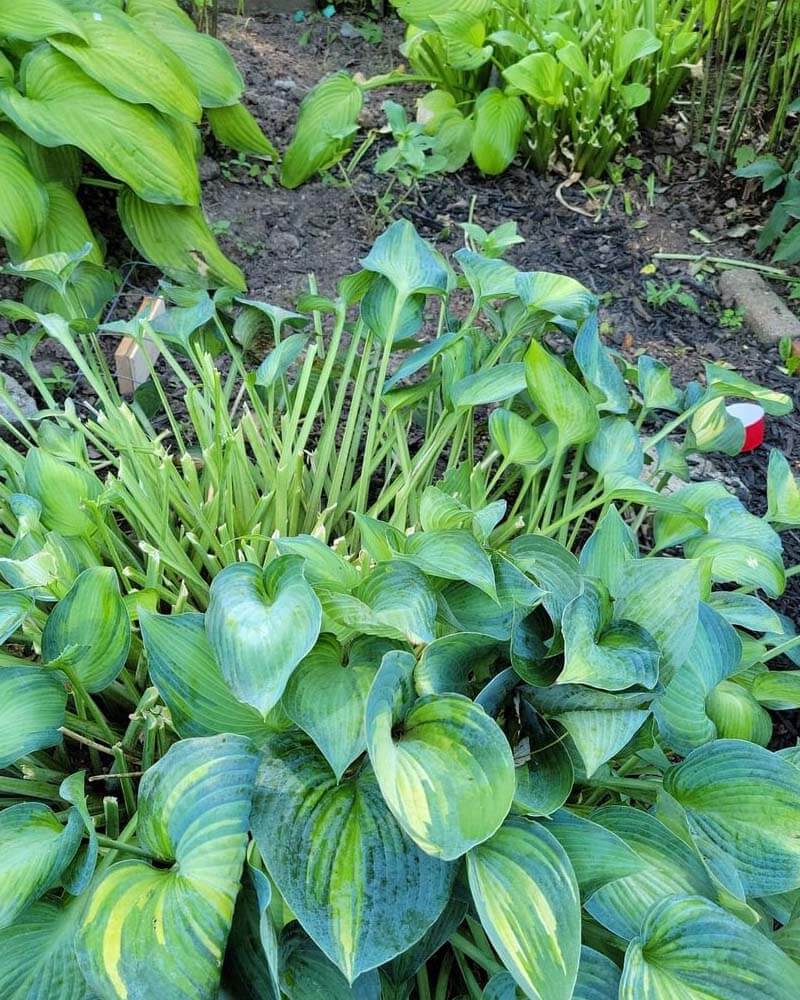

New growth is especially attractive because it’s high in protein and easy to digest.
Forbs are often the most nutrient-rich natural food source in spring.
Deer will eat:


This is why your favorite flowers often disappear overnight. To deer, they are high-quality spring nutrition.
As soon as vegetable gardens begin producing tender growth, deer notice.
Common spring targets:
Because deer readily use cultivated crops when available, home gardens often become reliable feeding spots.
By early summer, the deer menu expands. Across their range, deer diets are dominated by browse, forbs, and mast. They constantly shift their feeding based on what is most tender and available.
Shrubs and herbaceous plants remain staples. If deer seem unpredictable, it’s because they are sampling constantly, choosing whatever is most digestible and nutritious at the moment.
As summer progresses, deer shift part of their diet toward soft mast.
They commonly eat:
Berries are energy-rich and highly palatable, making them prime summer targets.
Gardens become especially attractive because they are:

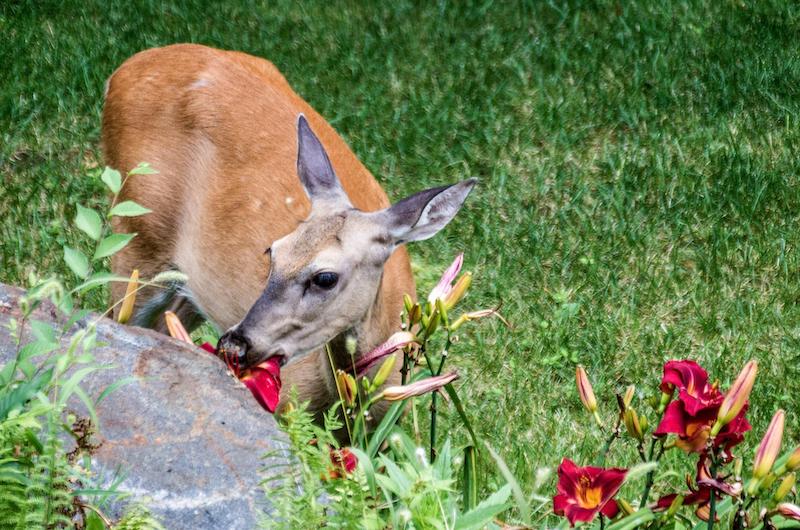
Common summer favorites include:
Even plants labeled “deer resistant” may be eaten under pressure.
Many homeowners assume deer damage slows by late summer. Sometimes it does, but often it does not.
Reasons deer keep feeding heavily:


Irrigated landscape plants often remain more tender than wild vegetation, making your yard especially appealing. So if you’re wondering what whitetail deer eat in spring and summer, the reality is: they keep eating throughout the entire growing season.
You’ll see many “deer-proof plant lists” online. The truth: Deer-resistant does not mean deer-proof.
Deer are adaptable. Their diet shifts based on:


If food is limited or competition is high, deer will eat plants they typically avoid. That’s why relying on a single “magic plant” rarely works long-term.
If your yard feels like a buffet, protection works best when it matches how deer actually feed.
Spring browsing hits tender tissue first. Begin deterrence before full leaf-out.
Physical barriers are the most reliable option for:
Deer revisit low-risk feeding spots. Travel corridors near tree lines are common hotspots.
Repellents work best when:
At ohDEER, we educate homeowners on what whitetail deer eat in spring because understanding deer behavior is the first step to protecting your landscape.
From April through September, deer pressure increases because nature is producing exactly what deer prefer:
If deer are browsing your shrubs, ornamentals, or garden plants, our All-Natural Deer Control solutions are designed to make treated plants smell and taste unpalatable to deer, without relying on chemical pesticides.
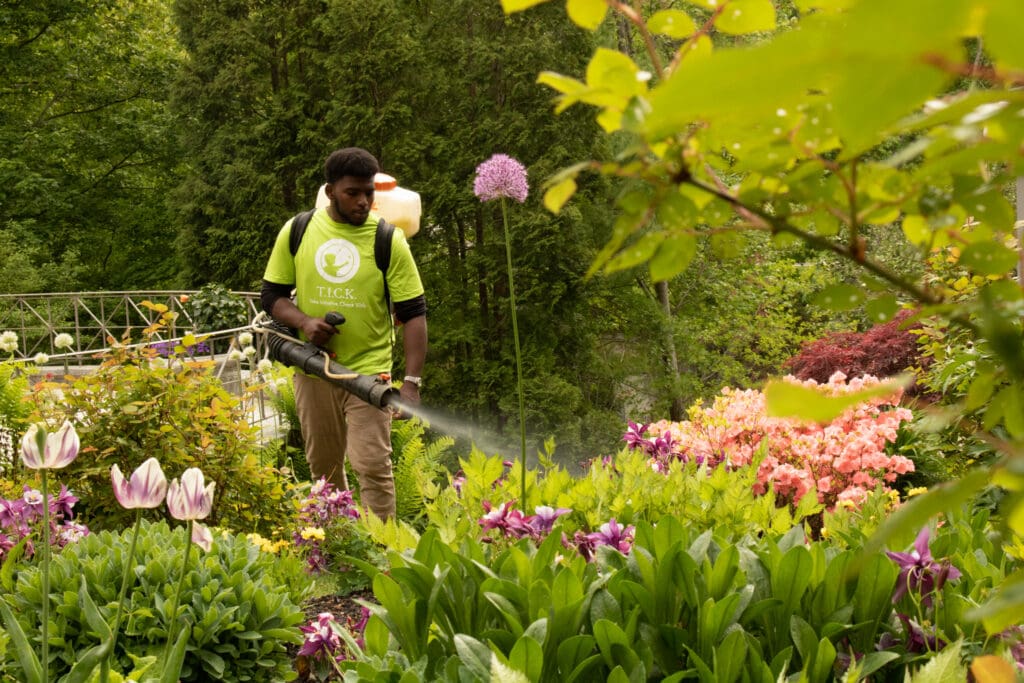
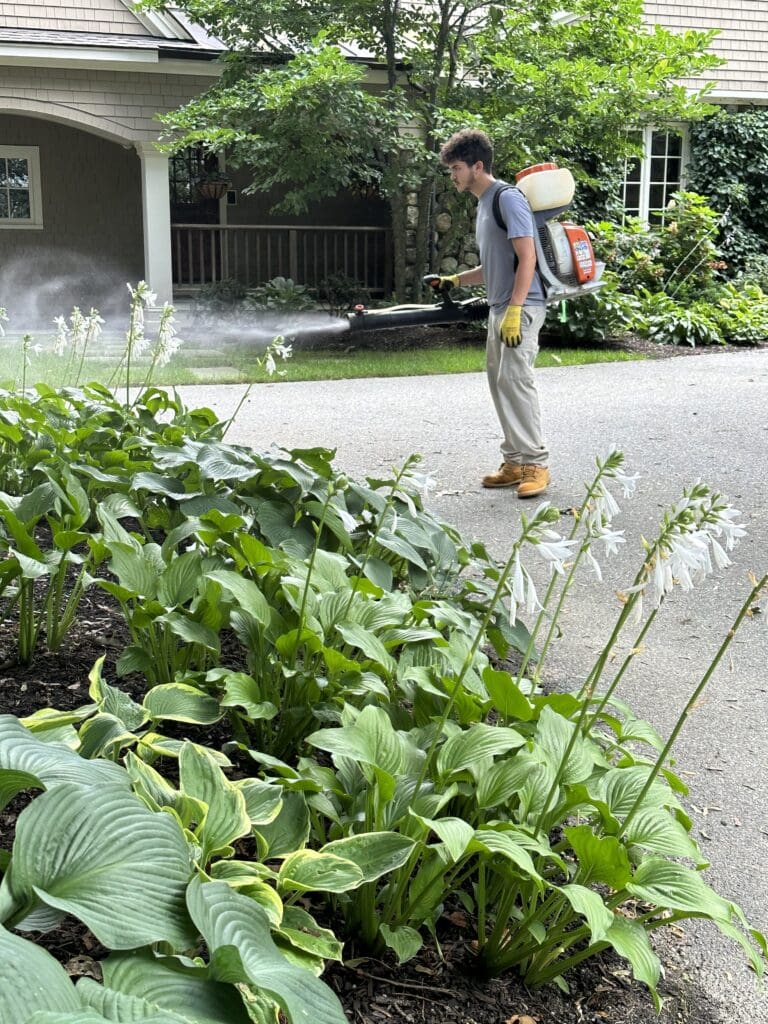
We focus protection where deer actually feed, helping reduce repeated browsing damage.
And if you’re unsure whether deer or rabbits are the culprit, our team can help identify the difference based on bite patterns and plant damage clues.
April–May
June–July
August–September
Whitetail deer diets are flexible and seasonal. What they eat in spring directly reflects their biological needs, and your landscape often provides exactly what they’re looking for.
Primarily tender new growth like fresh leaves, buds, shoots, and broadleaf plants (forbs).
Spring flowers are soft, high-moisture, and nutrient-rich which is ideal for deer recovering from winter and supporting pregnancy or antler growth.
Yes. Gardens are highly attractive because they are irrigated, fertilized, and concentrated in one area.
Yes. Berries such as blackberries, raspberries, and blueberries become important summer food sources.
Occasionally, but deer are not true grazers. They prefer browse, forbs, and fruits.
Natural vegetation becomes less digestible, so deer may rely more heavily on irrigated landscape plants.
Some plants are less preferred, but no plant is completely deer-proof.