


Nothing ruins a relaxing evening outside faster than mosquitoes swarming around your patio, deck, or backyard. If you are constantly swatting mosquitoes while grilling, gardening, or letting the kids play outside, the issue may not actually be the adult mosquitoes you see flying around. The real problem is usually hidden somewhere in your yard: mosquito breeding grounds.
Understanding how to get rid of mosquito breeding grounds is one of the most effective ways to reduce mosquito populations around your home naturally and long-term. Instead of relying only on temporary sprays or reacting after mosquitoes become overwhelming, homeowners can dramatically reduce mosquito activity by targeting the places mosquitoes lay eggs and develop.
The good news is that many mosquito breeding sites are preventable with consistent yard maintenance and smart mosquito prevention habits.
If you want to know how to stop mosquitoes from breeding, it helps to understand the mosquito life cycle first.
Mosquitoes go through four stages of development:
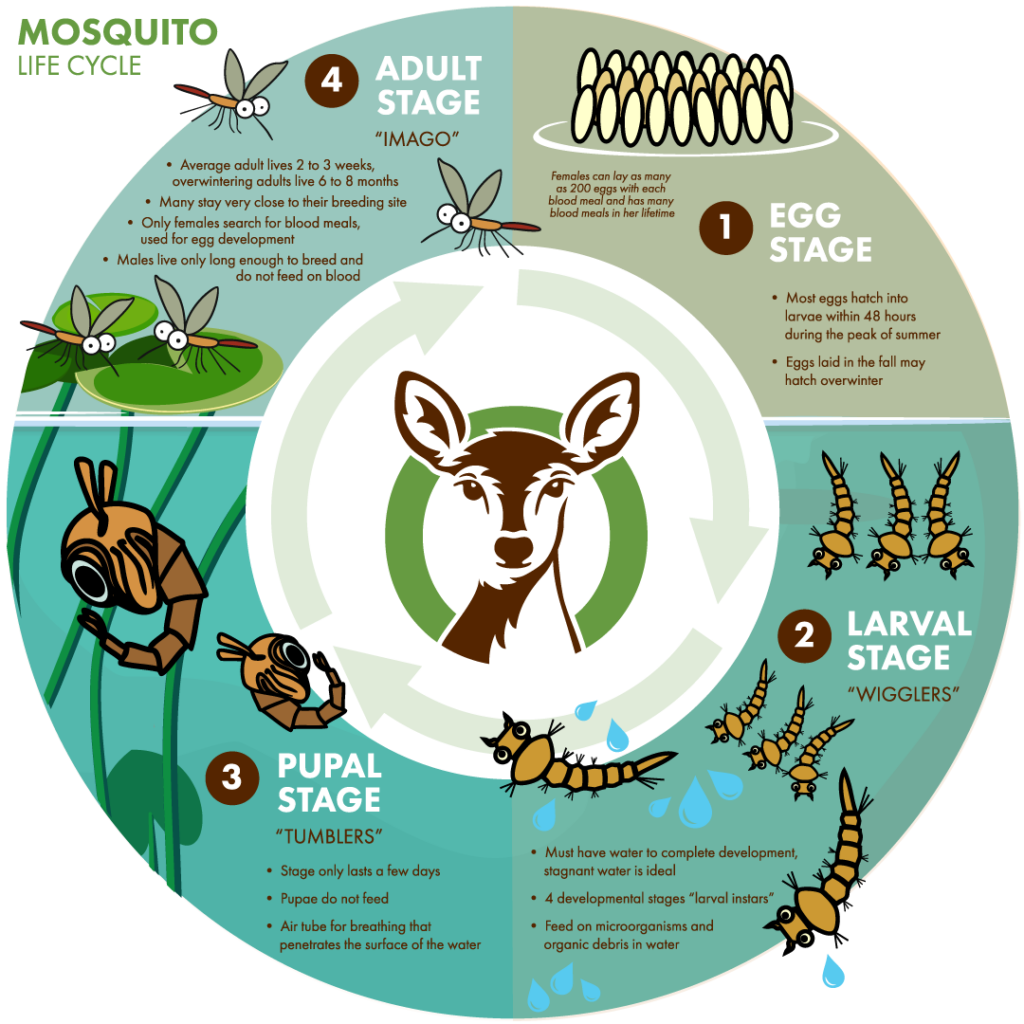
The first three stages require water to survive. Female mosquitoes seek out standing water to lay eggs, which means even small amounts of water around your yard can quickly turn into mosquito breeding sites.
This is why learning how to get rid of mosquito breeding grounds is far more effective than only focusing on killing adult mosquitoes. When you eliminate mosquito breeding areas, you interrupt the mosquito life cycle before mosquitoes ever become biting adults.
Mosquito source reduction is considered one of the most important parts of long-term mosquito prevention yard strategies because it addresses the problem at its source.
Many homeowners are surprised by how little water mosquitoes actually need. Some species can breed in just a bottle cap of water.
If you are trying to figure out how to reduce mosquitoes in your yard, start by identifying these common mosquito breeding sites yard owners often overlook.
Flowerpot trays are one of the most common mosquito breeding grounds around homes. Water often sits for days after watering plants or rainstorms.
To eliminate standing water mosquitoes rely on:


Unused buckets, wheelbarrows, watering cans, and gardening tools often collect rainwater without homeowners noticing.
One of the easiest mosquito control yard tips is simply storing these items upside down when not in use.


Birdbaths are beautiful additions to a yard, but stagnant water quickly becomes a mosquito breeding site. Refresh birdbath water every few days and clean the sides regularly to help prevent mosquito larvae from developing. Pet water bowls should also be cleaned and refreshed often.

Even if you are not actively using your kiddie pool, leftover water can become a serious mosquito breeding ground. Pool covers are another hidden problem because water often pools in low spots and folds.
For better backyard mosquito control:


One of the most overlooked mosquito breeding sites yard owners deal with is clogged gutters. Leaves, debris, and dirt trap moisture and create perfect mosquito breeding conditions.
If you want to know how to get rid of mosquito breeding grounds around your home, checking your gutters regularly is essential.


Tarps stretched over grills, boats, firewood, or patio furniture often sag and collect water after rain. These tiny puddles become ideal mosquito breeding grounds.
Tighten covers whenever possible and empty pooled water immediately.


Old tires are notorious mosquito breeding grounds because they trap rainwater and stay shaded. Tires are one of the most common places mosquitoes breed in residential areas.
Dispose of unused tires properly or keep them completely dry and covered.


One of the most important mosquito prevention yard habits is learning to identify standing water quickly. Mosquitoes are constantly searching for quiet, stagnant water to lay eggs. The longer water sits undisturbed, the more likely mosquitoes are to breed there.
If you are wondering how to stop mosquitoes from breeding, the answer almost always starts with eliminating standing water.
Under the right conditions, mosquitoes can develop from eggs to adults in as little as 7 to 10 days. That means if standing water remains in your yard for even a week, you could suddenly notice a major increase in mosquito activity.
This is why mosquito source reduction should become part of your weekly yard routine during mosquito season.
Consistency is one of the biggest factors in successful mosquito life cycle control. Homeowners who stay proactive throughout the season usually experience fewer mosquito issues than those who only react after mosquitoes become overwhelming.
If you are serious about how to reduce mosquitoes in your yard, walk your property once a week and check for:


This simple routine can dramatically reduce mosquito breeding grounds before they become a larger issue.
While eliminating standing water mosquitoes need is the most important step, landscaping also plays a major role in backyard mosquito control.
Adult mosquitoes prefer:
Reducing these resting areas can help make your yard less attractive to mosquitoes.
Mosquitoes hide in shaded vegetation during the heat of the day. Trim bushes and shrubs near patios, entryways, play areas, pools and outdoor seating spaces
Tall grass traps moisture and creates cooler hiding areas for mosquitoes. Regular mowing is one of the easiest mosquito control yard tips homeowners can follow.
Wet leaves hold moisture and create ideal mosquito resting conditions. Remove leaf buildup from fence lines, under decks, wooded edges, garden beds.
Some mosquito breeding grounds are caused by drainage issues rather than containers. If your yard stays muddy or puddled after rainfall, mosquitoes may continue breeding there repeatedly.


To improve mosquito prevention yard conditions:
Fixing drainage issues can significantly reduce mosquito breeding sites yard-wide.
Rain barrels and decorative ponds are common mosquito breeding grounds when not properly maintained.
If you use rain barrels try to keep the lids tightly sealed, use fine mesh screens, check overflow openings regularly and prevent water from pooling around the base.
Moving water is less attractive to mosquitoes than stagnant water. Adding circulation or fountains can help improve backyard mosquito control around water features.
Sometimes standing water cannot be fully removed. In those cases, targeting mosquito larvae may help reduce mosquito populations before they mature.
One commonly used option is Bti (Bacillus thuringiensis israelensis), a naturally occurring bacterium used in some mosquito control products.
Bti targets mosquito larvae in water and is commonly used in ornamental ponds, rain barrels, drainage areas or water features.

Always follow product labels carefully and confirm the product is appropriate for your intended use.
Many homeowners focus only on spraying adult mosquitoes without addressing mosquito breeding grounds. The problem is that adult mosquitoes can quickly return if standing water remains throughout the yard.
If you really want to know how to get rid of mosquito breeding grounds effectively, the focus needs to be on:
Spraying may help temporarily reduce adult activity, but long-term mosquito prevention yard success usually requires addressing breeding conditions first.
One of the biggest reasons DIY mosquito efforts fail is inconsistency.
Mosquito prevention is not a one-time task. Mosquito breeding grounds can return after every rainstorm, sprinkler cycle, or humid week.
The homeowners who experience the best results usually:
At ohDEER, we believe effective mosquito control starts with understanding why mosquitoes are showing up in the first place.
Many homeowners immediately jump to harsh chemical-heavy solutions without addressing mosquito breeding grounds around the property. But when standing water and mosquito breeding sites remain untreated, mosquitoes often continue returning.
That is why smarter backyard mosquito control usually starts with:
From there, families can layer in additional mosquito yard treatment strategies that align with their comfort level and lifestyle.
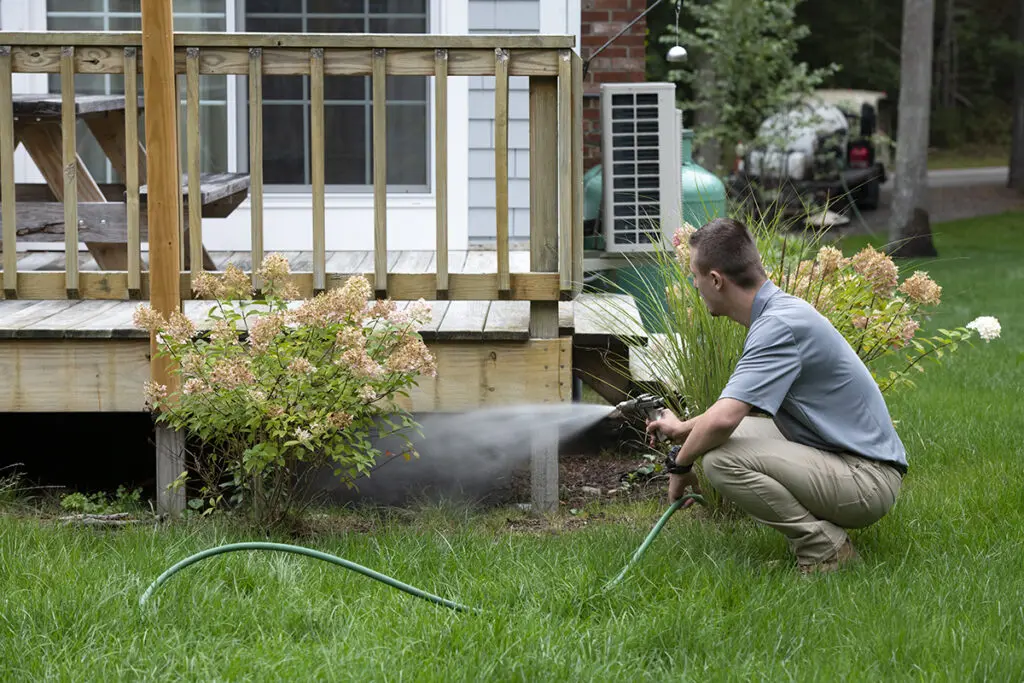
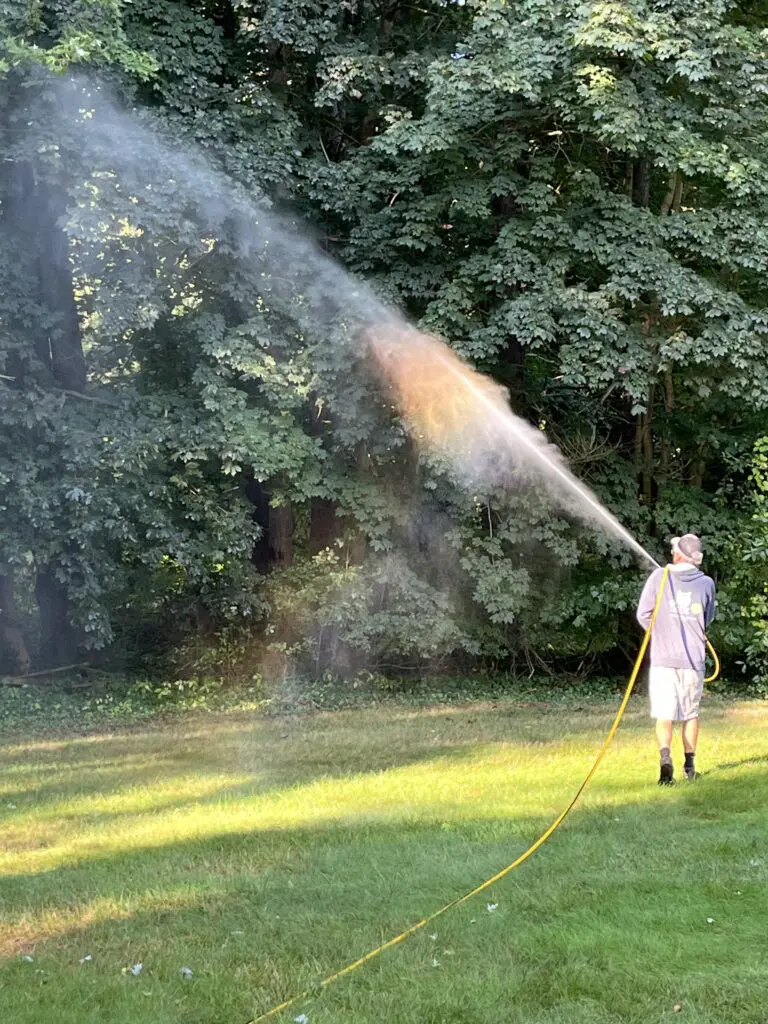
Our goal is always to help families enjoy more time outside while being thoughtful about what is applied around kids, pets, gardens, and outdoor living spaces. Our All-Natural Mosquito Control solution is free of harmful chemicals, learn more about our solution here.
The most common mosquito breeding grounds include:
Any location that holds stagnant water for several days can become a mosquito breeding site.
Consistency is key for mosquito life cycle control. If you want to know how to stop mosquitoes from breeding, focus on:
You should inspect your yard at least once a week during mosquito season. Mosquitoes can complete their life cycle very quickly, so weekly mosquito prevention yard maintenance is important.
Yes. Mosquitoes can breed in surprisingly tiny amounts of water, including bottle caps, cups, plant trays, toys, tarps and clogged gutters. This is why mosquito source reduction requires attention to detail.
Mowing alone will not eliminate mosquitoes, but it can help reduce mosquito resting areas. Mosquitoes prefer cool, damp, shaded vegetation, so regular lawn and landscape maintenance can support backyard mosquito control efforts.
Mosquitoes often return after spraying because breeding grounds are still present nearby. If standing water remains around your property, new mosquitoes can continue developing and replacing the adults that were treated. Addressing mosquito breeding grounds is one of the most important long-term mosquito control yard tips for lasting results.