

Learn about safe, effective relief for itching and swelling, plus when to see a doctor. If you’re searching for how to treat a mosquito bite, you’re likely dealing with itching, swelling, or a child who cannot stop scratching.
Mosquito bites are one of the most common skin irritations during warm weather. While most bites are harmless and heal on their own, the itching can be intense. Scratching can lead to prolonged irritation, broken skin, and even infection.
The good news is that knowing how to treat a mosquito bite properly can reduce swelling, calm itching quickly, and prevent complications.
This guide explains:
This article is for educational purposes only and is not medical advice.
Understanding how to treat a mosquito bite starts with understanding why the reaction happens.
When a mosquito bites, it injects saliva into your skin. That saliva contains proteins that prevent blood from clotting while the mosquito feeds.
Your immune system recognizes those proteins as foreign and releases histamine. Histamine causes:


The itch is not caused by the puncture itself. It is caused by your body’s immune response.
Some people react more strongly than others. Children often experience larger swollen areas because their immune systems are still building exposure to mosquito saliva proteins.
If you want to treat a mosquito bite properly and reduce the risk of infection, follow these steps.
Gently wash the area with soap and water as soon as you notice it.
This helps:
Even a small bite should be cleaned before applying creams or treatments.
If you are wondering how to treat a swollen mosquito bite, cold therapy is one of the most effective first steps.
Cold helps:
How to apply:


Cold compresses are especially helpful for children because they provide relief without medication.
The most important part of learning how to treat a mosquito bite is controlling the itch before scratching begins.
Scratching can:
If you want to treat a mosquito bite fast, itch control is the priority.
Hydrocortisone cream reduces inflammation and itching.
Best for:
Apply a thin layer according to label directions. Avoid broken skin.
Calamine soothes irritated skin and helps relieve itching.
It works well for:
If the reaction is large or especially itchy, an oral antihistamine may help reduce the allergic response.
Helpful for:
Always follow dosing instructions and consult a pediatrician for young children.
A simple home option that may reduce itching.
How to use:
This may help calm irritation for mild bites.
Pure aloe vera gel may provide soothing relief for inflamed skin. It does not stop the allergic reaction but may reduce surface irritation.
Colloidal oatmeal lotions or baths can help soothe widespread irritation if you have multiple bites.
Children often react more strongly and scratch more aggressively.
To treat a mosquito bite on a child:


If swelling becomes very large, warm, painful, or spreads, contact your pediatrician.
Most mosquito bites:
Large local reactions may last up to 7–10 days.
If a bite continues worsening instead of improving, medical advice may be needed.
A mosquito bite can become infected if scratched open.
Watch for:
If you notice these symptoms, contact a healthcare provider.
While most mosquito bites are mild, seek urgent care if you experience:
These could indicate a severe allergic reaction.
Mosquitoes can transmit illnesses such as West Nile virus in some regions.
Contact a healthcare provider if you develop:
Most mosquito-borne illnesses are uncommon, but symptoms should never be ignored.
When learning how to treat a mosquito bite, avoid these common mistakes:
Some individuals develop large, swollen reactions sometimes called large local reactions.
These reactions:
If swelling spreads rapidly or is accompanied by fever, seek medical advice.
While knowing how to treat a mosquito bite is important, prevention reduces the need for treatment altogether.
To reduce mosquitoes around your home:


Reducing breeding sites significantly lowers mosquito populations.
To treat a mosquito bite fast:
Cold therapy combined with anti-itch treatment provides the quickest relief.
Apply a cold compress for 10-minute intervals. Use hydrocortisone cream to reduce inflammation. If swelling is significant, an oral antihistamine may help.
If swelling continues to increase or becomes painful, consult a healthcare provider.
Over-the-counter hydrocortisone cream (1%) is one of the most effective options for reducing itching and inflammation. Calamine lotion is also commonly recommended.
For babies:
Always consult a pediatrician before using medications on infants.
Large local reactions can occur due to stronger allergic responses. However, if redness spreads significantly, becomes painful, or oozes, it may be infected.
Yes, though it is uncommon. Mosquitoes can transmit viruses such as West Nile virus. Seek medical advice if you develop fever, severe headache, body aches, or other unusual symptoms after mosquito bites.
No. A mosquito bite is not a pimple. Popping or squeezing it can damage skin and increase infection risk.
Apply hydrocortisone or calamine before bed. Use a cold compress briefly. Cover bites lightly if scratching occurs during sleep.
If you are wondering how to treat a mosquito bite, the approach is straightforward:
Most mosquito bites heal within a few days with proper care. Acting early to reduce inflammation and itching, especially in children, prevents minor irritation from becoming larger skin problems.
If symptoms become severe, infected, or unusual, contact a healthcare provider.
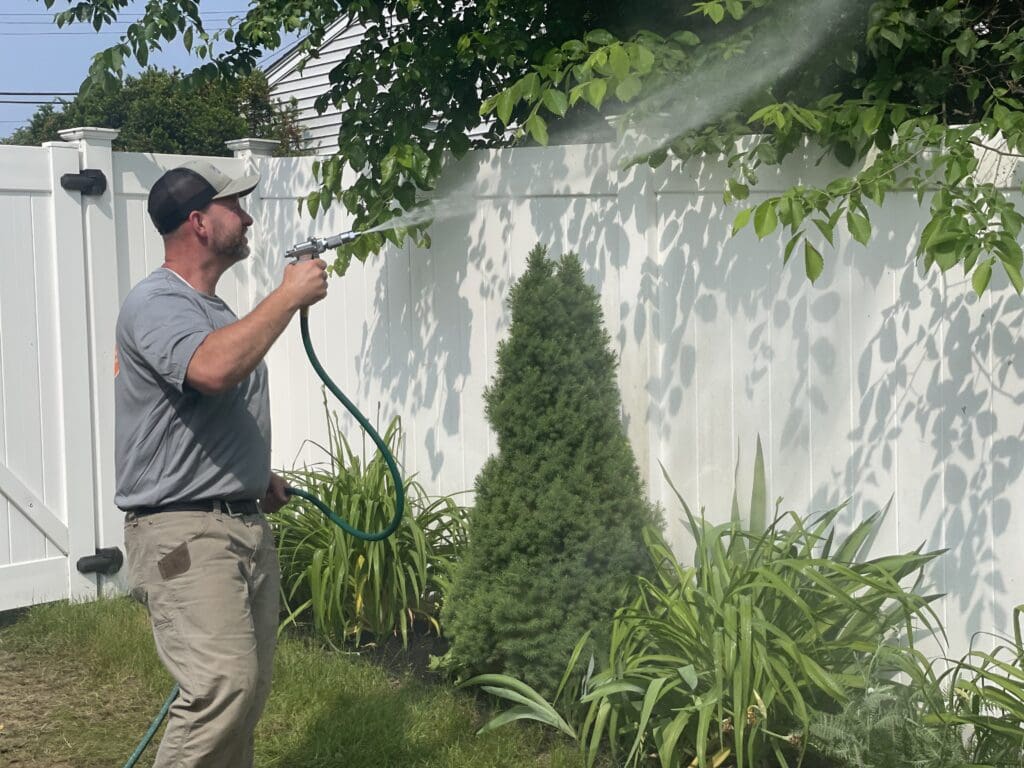
Contact your nearest ohDEER to schedule your All-Natural Mosquito Control service! Protect your family and pets from itchy bites and harmful diseases, without exposing them to chemical pesticides. Choose All-Natural, and Enjoy More Time Outside!