

Spending time outside is one of the greatest parts of family life. Kids playing in the backyard, pets exploring the lawn, weekend hikes, or evenings around the firepit. But with outdoor fun comes one invisible risk many homeowners underestimate: ticks.
Ticks aren’t just annoying. They can transmit diseases like Lyme, babesiosis, and anaplasmosis. For families, this is especially concerning because children and pets are often in tall grass, leaf litter, and backyard edges where ticks thrive.
The good news is that you don’t need harsh chemicals to protect the people and pets you love. With thoughtful maintenance and natural strategies, you can reduce tick exposure without compromising your outdoor lifestyle or environment.
Below, you’ll learn the biggest risk areas, practical prevention steps, and how natural tick control works to protect your yard and the people who use it.
Ticks are stealthy. Unlike mosquitoes, you don’t feel a bite happening. Many ticks are as small as a poppy seed when they first attach, making them incredibly hard to detect.
Families should prioritize reducing tick exposure because:


One tick bite can lead to weeks, months, or even years of health challenges. Prevention isn’t just convenient. It is essential.
Ticks love moisture, shade, and cover. They thrive in tall grass, leaf piles, ground cover plants, and untidy woodlines. A tidy landscape reduces habitat and makes your yard less appealing to ticks.
Simple lawn care goes a long way toward reducing tick exposure, including:


Ticks do not typically crawl across wide, sun-exposed spaces. You can use this to your advantage.
Install a barrier that discourages ticks from traveling into your yard, such as:


A 3–6 foot border between your lawn and wooded edges can dramatically lower tick migration.
Dogs and outdoor cats are one of the top ways ticks enter homes. Whether your pet loves the woods or just the backyard, reducing their exposure is crucial.
Natural steps include:

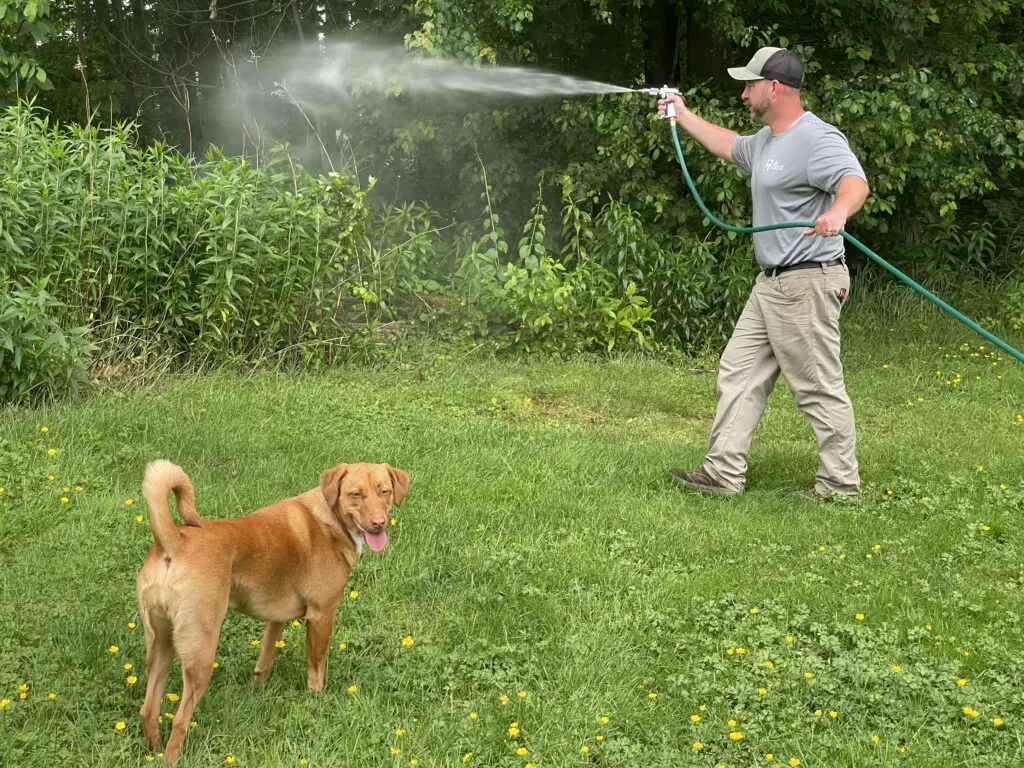
If your dog visits dog parks, hiking trails, or boarding facilities, natural yard protection becomes even more valuable because it reduces what your pet brings home.
Children’s spaces should be placed thoughtfully. To reduce tick exposure:


The goal is separation between where kids play and where ticks live.
Tick checks are more than a quick glance.
To reduce tick exposure to disease, do thorough checks after outdoor play:
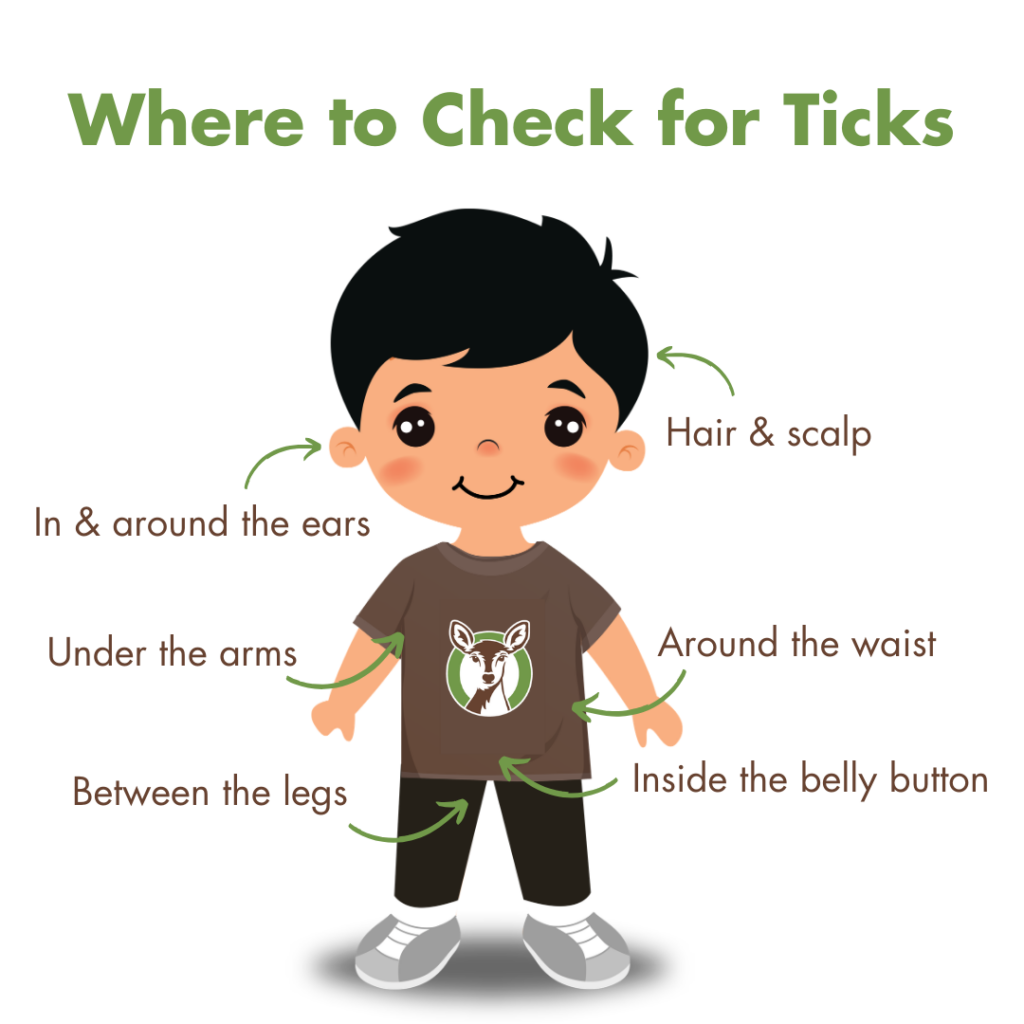
Prompt removal decreases the chance of disease transmission, which often requires hours of attachment.
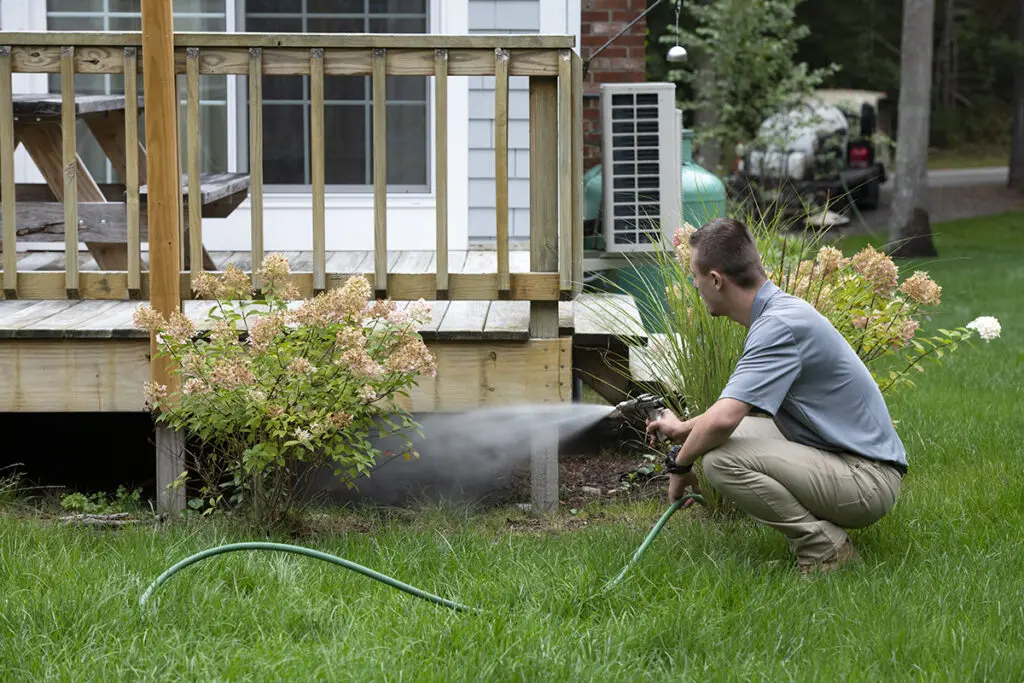
Ticks rely heavily on scent and landing vegetation. Natural control, like ohDEER’s All-Natural Tick Control works by:
Unlike chemical pesticides, natural control does not leave toxic residue, is safe for kids, pets, gardens, and outdoor toys, and allows families to enjoy their space immediately after application.
Professional natural control is one of the most effective, family-friendly ways to reduce tick exposure long-term.
In addition to yard maintenance, these landscaping techniques help create a low-tick environment:
Deer frequently carry ticks through landscapes. Choosing plants deer avoid can help reduce the wildlife activity that brings ticks close to your home.
Ticks dry out easily. Opening up shady spaces with pruning reduces their survival rates.
Wood piles harbor rodents, which carry ticks. Stacking firewood away from patios or children’s spaces helps reduce risk.
These small changes accumulate over time, making your property less welcoming to ticks and the animals that transport them.
Children are statistically more likely to encounter ticks because they:
Reducing tick exposure protects childhood experiences such as playing outdoors, exploring nature, camping, or backyard games.
Pets don’t just get bitten — they act as delivery systems for ticks into your house.
To reduce tick exposure from pets:


A protected yard is often the most effective way to reduce what pets bring inside.
Most homeowners only think about ticks when the weather warms, but ticks live in your yard year-round.
Ticks life cycle includes egg, larva, nymph, and adult stages. Nymphs, which are tiny and easy to miss, cause the most disease transmission. Treating your yard all season interrupts the cycle at multiple points, which dramatically reduces tick activity.
ohDEER was built around a simple mission: create safer outdoor spaces without using harmful chemicals.
Our All-Natural Tick Control services:


Natural tick protection isn’t just effective, it fits how families live. Pets roll in the grass, kids play barefoot, and we enjoy outdoor meals. Your backyard should support that lifestyle safely.
Protecting your family isn’t about fear. It is about knowledge and proactive prevention.
By combining:
you can significantly and naturally reduce tick exposure at home.
Families should enjoy their yards without worry. With the right approach, you truly can enjoy more time outside.
1. What is the most effective way to reduce tick exposure in my yard?
The most effective way to reduce tick exposure is to combine multiple strategies. Regular lawn maintenance, removing leaf litter, creating barriers between wooded areas and your lawn, and using all-natural tick control treatments work together to reduce tick habitats and activity. No single solution is as effective as a layered approach.
2. Can I reduce tick exposure without using chemical pesticides?
Yes. You can significantly reduce tick exposure using all-natural methods. These include proper yard maintenance, strategic landscaping, pet protection, and natural yard treatments that repel and disrupt tick activity without leaving harmful residues.
3. How often should I check for ticks after being outside?
You should perform a thorough tick check every time you or your pets come indoors after spending time outside, especially in grassy, wooded, or shaded areas. Daily checks are one of the most important habits to reduce tick exposure and prevent disease transmission.
4. Where are ticks most commonly found in a yard?
Ticks are typically found in shaded, moist environments such as tall grass, leaf litter, woodlines, ground cover, and brush piles. Lawn edges and transitions between woods and open yard are especially high-risk areas for tick exposure.
5. Do ticks live in short, well-maintained grass?
Ticks prefer tall grass and dense vegetation, but they can still be present in maintained lawns if conditions are favorable. Keeping grass short helps reduce tick exposure, but it should be combined with other prevention strategies for best results.
6. How do pets increase tick exposure in a home?
Pets can pick up ticks outdoors and carry them inside, increasing tick exposure for your entire household. Regular tick checks, washing pet bedding, and protecting your yard are key ways to reduce the risk.
7. What time of year should I focus on reducing tick exposure?
Tick prevention should be a year-round effort. Ticks are most active in spring, summer, and fall, but some species remain active during mild winter days. Consistent prevention helps reduce populations over time.
8. How quickly can ticks transmit disease?
In many cases, ticks need to be attached for several hours before transmitting disease. This is why prompt and thorough tick checks are critical to reduce tick exposure and lower the risk of infection.
9. Do natural tick control methods actually work?
Yes. When applied consistently and correctly, natural tick control methods can effectively reduce tick exposure by making your yard less attractive to ticks and interrupting their life cycle. Professional all-natural treatments enhance these results.
10. How can I reduce tick exposure for children playing outside?
Place play areas in sunny, open spaces away from wooded edges, keep grass trimmed, and use barriers like mulch or gravel around play zones. Combine this with daily tick checks to help protect children.
11. Does landscaping really make a difference in tick exposure?
Absolutely. Landscaping choices such as increasing sunlight, reducing dense ground cover, selecting deer-resistant plants, and keeping wood piles away from living areas can significantly reduce tick exposure over time.
12. Is professional tick control necessary, or can I do it myself?
DIY methods can help reduce tick exposure, but professional treatments provide a more consistent and comprehensive approach. They target multiple stages of the tick life cycle and help maintain lower tick populations throughout the season.
13. How long does it take to see results from tick prevention efforts?
Some improvements, like reducing habitat, can have immediate effects. However, meaningful reductions in tick populations typically occur over time as their life cycle is disrupted through consistent prevention.
14. Can ticks survive in sunny areas?
Ticks prefer shaded, humid environments and are less likely to survive in dry, sunny areas. Increasing sunlight exposure in your yard is a natural way to reduce tick exposure.
15. What is the biggest mistake homeowners make when trying to reduce tick exposure?
The most common mistake is relying on a single method, such as mowing the lawn, without addressing other factors like landscaping, pet protection, and consistent treatment. A comprehensive approach is key to effectively reduce tick exposure.
ohDEER offers all-natural tick, mosquito, and deer control designed for families, pets, and people who love the outdoors.
Request a free quote and see how we can help you reduce tick exposure naturally.