


Mosquitoes are more than just an annoying part of summer. They are responsible for spreading some of the world’s most dangerous illnesses. In fact, mosquito borne diseases make mosquitoes the deadliest animal on the planet due to the number of infections they transmit each year.
When a mosquito bites, it can transfer pathogens such as viruses, parasites, or other microorganisms into the bloodstream. These pathogens cause what are known as mosquito borne diseases, which can affect both humans and animals.
Some mosquito borne diseases occur primarily in tropical regions, while others are commonly found in North America, including in the northeastern United States. Understanding the different types of mosquito borne diseases, how they spread, and their symptoms can help families better understand the risks and take steps to protect themselves.
Below is a detailed guide to the most important mosquito borne diseases affecting humans and animals today.
Mosquitoes act as vectors, meaning they transmit disease-causing organisms from one host to another.
The process of how mosquito borne diseases spread typically works like this:

Different species of mosquitoes carry different mosquito borne diseases. Understanding which mosquitoes are present in your region can help you better assess your risk.
Species: Aedes aegypti, Aedes albopictus

These mosquitoes are known for spreading several major mosquito borne diseases, including:
They are aggressive daytime biters and are most common in warmer climates, though their range is expanding.

These mosquitoes are responsible for transmitting one of the most serious mosquito borne diseases globally:
They typically bite at night and thrive in warm, humid environments.

Culex mosquitoes are common throughout North America and are responsible for spreading several mosquito borne diseases, including:
Below are some of the most common and medically significant mosquito borne diseases around the world.
West Nile virus is the most common mosquito borne disease in the United States.
How It Spreads:
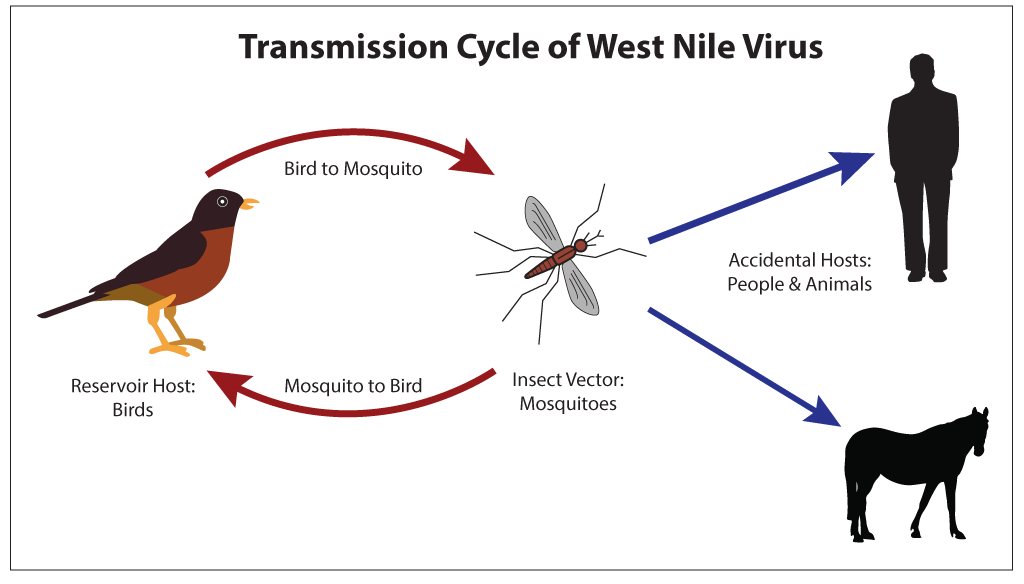
Mosquitoes become infected when they feed on infected birds and then transmit the virus to humans or animals.
Symptoms:
Most people experience no symptoms. When symptoms do occur, they may include:
Severe Cases:
In rare cases, West Nile virus can affect the nervous system and cause:
Treatment:
There is no specific treatment for this mosquito borne disease. Care focuses on symptom management.
Regional Risk:
Found throughout the United States, with peak activity in late summer and early fall.
Dengue is a rapidly spreading mosquito borne disease transmitted primarily by Aedes mosquitoes.
Symptoms:
Symptoms usually appear 4–10 days after infection and may include:

Severe Dengue:
Can lead to internal bleeding, organ failure, and hospitalization.
Treatment:
There is no specific antiviral treatment. Recovery typically involves rest, hydration, and symptom relief.
Regional Risk:
Common in tropical regions, Latin America, Southeast Asia, and the Caribbean, with occasional cases in the southern United States.
Zika is a mosquito borne disease that gained global attention due to its impact on pregnancy.
Symptoms:
Most cases are mild or asymptomatic. When symptoms occur, they may include:
Major Concern:
Zika infection during pregnancy can cause serious birth defects, including microcephaly.

Treatment:
No specific treatment exists. Care focuses on rest, fluids, and symptom relief.
Chikungunya is another mosquito borne disease spread by Aedes mosquitoes.
Symptoms:
Joint pain from this mosquito borne disease can last for months in some individuals.

Treatment:
No cure exists. Treatment focuses on managing pain and symptoms.
Malaria is one of the most serious mosquito borne diseases globally and is caused by parasites transmitted by Anopheles mosquitoes.
Symptoms:
Treatment:
Malaria requires prescription medications. Early diagnosis is critical for successful treatment.
Regional Risk:
Most common in sub-Saharan Africa, South Asia, and tropical regions worldwide. Cases in the U.S. are typically travel-related.
Yellow fever is a viral mosquito borne disease that can range from mild to severe.
Symptoms:
Early symptoms:
Severe symptoms:
Prevention:
A highly effective vaccine is available for travelers to high-risk regions.
EEE is a rare but extremely serious mosquito borne disease found in parts of the United States, including the Northeast.

Symptoms:
Severe Cases:
Can lead to brain inflammation, seizures, and coma.
Treatment:
No specific treatment exists. Medical care focuses on supportive measures.
Mosquito borne diseases do not only impact humans. Animals are also at risk.


Examples include:
Mosquitoes transmit heartworm larvae to dogs. Over time, the worms grow in the heart and lungs, leading to serious health complications.
Horses can contract mosquito borne diseases such as:
Vaccines are available for some of these diseases in animals.
Mosquito borne diseases can affect anyone, but certain groups face higher risk:
Additionally, climate change and expanding mosquito habitats are increasing the spread of mosquito borne diseases into new regions.
The most effective way to reduce the risk of mosquito borne diseases is to prevent mosquito bites and limit mosquito populations around your home.


Professional mosquito control services can also help reduce mosquito populations and lower the risk of mosquito borne diseases in your yard.
Mosquito borne diseases are a growing concern, even in areas where they were once less common. Increased travel, climate shifts, and changing ecosystems are expanding mosquito populations and the diseases they carry.
By understanding mosquito borne diseases, recognizing symptoms, and taking preventative steps, families can continue to enjoy outdoor spaces with greater peace of mind.
What diseases do mosquitoes carry?
Mosquitoes can spread several mosquito borne diseases, including West Nile virus, dengue, malaria, Zika, chikungunya, yellow fever, and different forms of encephalitis.
Are mosquito borne diseases common in the United States?
Yes. West Nile virus is the most common mosquito borne disease in the U.S., with cases reported every year.
Can mosquitoes transmit diseases to pets?
Yes. Mosquito borne diseases can affect animals, including heartworm in dogs and viral infections in horses.
Do all mosquitoes carry diseases?
No. Only mosquitoes infected with pathogens can transmit mosquito borne diseases.
What time of day are mosquitoes most active?
Some species bite during the day, while others are most active at dusk or nighttime.
How can homeowners reduce mosquito populations?
Eliminating standing water, maintaining landscaping, and using mosquito control treatments are key ways to reduce mosquito borne diseases risk.
Should I see a doctor after a mosquito bite?
Most bites are harmless. However, seek medical attention if you experience symptoms such as high fever, severe headache, joint pain, or confusion.