


It might seem counterintuitive. After a long, cold, snowy season, you might expect wildlife to slow down. But when it comes to deer activity after harsh winter, the opposite often happens.
Many homeowners notice a sharp increase in deer activity in spring, especially in residential neighborhoods. If you’ve seen more deer in your yard or noticed sudden plant damage, you’re not imagining it. There are clear biological and environmental reasons behind this spike in deer movement after winter.
To understand deer activity after harsh winter, it helps to look at what deer experience during the colder months. During winter, deer shift into survival mode. Their diet becomes limited, movement slows, and they rely heavily on stored fat to make it through.
By late winter, many deer are operating at an energy deficit, meaning they’ve used more energy than they’ve taken in. At the same time, conditions make it harder to recover:


All of this builds pressure that carries directly into spring and drives deer feeding behavior in spring.
Harsh winters don’t just impact deer physically, they also affect the landscape they depend on.
Cold temperatures, snow, and repeated freeze-thaw cycles can damage or kill vegetation. This reduces the amount of food available and delays early plant growth. This process, often called winterkill, plays a major role in how winter affects deer behavior.
When deer emerge from winter, they are:
This leads to increased deer movement after winter and more noticeable activity in areas where food is easier to find.
Spring is not just a seasonal transition, it’s a critical recovery period. After months of nutritional stress, deer need high-quality, easily digestible food to rebuild strength. This urgency explains why deer are more active in spring.
As a result, deer activity in spring often feels sudden and intense. What homeowners are seeing is not random behavior, but a predictable response to months of winter stress.
One of the biggest drivers of deer activity after harsh winter is the lack of natural food.
Harsh winter conditions can lead to:
This reduces available deer food sources in spring, especially in the environments deer typically rely on. Because of this, deer must expand their search. They travel farther, explore new areas, and increasingly enter developed neighborhoods where food is more accessible.
If you’re wondering why deer come into yards, especially after a harsh winter, it comes down to efficiency.
Your landscape often provides everything deer are looking for in spring:
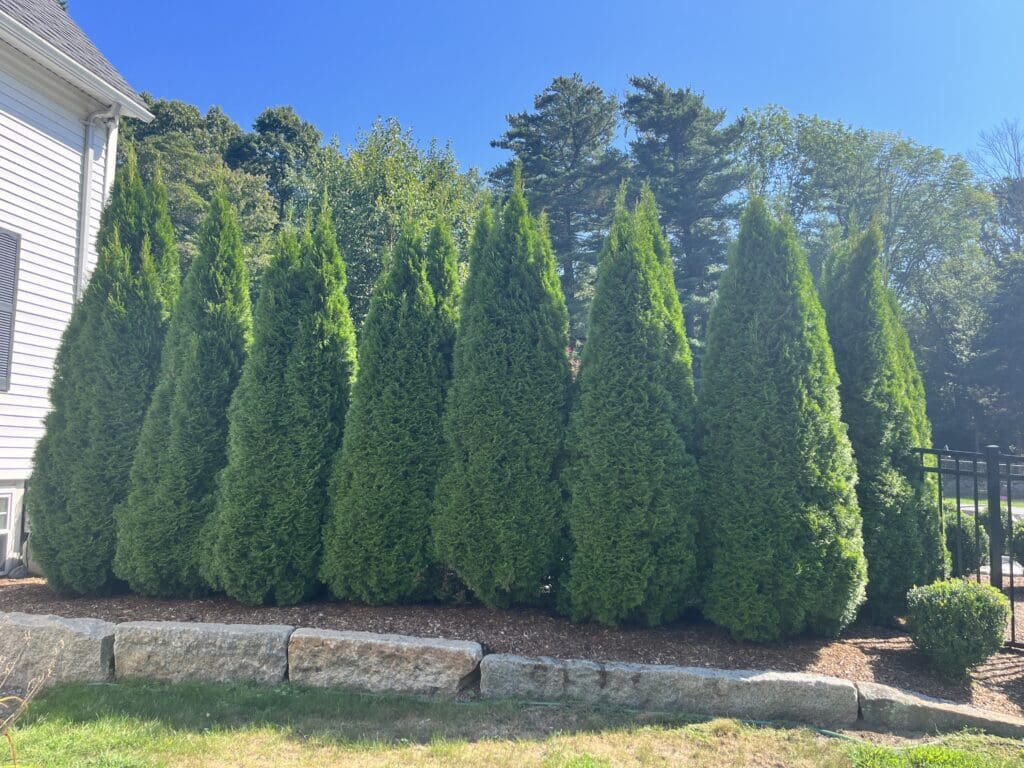

Compared to the woods, your yard is easier to access and offers more reliable nutrition. After winter, deer prioritize finding the most efficient food sources, which is why residential properties become a target during periods of increased deer feeding behavior in spring.
During winter, deer often stay in sheltered areas to conserve energy. They limit movement and remain in dense woods where conditions are more stable.
As spring arrives, that changes quickly.
This increase in deer movement after winter expands their range and brings them into suburban areas. For homeowners, this shows up as increased deer activity in spring, often in places where deer were less visible during winter.
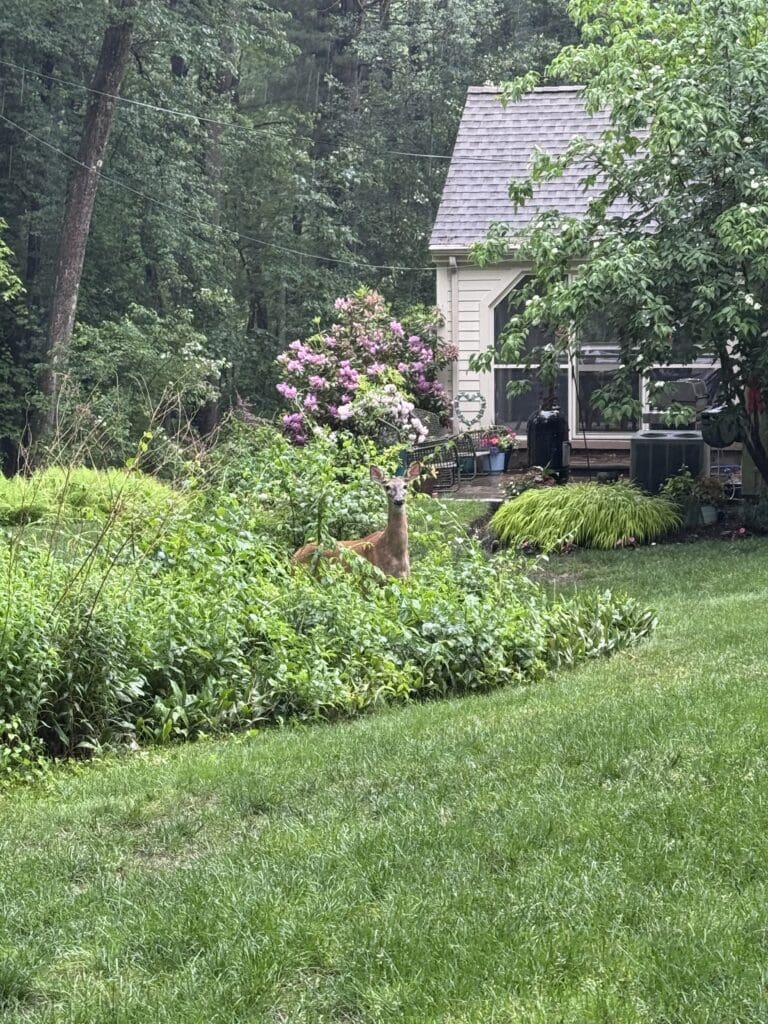

Spring is also a demanding time biologically. Female deer are in late pregnancy and require more nutrition, while male deer are recovering from winter and beginning antler regrowth. Both require significant energy and nutrients.


This leads to increased deer feeding behavior in spring and more pressure on available food sources. Because natural food is still limited after a harsh winter, deer turn to the most nutrient-dense options available, often found in residential yards.
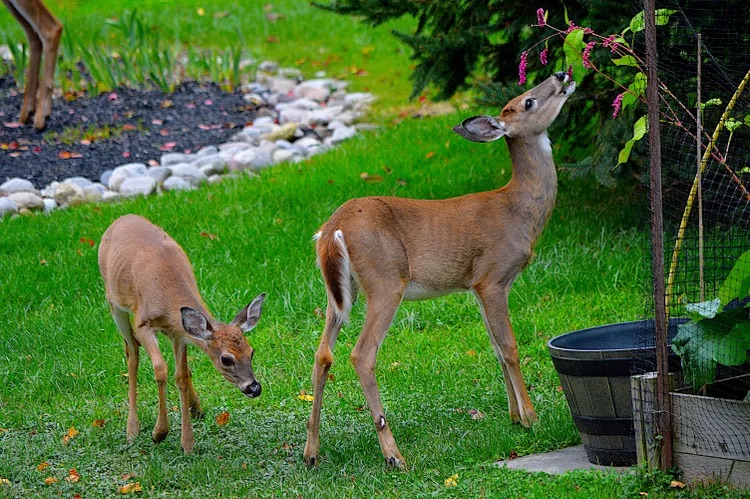
Many homeowners experience sudden and severe deer yard damage in spring.
You may notice:
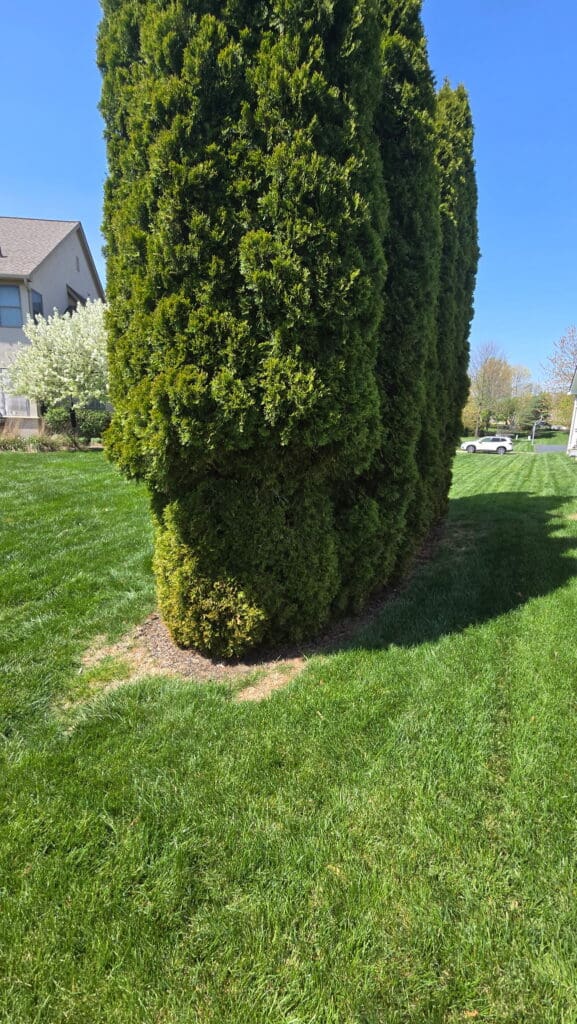


This type of spring deer browsing damage is not random. It is the result of increased hunger, expanded movement, and limited natural food, all tied to deer activity after harsh winter.
Deer rely heavily on memory when it comes to feeding. If deer visited your yard during winter, they already recognize it as a food source. When spring arrives and deer activity in spring increases, that familiarity becomes even more important.
Combine that with food scarcity and increased nutritional needs, and deer are more likely to return repeatedly. Over time, this leads to more frequent visits and more noticeable damage.
Deer activity after harsh winter has become more noticeable in recent years, and changing weather patterns are part of the reason.
More variable winters, increased freeze-thaw cycles, and unpredictable plant damage all impact deer food sources in spring. When natural environments become less reliable, deer are pushed toward areas where food is more consistent. This shift increases deer activity in spring and makes the impact on residential properties more visible.
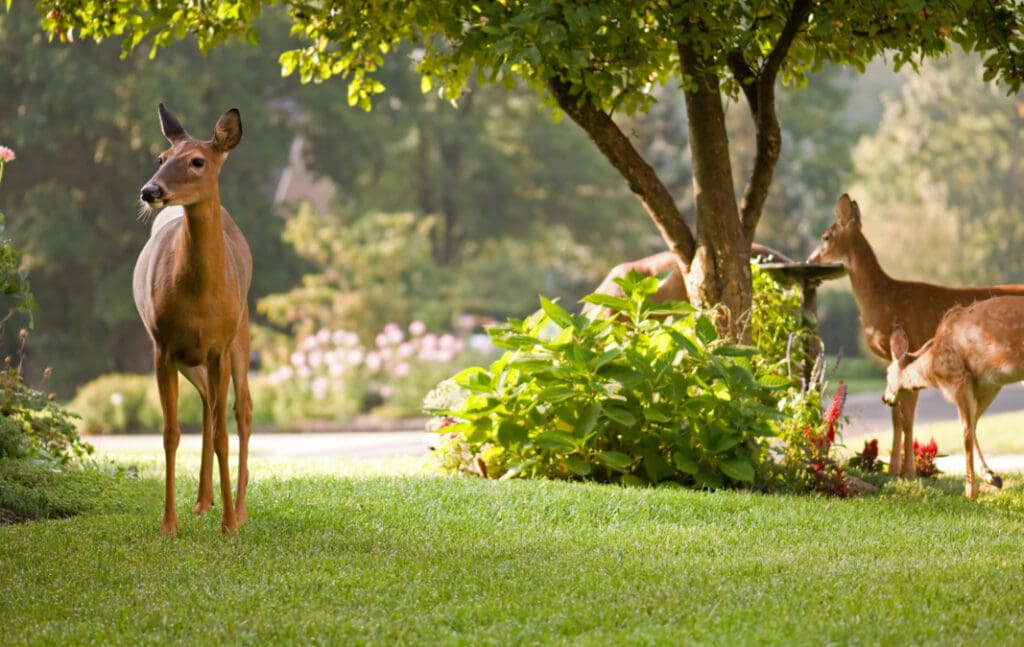
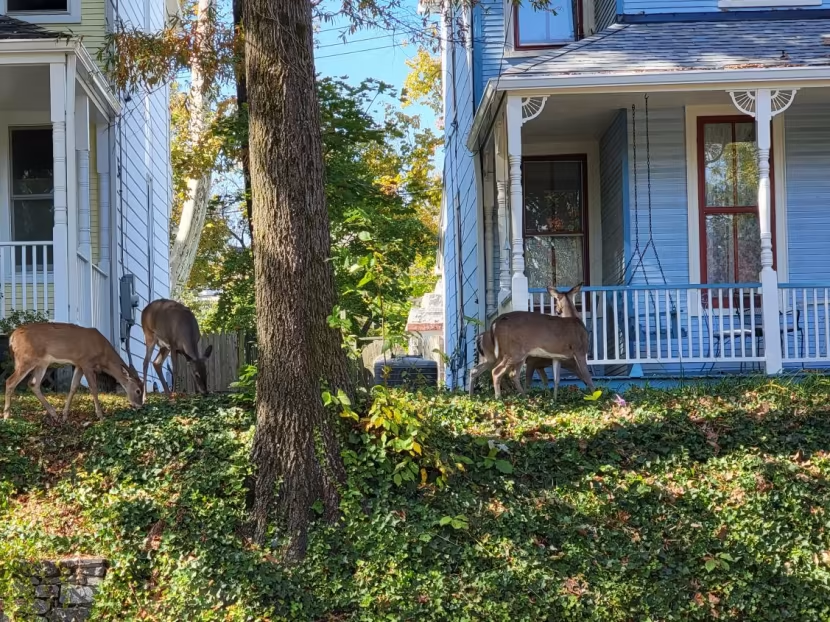
Spring deer behavior is different from other times of year. After a harsh winter, deer are more motivated to feed and more willing to take risks. This makes common deterrents less effective.
Homeowners often find that:
The intensity of deer feeding behavior in spring makes deer harder to deter, especially once they have identified your yard as a reliable food source.
To reduce deer damage in spring, it’s important to address the reason deer are coming into your yard. Start by breaking the association between your landscape and an easy food source. Your goal should be to make your yard less appealing and less predictable from a deer’s perspective.
Consistency is key. Acting early in the season can prevent deer from establishing feeding patterns and significantly reduce long-term deer yard damage in spring.
One of the most effective ways to reduce deer activity after a harsh winter is through consistent treatments. At ohDEER, our All-Natural Deer Control service focuses on applying plant-based repellents that make treated plants smell and taste unappealing to deer, encouraging them to feed elsewhere without causing harm.
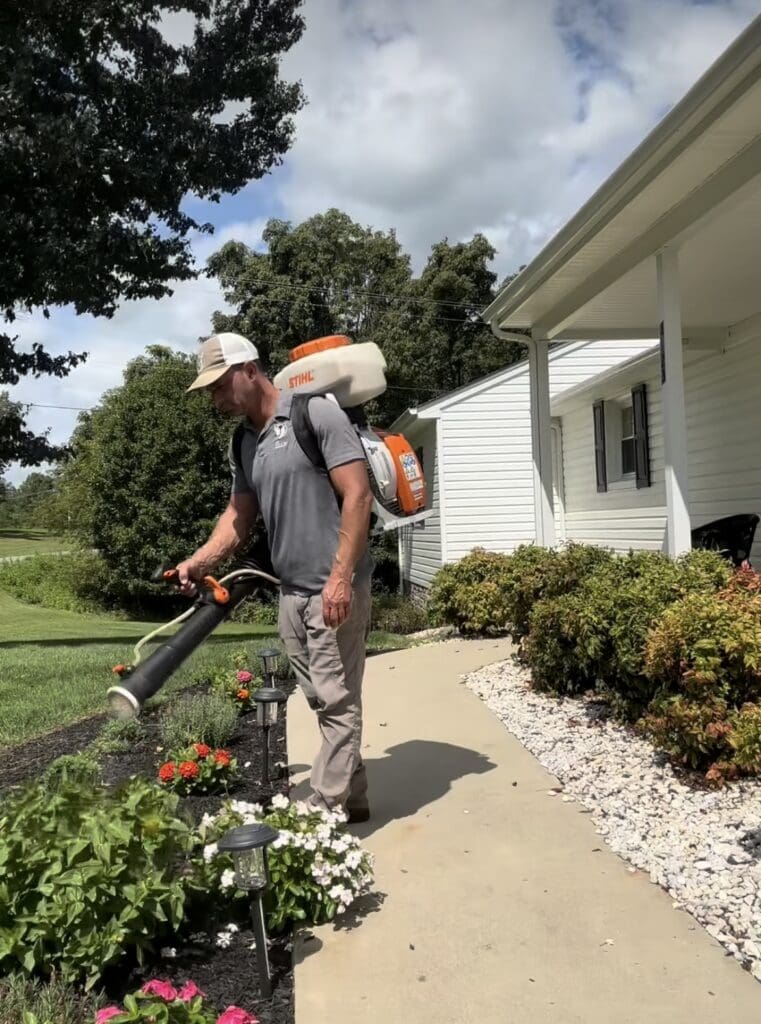
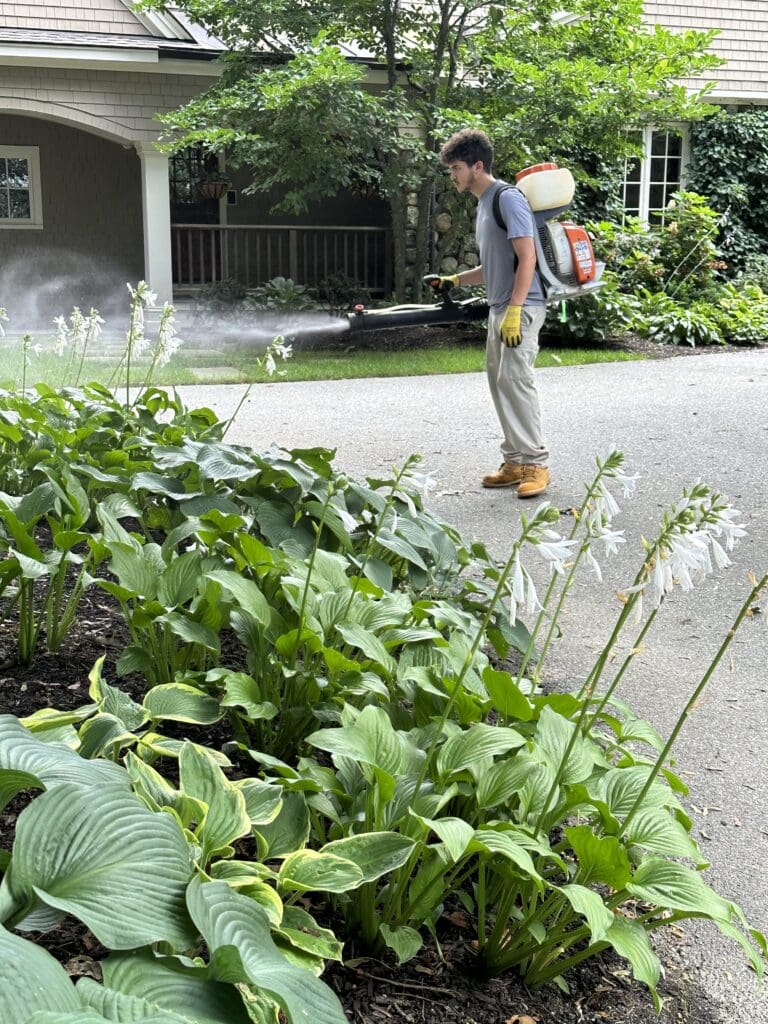
The key word here is consistency. After a long winter, deer are especially persistent and will continue returning to reliable food sources unless they are repeatedly deterred. This is a major reason DIY methods often fall short. Home remedies or store-bought repellents are typically applied inconsistently, washed away by rain, or forgotten during critical feeding periods. Without a regular application schedule, deer quickly learn that the yard is still a dependable food source.
A consistent, professional approach helps retrain deer behavior over time, turning your property from a go-to feeding spot into one they avoid altogether.
Deer activity after harsh winter is not random. It is a direct response to environmental stress and survival needs.
Harsh winters reduce natural food sources and leave deer in a weakened state. As spring arrives, they increase movement and feeding to recover. This leads to more noticeable deer activity in spring, especially in residential areas.

Understanding this pattern helps explain:
Because when it comes to deer behavior, spring is not the start of the problem, it’s when it becomes visible.
Do harsh winters increase deer activity in spring?
Yes. Harsh winters reduce food availability and create energy deficits, leading to increased deer activity after harsh winter.
Why are deer more active in spring?
Deer need to recover from winter conditions, which increases movement and feeding.
Why is there more deer damage in spring?
Limited natural food and increased nutritional needs lead to more intense deer feeding behavior in spring.
What are deer food sources in spring?
Early green growth, shrubs, ornamentals, and fertilized plants are common deer food sources in spring.
Why do deer come into yards after winter?
Yards provide more nutritious and accessible food compared to natural environments.
Do deer move more after winter?
Yes. Deer movement after winter increases as they leave sheltered areas and expand their range.
When should I start preventing deer damage?
At the very beginning of spring or earlier to reduce spring deer browsing damage and prevent repeat visits.