


If you have ever looked around your yard and thought, “I never see deer, so they must not be around,” the damage to your plants may tell a different story.
Just because you do not see deer does not mean they are not there.
In fact, homeowners with significant deer damage may rarely spot a deer in person. That is because deer adapt their behavior to the environment around them, including changing when and where they move. In residential areas, increased human activity during the day can lead to more deer activity at night.
Understanding what deer do after dark, where they hide during the day, and why they repeatedly visit certain properties can help explain why damage seems to appear overnight.
Deer are not strictly nocturnal. They are naturally crepuscular, which means they tend to be most active around dawn and dusk.
These low-light periods offer deer several advantages:
However, deer are highly adaptable. Their natural movement patterns can change in response to human pressure, traffic, pets, hunting activity, weather, food availability, and seasonal changes.
In busy suburban neighborhoods, deer may remain hidden during daylight hours and wait until after dark to enter lawns, gardens, and landscaped areas. As a result, deer activity at night can become much more noticeable than daytime activity.
Deer evaluate their surroundings based on risk and safety. In many residential areas, daytime activity creates more potential disturbances.
Deer may encounter:
Over time, deer can learn the daily rhythms of a neighborhood. They may recognize when properties are most active and adjust their movements accordingly.
Once people and pets go inside and outdoor activity decreases, deer can feel safer approaching food sources. This makes nighttime an ideal opportunity to enter open areas, feed, and travel with fewer interruptions. An average deer consumes about seven pounds of vegetation each day, and about one ton of food every year. Once they find a reliably safe place to dine, they will return night after night.


During the day, deer generally focus on staying protected and conserving energy. They often bed down in areas that provide cover while still allowing them to monitor their surroundings.
Common daytime deer behavior includes:
Daytime bedding areas can be closer to homes than many property owners realize. Deer may hide in woodlines, tall grasses, brush, overgrown sections of neighboring properties, or dense vegetation along the edge of a yard.


Even when deer are nearby, their coloring and ability to remain motionless can make them extremely difficult to notice.
After the sun goes down, deer often leave their daytime bedding areas to travel and feed.
Common deer activity at night includes:


Because the neighborhood is quieter, deer may spend more time feeding and venture farther into open areas than they would during the day.
Nighttime deer activity is often greatest during the hours after sunset and before sunrise. However, there is no single schedule that applies to every deer. Their exact movement patterns depend on the location, season, weather, available food, and level of human activity.


Deer visit properties that provide accessible food with minimal risk. A landscaped yard can offer a concentrated selection of appealing plants, shrubs, flowers, and young trees.
At night:
Together, these conditions can turn a residential yard into a convenient nighttime feeding area. Once deer identify a reliable source of food, they may incorporate that property into their regular route. They can return repeatedly, causing new damage night after night.
The disconnect between deer damage and deer sightings can be frustrating. You may go to bed with healthy plants and wake up to find shrubs eaten, flowers missing, or sections of your garden stripped down.
Signs of overnight deer damage can include:

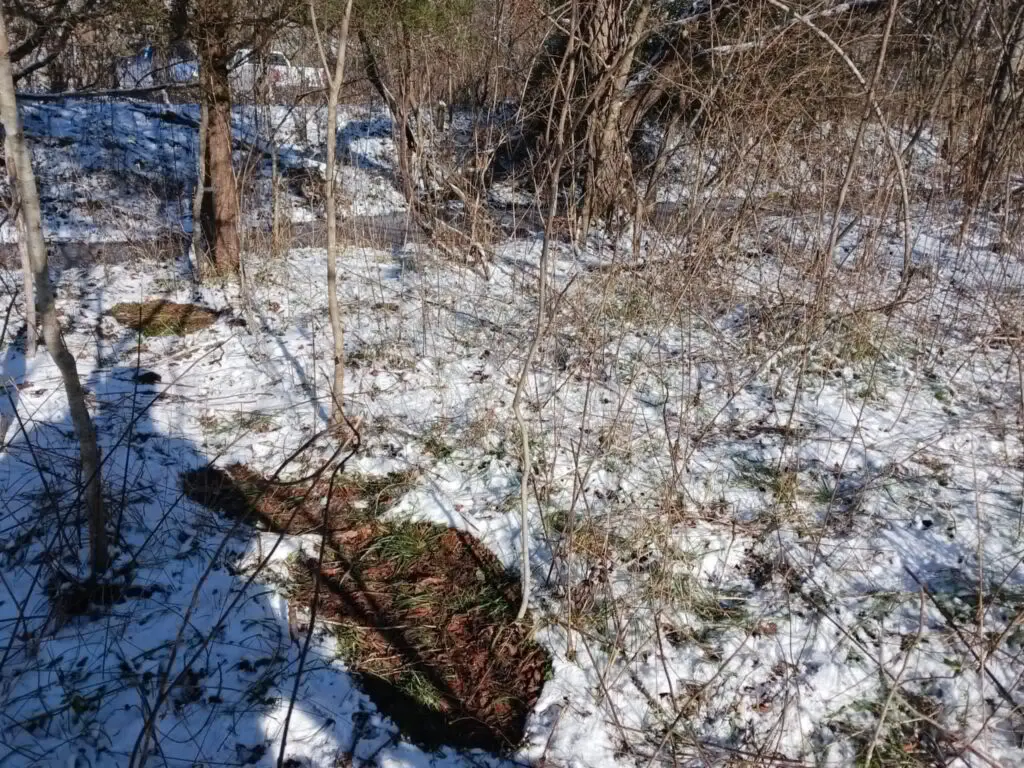
Deer can move quietly, feed quickly, and leave before anyone notices. By sunrise, the only evidence may be the damage they left behind.
Check out our blog on the Top 5 Signs of Deer Damage in Your Yard to learn more!
Deer are remarkably good at avoiding detection, especially when they regularly live near people.
Deer can become familiar with patterns of human activity. They may avoid a property while people are outside and approach after the lights go out or activity slows down.
Deer commonly move along woodlines, fences, hedges, and the edges of properties. These routes allow them to remain partially concealed while traveling between bedding and feeding areas.
A deer can cross a lawn with surprisingly little noise. Its slow, deliberate movements and frequent pauses make it unlikely to attract attention from inside a home.
A deer may spend hours bedded down during the day. Even if it is only a short distance from your house, thick vegetation and natural camouflage can keep it hidden.


When most nighttime feeding is finished before the household wakes up, homeowners see only the tracks, droppings, and damaged plants.
Not necessarily, but deer often share travel routes and feeding areas. Depending on the season, does may travel with fawns, and other deer may form small groups.
If one deer has discovered an appealing food source in your yard, others may use the same trail or begin visiting the same area. Even a single deer returning consistently can cause significant landscape damage over time.
A daytime sighting may also represent only a small part of the deer activity occurring around your property after dark.
You do not need to see a deer in person to determine whether one is visiting your yard. Look for patterns and physical evidence.
Deer tracks have a split, heart-shaped appearance. Look for them in garden soil, mulch, mud, snow, and soft areas around damaged plants.
Deer droppings usually appear as small, dark pellets. They may be scattered or found in clusters near feeding and travel areas.
Deer do not have upper front incisors, so they tend to tear vegetation instead of leaving a smooth, clean cut. Browsed stems may appear ragged or crushed.

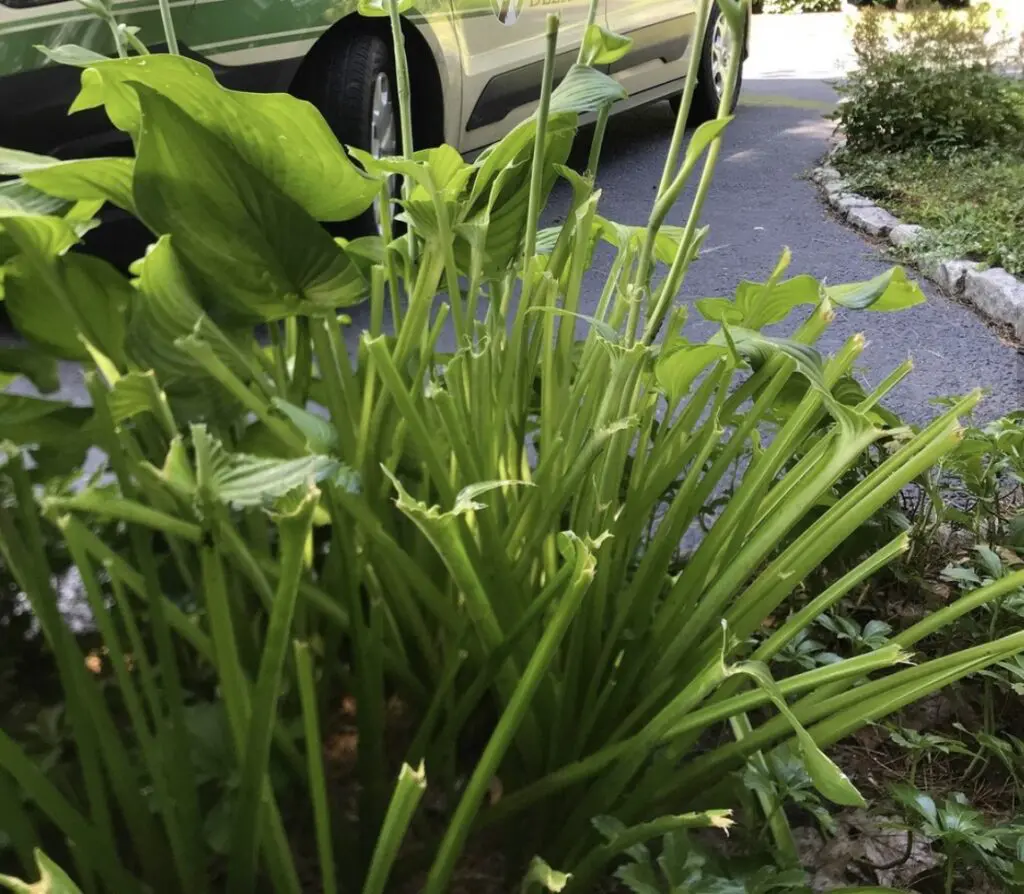
If the same plants or sections of your yard are being targeted, deer may have established a regular nighttime feeding route.
A motion-activated camera can help confirm when deer enter the property, where they travel, and how frequently they return. Position it near damaged landscaping, garden edges, or suspected travel routes.
Motion-activated lights, sprinklers, and noise devices may startle deer initially. However, deer can become accustomed to deterrents that do not present a meaningful threat.
Over time, deer may learn that:
This process is called habituation. Once deer become familiar with a deterrent, they may begin ignoring it and return to their feeding routine.
Changing devices or moving them periodically may help, but temporary scare tactics often require ongoing effort and may not provide consistent protection.
Because deer may hide during the day and feed at night, an effective protection strategy needs to work even when no one is outside.
The goal should be to make your property a less desirable and less rewarding food source.
At ohDEER, we use All-Natural Deer Control treatments designed to affect how deer experience treated landscaping. These solutions help:
Unlike motion devices that only activate when a deer enters a certain area, professional deer control treatments remain on the plants deer are likely to browse.
Consistency is especially important. Regular applications help reinforce that your yard is not a dependable place to feed, even when nighttime conditions would otherwise make the property feel safe.


Not seeing deer does not mean your property is not part of their routine. It may simply mean they have become good at visiting when you are not outside.
Deer activity at night often includes traveling, exploring, and feeding on familiar food sources. During the day, the same deer may remain hidden in nearby woods, brush, or dense vegetation.
That is why deer damage can seem sudden. The problem may have been developing through repeated nighttime visits long before you noticed the first missing flower or damaged shrub.
Understanding deer activity at night is the first step toward protecting your property.
If plants are being eaten, tracks are appearing, or the same areas are being damaged repeatedly, deer may already view your yard as part of their feeding route. Taking action early can help prevent additional damage and keep your landscape from becoming a dependable nighttime food source.
With consistent, All-Natural Deer Control services from ohDEER, you can protect your plants, discourage repeat visits, and get back to enjoying more time outside.
Deer are naturally most active around dawn and dusk. However, deer living in areas with frequent human activity may shift more of their movement and feeding to nighttime, when neighborhoods are quieter.
Deer often feel safer moving after dark because there are fewer people, vehicles, pets, and other disturbances. They may remain in protected bedding areas during the day and approach lawns or gardens at night.
At night, deer commonly travel along established paths, search for food, feed on landscaping, cross open areas, and visit familiar properties. They may also move between feeding and bedding locations.
Deer movement frequently increases after sunset and again before sunrise. The specific timing varies based on the season, weather, food availability, and human activity in the area.
Deer can rest at any time of day or night. They usually alternate between feeding, traveling, resting, and remaining alert rather than following one long sleep schedule.
The deer may be entering your yard after you go inside and leaving before sunrise. Tracks, droppings, torn vegetation, and repeated damage are common signs of nighttime visits.
Motion lights may startle deer temporarily, but they are not always a dependable long-term solution. Deer can learn that the lights do not pose a threat and begin ignoring them.
Look for hoofprints, pellet-shaped droppings, torn plant stems, missing flowers, stripped shrubs, flattened vegetation, and damage that repeatedly appears overnight. A trail camera can also help confirm deer activity.
Consistent deer control is more effective than relying on occasional scare tactics alone. All-natural treatments that make plants smell and taste undesirable can help disrupt feeding habits and encourage deer to move elsewhere.