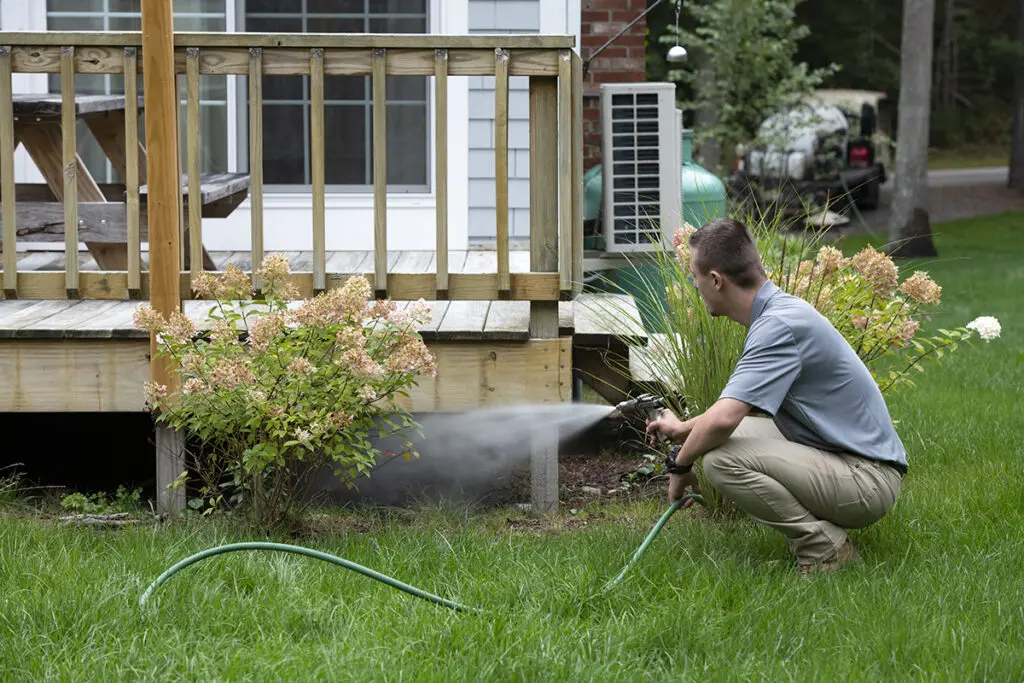


If mosquitoes seem to take over your yard as soon as the weather warms up, there is usually a reason. They depend on specific places to reproduce, find shelter, and survive. Some mosquito habitats are obvious, like a puddle after rain. Others are easy to miss, like water in a flowerpot saucer or the damp space beneath a deck.
Understanding mosquito habitats can help you make your outdoor space less inviting to these pests. This guide covers the mosquitoes you may encounter, where they live, and practical ways to reduce their breeding and resting areas.
A mosquito habitat is an environment that supports mosquitoes during some part of their life cycle. Immature mosquitoes need water with little or no flow: eggs hatch into larvae, larvae become pupae, and adults emerge from the water. Depending on the species, eggs may be laid on water, inside damp containers, or in places that later flood.


Adult mosquitoes also need places to rest. Cool, humid, sheltered areas such as dense shrubs, tall grass, and spaces beneath decks can give them cover. That means a yard can provide both breeding habitats and resting habitats, even when the two are in different places.
More than 200 types of mosquitoes live in the continental United States and its territories. Their habitats and biting patterns vary, but three groups are especially useful to know.

Some Aedes species, including Aedes aegypti and Aedes albopictus, live close to people and use small water-filled containers. Flowerpot saucers, buckets, toys, and tires can become breeding sites. These mosquitoes may bite during the day.
Culex mosquitoes use standing water in places such as neglected pools, ditches, ponds, and containers. Many are active from dusk into the night. Certain Culex species can spread West Nile virus.
Anopheles mosquitoes develop in a variety of aquatic habitats, including the edges of natural or man-made water sources. They can transmit the parasites that cause malaria, although locally acquired malaria is uncommon in the United States.

You do not have to identify the species in your yard to take action. Finding water that collects and stays put is a good place to begin.
Mosquito habitats meet several basic needs:


Water is essential for breeding, but you may encounter adults resting some distance from where they emerged. Checking both kinds of habitat gives you a fuller picture of your yard.
The need for water stays the same everywhere, but climate and landscape shape where mosquito habitats appear.
Mosquito activity is often seasonal. Rain-filled containers, temporary puddles, wetlands, and shaded yards can support mosquitoes during warmer months. Check outdoor items after storms, especially in spring and summer.
Warm, humid conditions can support a longer mosquito season. Marshes and flood-prone areas may contribute, but everyday sources such as clogged gutters, buckets, and neglected pools also matter near homes.
Conditions vary widely. In drier areas, irrigation runoff, water storage, and drainage features can create breeding sites where water would not otherwise collect. Natural water sources also support mosquitoes in some locations.
Parts of Florida, Texas, Hawaii, and other warm regions may experience mosquito activity for much of the year. The species and local disease risks vary, so follow guidance from your local health department or mosquito control program.
Most mosquitoes in the United States are nuisance mosquitoes and do not spread germs. Certain species, however, can transmit infections. Examples include:
You cannot tell whether a mosquito carries a pathogen by looking at it. Along with reducing habitats, protect yourself from bites with an EPA-registered repellent used according to its label and well-maintained door and window screens.
Many breeding sites are ordinary items that hold rainwater longer than expected. Check for:


Also look for adult resting areas: dense shrubs, tall grass, shaded woodlines, and damp areas under decks. Mosquitoes resting in a shrub may have bred elsewhere on your property or nearby.
Empty and scrub buckets, saucers, birdbaths, and other water-holding items once a week. Turn unused containers over, store them inside, or cover them so they cannot refill. Recheck your yard after rain.
Mow overgrown grass and trim dense vegetation, particularly near patios and walkways. This can reduce the cool, shaded places where adults rest. Clear clogged gutters so water can drain properly.
Fix areas where water repeatedly pools for several days. A low spot or blocked drainage path can become a recurring breeding site after every storm.
Keep pools properly maintained, prevent water from collecting on covers, and refresh birdbath water at least weekly. For water that cannot be removed or covered, ask a local mosquito control program or qualified professional about suitable options. Follow the label for any control product.
Professional mosquito control can focus on dense foliage, woodlines, and other shaded places where adults shelter. At ohDEER, we look beyond the lawn to identify vegetation and other likely resting areas while helping you recognize standing water that needs attention.
Mosquitoes can also come from nearby properties or natural areas, so no single step can eliminate every one. Combining habitat reduction, bite prevention, and appropriate treatment can help reduce activity.
Removing standing water interrupts the mosquito life cycle before young mosquitoes become biting adults. Managing shaded resting areas addresses the places adults spend time. Together, these steps form part of an integrated approach to mosquito control.
A short weekly walk around your yard can catch small mosquito habitats before they become bigger problems, especially after rain.
Depending on the species, mosquitoes lay eggs on standing water, inside damp containers, or in places that later flood. Their larvae need water to develop.
Some species can develop in very small amounts of water. Check any container that can hold water for several days, even if it looks too small to matter.
No. Most types in the United States are nuisance mosquitoes, but some can transmit infections. It is sensible to reduce breeding areas and prevent bites.
Rain fills containers and low spots, creating new breeding sites. Humid conditions can also favor adult mosquito activity.
Many rest in cool, shaded, humid places like dense shrubs, tall grass, and spaces beneath decks. Some species also bite during daylight.
Yes. They can enter through doors or damaged screens and rest in dark, humid places. Water-holding containers indoors may also provide breeding sites.
It depends on the species. Some Aedes mosquitoes bite during the day, while many Culex mosquitoes are active around dusk and at night.
Once you know where to look, mosquito habitats become easier to spot: standing water for breeding and sheltered, humid places for resting. Addressing both can help make your yard more comfortable.
ohDEER combines education with All-Natural Mosquito Control to help families enjoy more time outside. If mosquitoes are keeping you from using your yard, contact your local ohDEER team to learn how we can help.