


If you have stepped outside to find missing flowers, clipped vegetable seedlings, or chewed shrubs, you may be asking: why are rabbits eating my plants?
Rabbits eat garden plants because they provide accessible food, especially tender leaves, fresh shoots, and flower buds. Seasonal food shortages, nearby shelter, and increased rabbit activity can make your landscape particularly appealing—even when your lawn has plenty of grass.
Below, we explain what attracts rabbits, how their feeding habits change throughout the year, and practical ways to reduce damage so you can enjoy more time outside.
Rabbits eat grass, clover, and other lawn vegetation, but they also browse a wide range of flowers, vegetables, and woody plants. Having a green lawn does not mean they will leave your garden alone.
Young leaves, seedlings, and fresh shoots are particularly vulnerable. A rabbit can quickly clip a small plant, sometimes removing most of its aboveground growth in one visit.
Your newly planted flower bed or recently sprouted vegetables may offer an appealing food source alongside the grass already growing nearby. Even established plants can become targets when they produce fresh growth.
Rabbits do not follow one fixed menu. Their choices depend on available plants, the season, and local conditions.


A garden near dense shrubs, tall vegetation, or a wooded edge puts food close to hiding places. For a rabbit, that combination makes a property convenient for both feeding and shelter.
The location of your plants can help explain why one bed experiences repeated damage while another remains untouched.


Rabbits feed year-round, but the plants they target change as different food sources become available. Understanding this seasonal pattern helps you know where to look for damage.
Spring brings fresh vegetation and plenty of vulnerable new growth. Newly emerging flowers and vegetables can be damaged before they have time to establish themselves.
Plants that may attract spring feeding include:
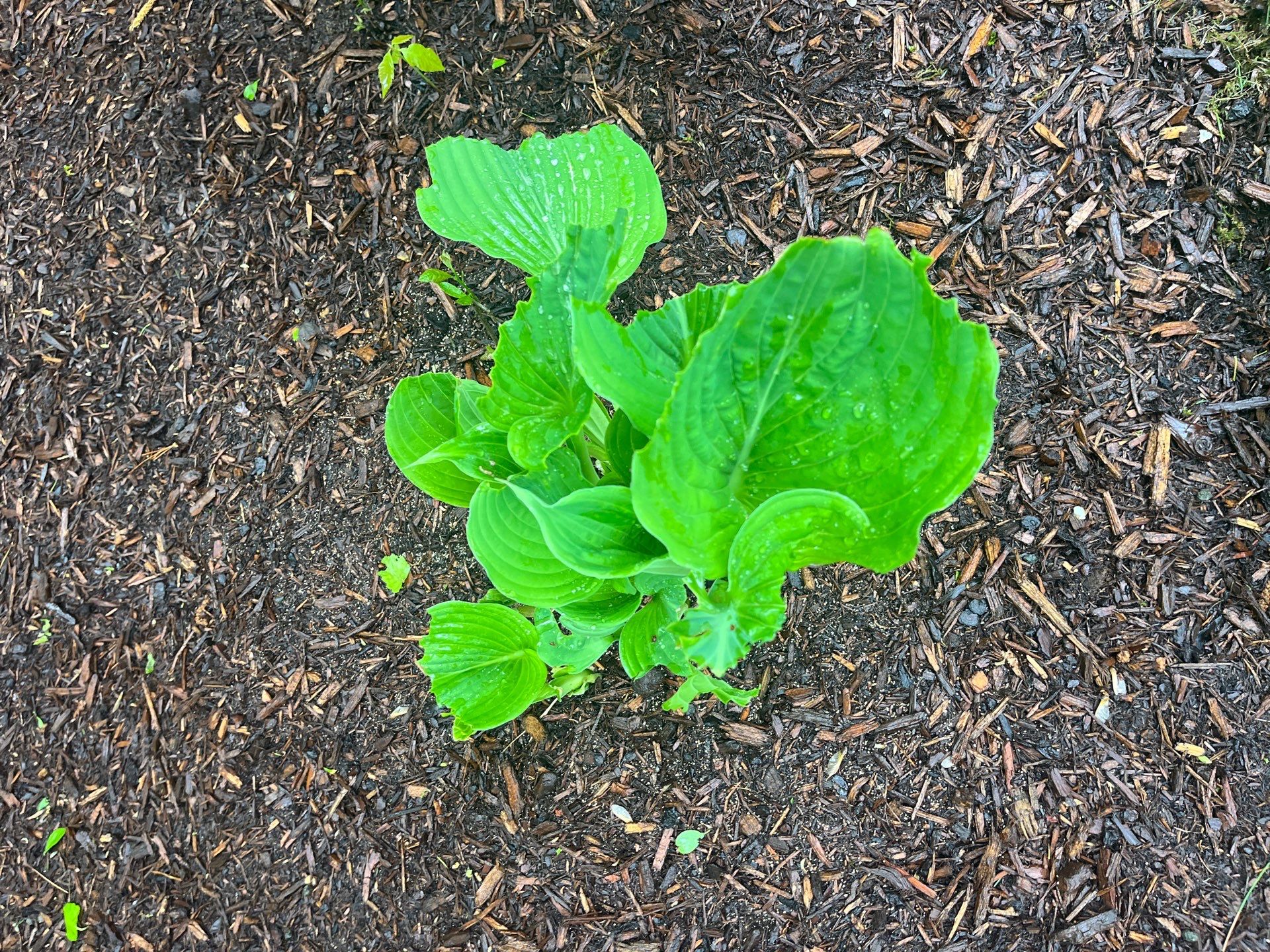

If a plant disappears shortly after planting, check for clipped stems and other signs of rabbit activity before replacing it in the same unprotected spot.
During summer, rabbits have a broad selection of plants available. They may move between lawns, ornamental beds, and vegetable gardens rather than feeding in just one area.

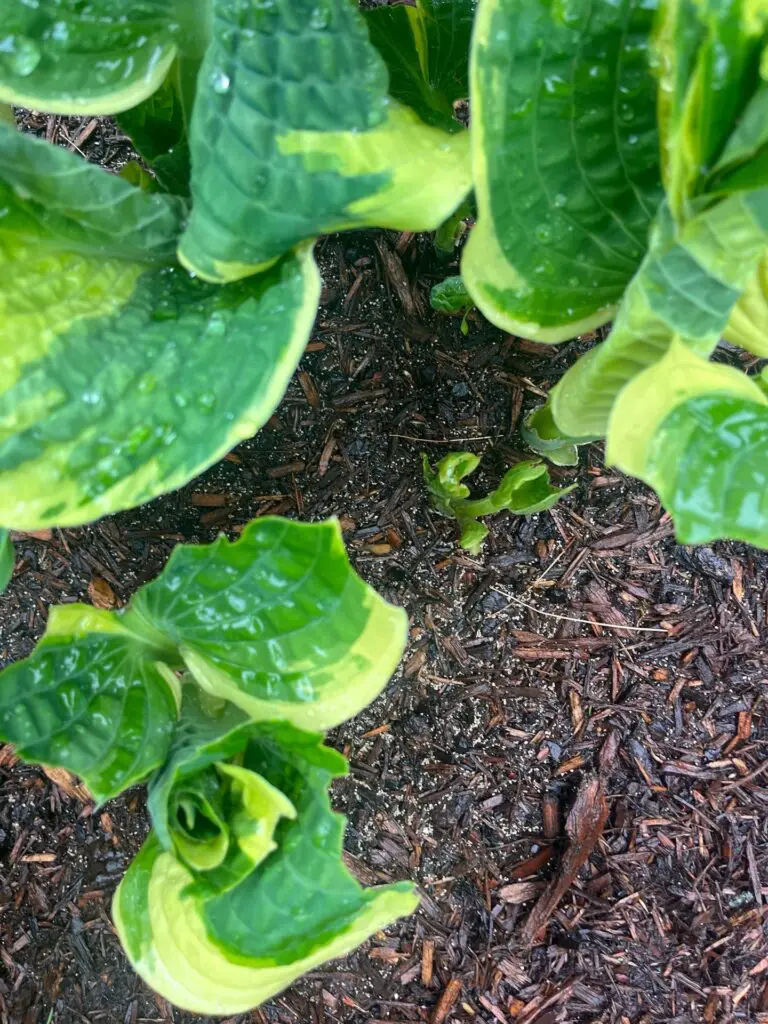
Check newly planted summer annuals and successive vegetable plantings regularly. Small plants can sustain substantial damage even when only a few rabbits visit.
As flowers fade and garden crops finish producing, rabbits have fewer soft plants to choose from. They may continue feeding on available greens while turning increasingly to woody vegetation.
Fall damage may affect remaining vegetables, groundcover, shrub shoots, and accessible stems. A flower bed that was untouched earlier in the year may receive attention as surrounding food sources change.
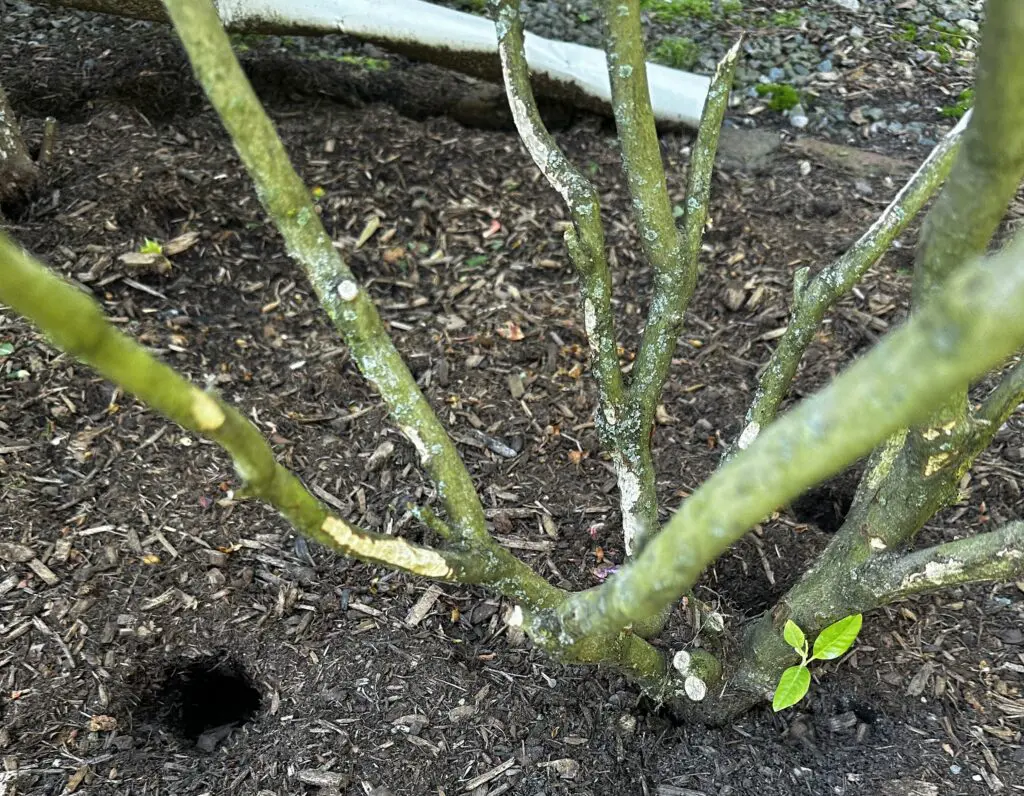

Do not assume rabbit activity ends when summer does. Keep monitoring susceptible plants as the growing season winds down.
When vegetation becomes dormant or snow covers the ground, rabbits may feed on bark, buds, and twigs. Young trees with thin bark can be especially vulnerable.
Winter damage can affect fruit trees, ornamental trees, roses, and other shrubs. Snow also allows rabbits to reach areas above their usual feeding height.
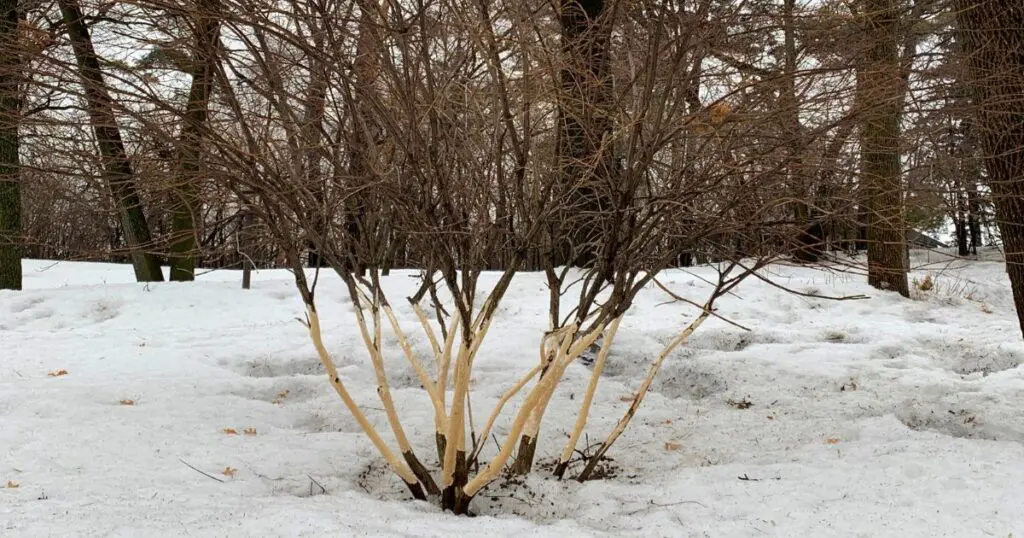

Unlike a missing flower, bark damage can have lasting consequences. Chewing that completely encircles a trunk or stem, called girdling, can kill growth above the damaged area. Check winter protection after snowfall and inspect young trees before spring growth begins.
It is frustrating when rabbits begin eating a plant they previously ignored. A sudden change does not necessarily mean the plant itself has changed. Conditions around your yard may have shifted.
Seasonal changes, mowing, garden cleanup, or dry weather can reduce nearby vegetation. When familiar feeding options disappear, rabbits may start browsing different plants.
This helps explain why damage sometimes begins late in the season or after a change in the surrounding landscape.
Rabbits can produce multiple litters during a breeding season. More animals feeding nearby can increase pressure on flower beds and gardens.
However, substantial damage does not always indicate a large population. A small number of repeat visitors can still damage vulnerable plantings.
A new flush of leaves, recently planted annuals, or replacement seedlings may attract attention even if older growth remained untouched.
When checking for damage, focus on the youngest growth rather than looking only at the plant as a whole.
If rabbits can easily reach a desirable plant, repeated feeding may continue. Replacing damaged flowers without addressing access can leave the replacements exposed to the same problem.
Notice where feeding recurs and prioritize protection there. That pattern is often more useful than trying to predict which plant rabbits will choose next.
Rabbits can browse many garden plants, but preferences vary. A plant that grows undisturbed in one neighborhood may suffer damage in another.
Susceptible garden plants can include:

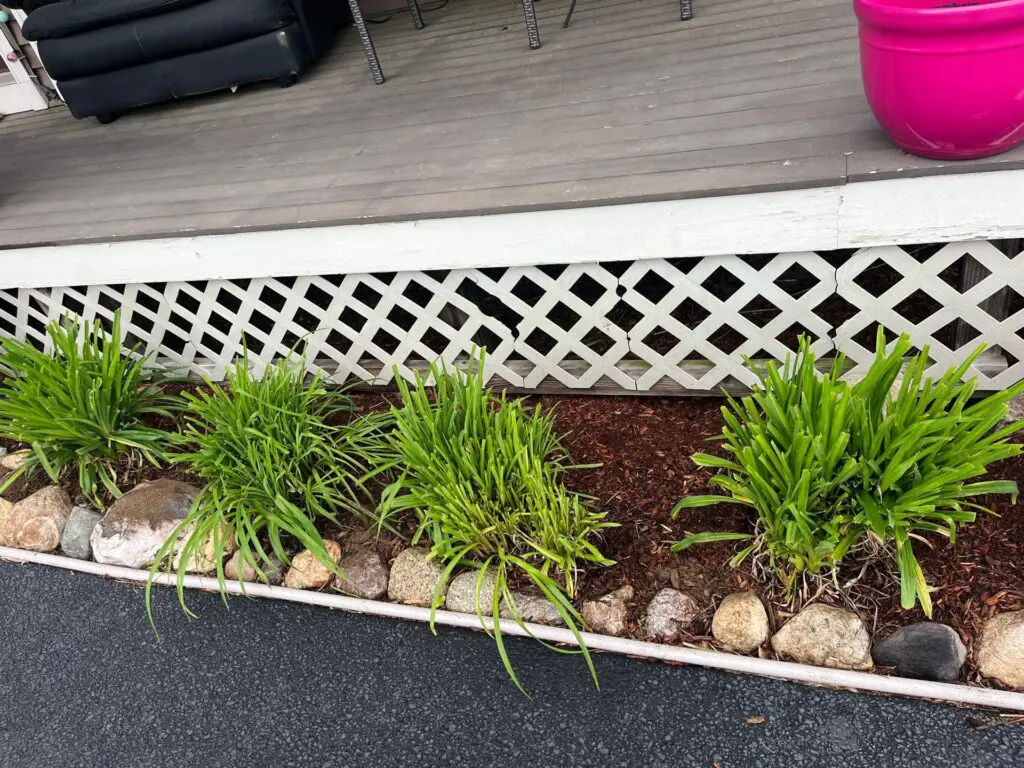
Young plants and accessible new growth deserve particular attention. Rather than relying on a universal list of rabbit favorites, use the damage you observe to identify your yard’s most vulnerable plants.
Rabbits commonly damage leafy greens and crops such as lettuce, beans, peas, cabbage, and carrot tops. Closely planted seedlings can provide plenty to eat in a small area.


There is no reliable rule that rabbits will always choose vegetables before flowers. A garden’s location, available cover, and the plants growing nearby all influence where feeding occurs.
Some plants are generally less appealing than others. Options often described as rabbit-resistant include lavender, catmint, yarrow, daffodils, and alliums.
These plants may help diversify a landscape that experiences repeated browsing, but resistance is not a guarantee. Rabbits may sample less-preferred plants when other food is scarce.
Ask a local nursery about suitable options for your growing conditions and the browsing patterns seen in your area.
Rabbits are often active around dawn and dusk and may feed at night. That is why homeowners can discover fresh damage without ever seeing the animal responsible.
A quiet garden may offer feeding opportunities while you are indoors. By morning, a clipped seedling or missing flower can make the damage seem sudden.
Rabbits can also appear during daylight hours, so daytime sightings are not unusual. Check affected areas at different times, or use a wildlife camera if you need help identifying visitors.
Before choosing a prevention method, confirm what is eating your plants. Deer, insects, voles, and other animals can also cause garden damage.
Rabbits’ sharp front teeth often leave smooth, angled cuts on stems. The damage may resemble a cut made with pruning shears. Deer browsing more often leaves torn or ragged edges.

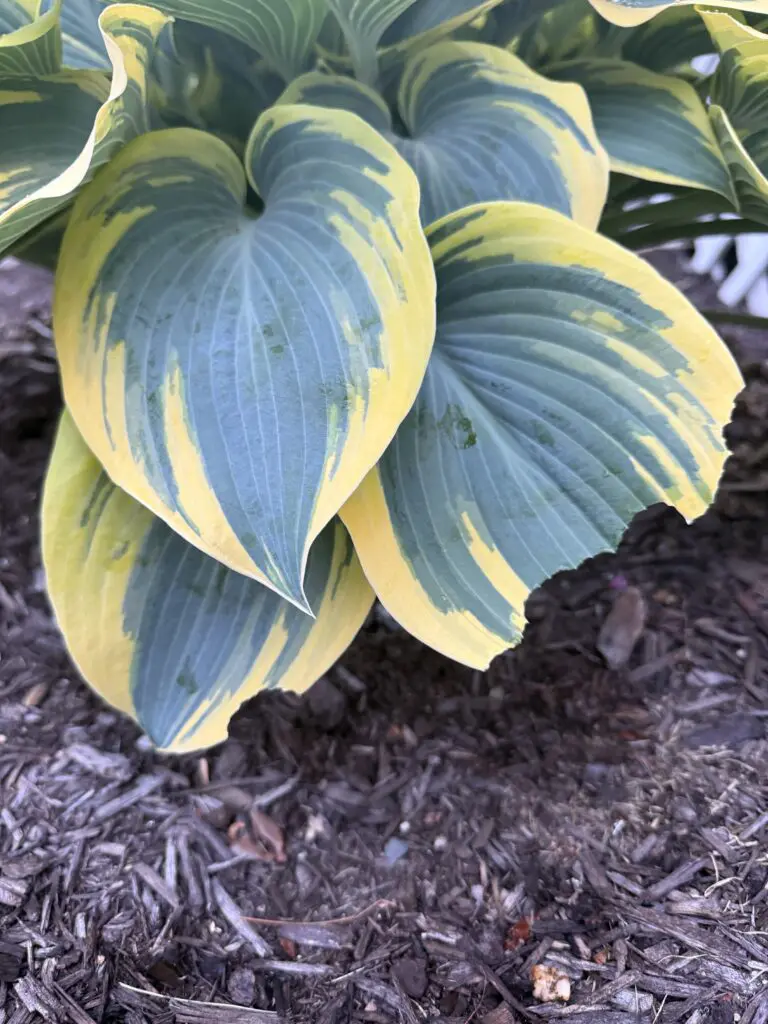
Rabbit feeding usually affects vegetation close to the ground. Missing lower leaves, clipped seedlings, and chewed low branches can provide useful clues. In winter, account for the height of accumulated snow.


Small, round droppings near damaged beds support the possibility of rabbit activity. Tracks in snow or soft soil may provide additional evidence.
Use several clues together. Missing flowers alone do not prove rabbits are responsible, and different animals may visit the same yard.
Once you identify the problem, combine protection methods that suit your landscape. The goal is to reduce access to vulnerable plants and make repeated feeding less convenient.
Fine-mesh fencing is a practical way to exclude rabbits from vegetables and susceptible flowers. Choose mesh small enough to prevent entry, secure the bottom against the ground, and close gaps around gates.
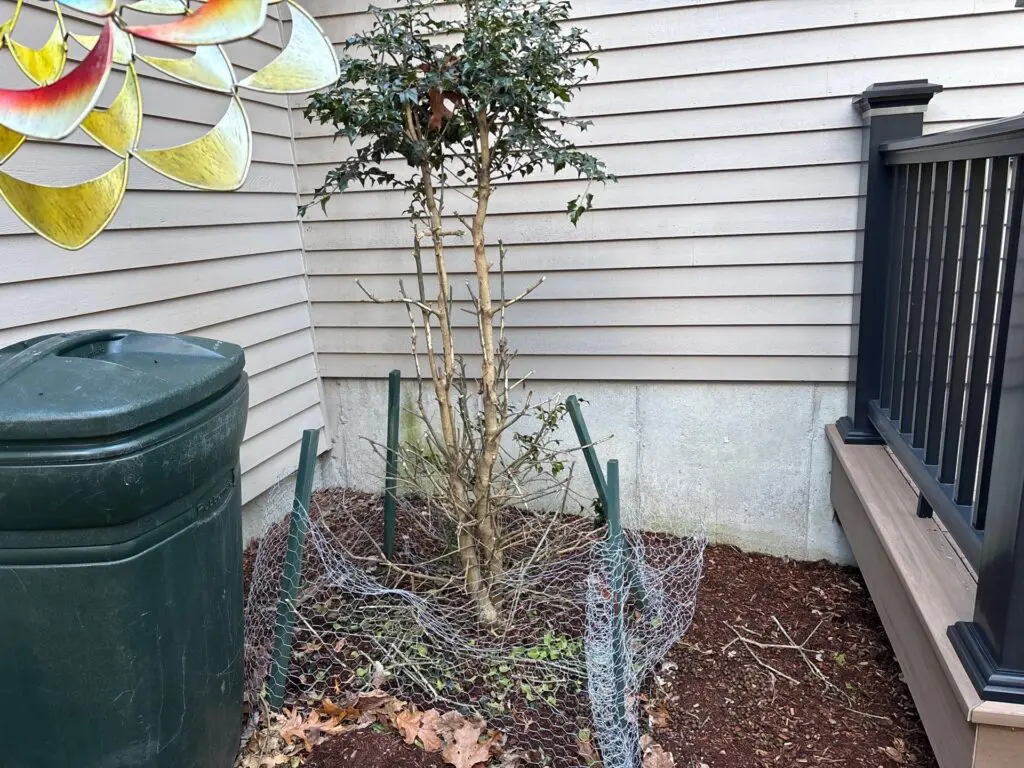

Inspect barriers regularly, especially after yard work. A fence cannot protect a bed if rabbits can squeeze beneath it or enter through an opening.
Tree guards and wire enclosures can help protect thin bark and vulnerable growth. Leave space for the plant to grow and make sure the barrier protects the areas rabbits can reach.
Before winter, consider expected snow depth. A guard that works at ground level may leave bark exposed once rabbits can stand on packed snow.
Remove unnecessary brush piles and manage overgrown vegetation near damaged beds. Where practical, block access beneath structures that provide shelter, first checking that animals are not inside.
You do not need to remove all landscaping. Start with the cover immediately surrounding plants that repeatedly experience feeding damage.
Rabbit repellents discourage browsing through taste or smell. Results vary, and treatments may need renewal as plants grow or weather affects coverage.
Follow the product’s application directions, including any restrictions for edible plants. A product intended for ornamental landscaping may not be appropriate for vegetables or herbs.
Walk your garden regularly and check seedlings, replacement plants, and fresh shoots. Early attention gives you a chance to strengthen protection before another feeding visit.
Knowing why rabbits are eating your plants helps you take a more informed approach to protecting your landscape. Tender growth, accessible food, nearby shelter, and seasonal changes can all contribute to repeated browsing.
ohDEER offers All-Natural Rabbit Control to help discourage feeding on your landscape plants. Your local team can discuss the damage you are seeing and how Rabbit Control fits alongside barriers and other prevention measures.


Whether rabbits are targeting spring flowers or winter shrubs, addressing the problem early can help protect the time and care you put into your yard.
Contact your local ohDEER to learn about All-Natural Rabbit Control and enjoy more time outside.
Rabbits eat a variety of vegetation. Tender garden plants offer additional feeding options, and nearby shelter can make those plants convenient to reach.
Changing food availability, fresh growth, and more rabbits visiting your yard can cause new damage. Plants previously ignored may become targets as conditions change.
Yes. Rabbits can feed on both, including susceptible flowers, leafy greens, beans, and peas. Preferences vary by season, location, and availability.
They may be. Rabbits often feed around dawn and dusk and can remain active at night, making garden damage difficult to witness.
Yes. Rabbits may chew bark, buds, and twigs when other food is limited. Young trees need particular attention because severe bark damage can be fatal.
No. Less-preferred plants can help, but no planting choice guarantees protection. Combine plant selection with barriers and regular monitoring.
A properly installed fine-mesh fence is a dependable starting point. Secure the bottom, close gaps, and protect new seedlings before damage begins.