


Deer eat leaves, tender shoots, buds, twigs, flowers, fruits, nuts, and agricultural crops. White-tailed deer rely heavily on leafy browse and broadleaf plants, adding foods such as berries and acorns when available. Their diet changes with the seasons, local vegetation, and nutritional needs.
That helps explain why your tulips might disappear in spring, your hostas get an unwanted trim in summer, and your evergreen hedge looks thinner by winter. Different seasons bring different opportunities for deer to help themselves.
At ohDEER, we know your landscaping represents more than a trip to the garden center. It’s the flowers you look forward to seeing, the shrubs that give your backyard privacy, and the outdoor space you’ve made your own.
Understanding what deer eat can help you anticipate browsing and protect the plants you love. Here’s what’s on the menu throughout the year, with guidance from university researchers and wildlife specialists.
According to Mississippi State University’s Deer Ecology & Management Lab, browse, forbs, and mast make up more than 85% of the overall white-tailed deer diet. Those terms describe familiar foods:


Deer also eat some grasses, mushrooms, lichens, and cultivated crops. However, a deer standing in a grassy field isn’t necessarily eating the grass itself. It may be selecting broadleaf plants growing among it.
This guide focuses on white-tailed deer, the species familiar to many homeowners in ohDEER service areas. Other deer species and habitats can have different feeding patterns.
Deer select food from what is available, accessible, and nutritious. New spring leaves offer different options than a frozen winter landscape, while a productive oak tree can provide a seasonal supply of acorns.
Mississippi State University Extension explains that deer favor digestible, nutritious plant parts. Spring and early-summer growth can provide valuable protein and carbohydrates, while fall foods such as acorns and persimmons help support fat reserves.
For homeowners, this means your yard’s appeal can change without you planting anything new. The same property may offer tender perennials in spring, leafy shrubs in summer, and accessible evergreen foliage in winter.
Use the calendar below as a seasonal guide, not an exact feeding schedule. Plant growth, snowfall, drought, and food availability vary by region. An April garden in New England may look very different from one in the Southeast.
In northern climates, January’s menu often includes woody browse, leaf buds, and evergreen foliage. Mississippi State’s Deer Lab identifies buds and evergreen leaves as especially important northern winter foods.


For your yard, that makes winter a good time to inspect shrubs you might otherwise overlook until spring. Walk along privacy hedges and compare the lower branches with the upper growth. Photograph any thinning so you can tell whether damage is progressing.
You don’t have to wait for gardening weather to start a protection plan. If a particular hedge was browsed last winter, put it on your monitoring list now.
February often brings a continuation of winter feeding patterns. Prolonged snow cover can limit access to low-growing vegetation, leaving exposed woody plants vulnerable.


However, cold weather does not automatically mean deer eat more. Tufts University’s Cummings School of Veterinary Medicine explains that deer naturally reduce feeding and activity in winter while using stored body fat and available vegetation.
Keep checking plants that already show damage. A quick photo after a snowy week can be more useful than trying to remember how full a shrub looked a month ago. Make winter inspections part of your routine, even when the rest of the garden is dormant.
March’s menu depends on local conditions. Where winter persists, deer continue using woody browse. Where growth resumes, emerging vegetation provides fresh options.


This is a useful month to look backward and forward. Which shrubs were browsed during winter? Which flower beds attracted deer last spring? Make a short list before planting season gets busy.
Check protective barriers, photograph existing damage, and discuss vulnerable areas with your local ohDEER team. Preparing while plants are still emerging gives you time to act before a favorite bed becomes a repeat stop.
As spring growth develops, deer feed on tender shoots, leaves, and flower buds. UConn Extension notes that deer seek soft new vegetation in spring, including delicate buds.


That’s frustrating timing when you’ve spent months waiting for your garden to bloom. A missing flower can represent an entire season’s anticipation, especially with spring bulbs.
Add deer protection to your planting checklist alongside soil preparation and watering. Prioritize beds with a history of browsing, and check new growth regularly. Planning early is easier than trying to identify every missing stem after damage has already occurred.
May often brings abundant leafy growth. The Mississippi Department of Wildlife, Fisheries, and Parks explains that broadleaf plants provide nutrition during spring and summer, when bucks grow antlers and does prepare for fawning.


Your own May calendar may include planting annuals, updating borders, or adding shrubs. Each project is a chance to reconsider which plants need protection.
Let your ohDEER team know about new landscaping rather than assuming it is covered by an earlier plan. A few newly planted favorites deserve attention just as much as an established hedge.
In June, deer continue eating leafy browse and broadleaf vegetation, with cultivated plants and seasonal fruits available in some locations.


A green woodland behind your home doesn’t guarantee deer will leave your landscaping alone. Your garden is another available feeding area, and individual plant choices matter.
As you water and weed, take a moment to inspect leaves, stems, and blooms. Check garden gates and look for gaps in protective barriers. If something is being eaten, record which plant is affected instead of assuming the whole yard needs the same response.
Summer feeding can include leaves, soft-stemmed vegetation, berries, and crops. What is ripe or actively growing locally matters more than the date on the calendar.


July is also a good time to check your garden from a different angle. Walk around the back of a perennial bed, look behind shrubs, and inspect plants along the property edge. Browsing can be easier to miss when you usually see the yard from the same patio chair.
If you’re leaving for vacation, add a quick landscaping check to your preparations. Photos taken before you go can help you spot changes when you return.
Late summer can still offer leafy browse, fruits, and garden crops. Don’t treat the end of peak flower season as the end of deer activity.


Weather deserves attention, too. Iowa State University Extension identifies weather and alternative food availability among the factors affecting browsing. A dry August and a rainy August may bring different conditions around your property.
Continue checking previously damaged plants, especially if you’re replacing summer annuals or installing new shrubs. Keep a simple record of what changed and when. That information helps you discuss your yard’s needs without relying on a general seasonal assumption.
As local trees produce fall foods, acorns and other mast can become important. Mississippi State Extension describes acorns and persimmons as carbohydrate sources used as deer build fat reserves.


The timing and abundance of these foods vary. You may notice fallen acorns beneath one tree and very few beneath another, or a very different crop from the previous year.
Observe what is happening around your own property. Even if one flower bed looks untouched, keep checking newly planted shrubs and other vulnerable areas. A temporary break from browsing is a helpful observation, not a reason to stop monitoring.
Acorns, available fruits, remaining green vegetation, and browse can all feature in the fall diet.


But missing foliage isn’t the only damage to watch for. Bucks can injure trees by rubbing their antlers against the bark. Iowa State University Extension distinguishes antler rubbing from feeding damage because the response needs to match the problem.
Inspect young tree trunks as well as branches. If bark looks scraped or shredded, ask about appropriate guards or protective cages. Don’t assume a treatment designed to discourage eating will prevent rubbing. Identifying the cause is the first step toward useful protection.
November may overlap with breeding activity in northern areas, but it does not mean every deer stops feeding. MassWildlife’s guidance on the rut describes how behavior changes across the breeding season, including continued feeding by female family groups during the pre-rut.


For your yard, the practical takeaway is to keep watching rather than assigning November a universal risk level.
Before you put the garden tools away, inspect shrubs, check tree protection, and note any fresh damage. Use the visit to identify which plants you want to prioritize through winter, especially those that were browsed last year.
In cold regions, deer increasingly depend on available browse and evergreen foliage as other vegetation becomes less accessible. Milder areas may retain green plants longer.
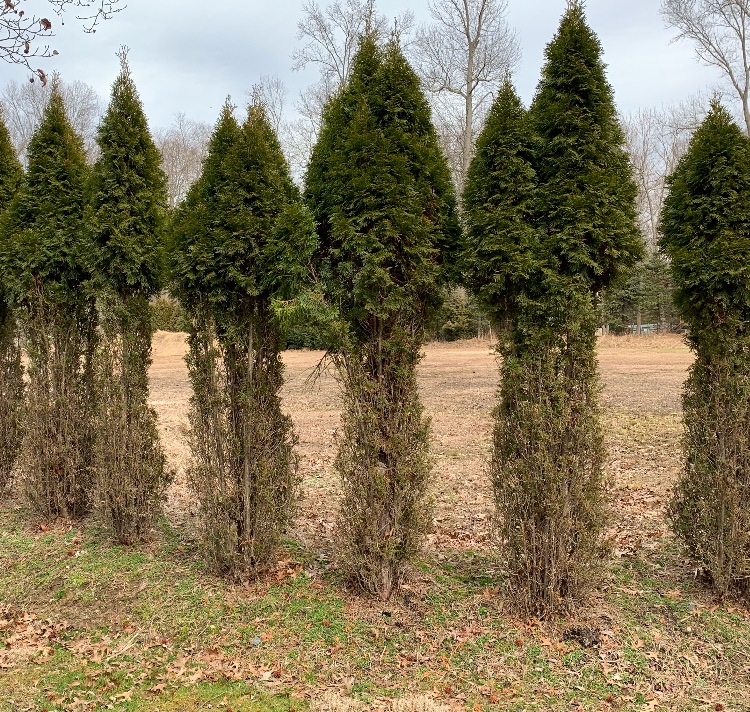
University of Minnesota Extension includes animal browsing among the winter threats to trees and shrubs and recommends physical protection where appropriate.
Take a few minutes to photograph your landscape before winter progresses. Include the shrubs you see from your windows and the plants tucked out of sight. Those photos give you a useful baseline for January and February, when gradual thinning can otherwise be easy to overlook.
Deer can browse many ornamental and edible plants. Iowa State’s plant susceptibility guide helps homeowners compare plants by their likelihood of damage, while emphasizing that preferences vary.
Commonly vulnerable landscaping includes hostas, tulips, daylilies, arborvitae, and yews. For example, Iowa State’s hosta guidance describes how quickly deer can strip hosta foliage.


Before choosing replacements for a damaged bed, consider your local conditions and the plants deer have already targeted. A regional deer-resistant plant list is a helpful starting point, but it cannot predict exactly what deer will eat in your yard.
Start with the areas that matter most to you. That might be a favorite flower bed, a vegetable garden, or the hedge that provides privacy around your patio.
ohDEER’s All-Natural Deer Control is designed to discourage feeding by making treated landscaping smell and taste unappealing to deer. Our local teams focus on vulnerable plants and consistent applications, with seasonal and annual options for different property needs. Let your team know when you add landscaping or notice fresh browsing between visits so they can assess the situation.
You’ve put care into choosing and growing your plants. We’re here to help you spend more time enjoying them. Together, we can plan for the spring flowers, summer foliage, and winter shrubs that make your outdoor space feel like home.


Yes, deer eat some grasses, particularly tender young growth, but grass is not usually the main part of a white-tailed deer’s diet. The Mississippi wildlife department identifies browse and broadleaf plants as more important food groups.
There is no single favorite food everywhere. White-tailed deer rely heavily on browse and broadleaf plants, while nuts and fruits become important when available. Local habitat and season shape the balance.
Yes. Acorns are a valued fall food where oaks produce them. They provide energy, but their availability changes by location and year. An acorn crop does not guarantee nearby landscaping will escape browsing.
No. Tufts advises against supplemental winter feeding because sudden dietary changes can disrupt digestion, while feeding sites concentrate deer and increase disease risks. Protecting your landscaping is a better approach than putting out food to redirect them.
Yes. Iowa State cautions that even plants rated as rarely damaged may be browsed. Think of deer resistance as one part of a protection plan, especially if your neighborhood has persistent deer activity.
Knowing what deer eat helps you look at your yard through the seasons: emerging flowers, leafy summer beds, fall plantings, and winter greenery all deserve attention.
You don’t need to predict every visit. Start with the plants you love, watch for changes, and plan ahead for recurring damage.
Contact your local ohDEER team to learn about All-Natural Deer Control and find a protection plan that helps you Enjoy More Time Outside.


