


When homeowners search their yards for standing water, they often check bird baths, buckets, flowerpots, and children’s toys. However, one of the most overlooked mosquito breeding sites may be located directly above them: their gutters.
Mosquitoes in gutters can become a serious problem when leaves, dirt, and other debris prevent rainwater from draining properly. Even a small amount of trapped water can give mosquitoes the environment they need to lay eggs and reproduce.
If plants or weeds are growing from your gutters, the issue goes beyond routine home maintenance. Vegetation is a sign that organic material and moisture have been collecting for an extended period. Underneath those plants may be pockets of stagnant water where mosquitoes can complete their life cycle.
Understanding how mosquitoes use clogged gutters can help you reduce mosquito activity around your home and enjoy your yard with fewer bites throughout the season.
Mosquitoes need standing water to reproduce.
Female mosquitoes lay their eggs either directly on stagnant water or in damp areas that are likely to flood. Once the eggs hatch, mosquito larvae live and develop in the water before eventually emerging as flying adults.
During warm weather, this process can happen surprisingly quickly. Depending on the mosquito species and environmental conditions, mosquitoes may complete their development from egg to adult in approximately one week.
This means that water does not need to sit for an entire season to cause a problem. A small pocket of water that remains in a clogged gutter for several days may be enough to produce a new generation of mosquitoes.
Yes, mosquitoes can breed in gutters when water becomes trapped inside them.
Gutters are designed to collect rainwater from your roof and direct it away from your home through downspouts. When the system is clean and functioning properly, water should continue moving instead of remaining stagnant.
Over time, gutters can collect:


As this material accumulates, it can block the movement of water. Instead of draining through the downspout, rainwater becomes trapped between layers of leaves, dirt, and debris.
These small pools of water may be difficult to see from the ground, but they can create ideal conditions for mosquitoes in gutters. The surrounding debris provides shade and protection while helping the water remain in place long after a storm has passed.
It may look funny to see a weed or small plant growing along your roofline, but gutter vegetation is an important warning sign.
Plants require moisture, organic material, and time to become established. If something is growing in your gutter, enough dirt and decomposed debris have likely accumulated to create soil-like conditions.
That debris can act like a sponge, absorbing and holding rainwater instead of allowing it to drain. Even if you cannot see an open pool of water, wet organic material may conceal small pockets of stagnant water underneath the surface.
Those hidden pockets can become mosquito breeding sites.
Simply pulling out the visible plant may not solve the underlying problem. The roots, dirt, leaves, and remaining debris should also be removed so water can flow freely through the entire gutter system.

One of the most common misconceptions about mosquitoes is that they need a pond, swamp, or large puddle in order to reproduce.
In reality, many mosquitoes can develop in very small amounts of standing water. A bottle cap, plant saucer, folded tarp, or shallow gutter can hold enough water for mosquitoes to lay eggs.
Clogged gutters often contain multiple small pockets of water hidden beneath leaves and decomposing debris. Because gutters are elevated, shaded, and protected from regular yard activity, the water may remain undisturbed for days.
These conditions give mosquito larvae time to develop without homeowners realizing there is a problem above their roofline.
Temporary puddles on driveways or lawns may dry relatively quickly after a storm. Clogged gutters can hold moisture for much longer.
They may provide mosquitoes with:
Every new rainstorm can replenish the water trapped inside the gutter. If the blockage remains in place, the same gutter may continue supporting mosquito activity throughout the spring, summer, and early fall.
Because most homeowners cannot easily see inside their gutters, mosquitoes may reproduce there repeatedly before the source is identified.
Mosquitoes do not remain inside the gutters once they reach adulthood.
After emerging, adult mosquitoes spread across the property looking for hosts, moisture, shade, and sheltered places to rest. Depending on the species and surrounding environment, they may remain relatively close to the breeding site or travel to nearby properties.
Adult mosquitoes commonly rest in:
If your gutters continuously produce new mosquitoes, you may notice increasing activity around patios, play areas, gardens, and other parts of your yard.
Cleaning the gutters will not prevent every mosquito from entering your property, but it can eliminate one potential source located close to your home.
Mosquito bites can quickly make an otherwise pleasant yard uncomfortable for family members and guests. The bites may cause itching, swelling, and skin irritation. Excessive scratching can also increase the risk of a secondary skin infection.
Mosquitoes are also capable of transmitting certain diseases to people and animals. Not every mosquito carries a disease, and the level of risk varies by mosquito species and location. Still, reducing mosquito populations and eliminating mosquito breeding sites can help reduce opportunities for bites.
The fewer places mosquitoes have to reproduce around your home, the fewer new adult mosquitoes may emerge nearby.
You do not necessarily need to climb onto the roof to recognize a possible gutter problem. Many signs of poor drainage can be spotted from the ground.
Watch for:


These signs do not automatically prove that mosquitoes are breeding in the gutters, but they suggest the system may not be draining correctly and should be inspected.
Preventing mosquitoes from breeding in gutters begins with regular maintenance. The goal is to keep water moving so it cannot remain stagnant long enough for mosquitoes to develop.
Remove leaves, sticks, dirt, and other material that can trap water or block drainage.


Many homes benefit from gutter cleaning at least twice a year, commonly during the spring and fall. However, the ideal schedule depends on the number and types of trees surrounding your property.
Homes near mature trees or pine trees may require more frequent cleaning. Leaves, needles, and seed pods can accumulate quickly, especially during storms or seasonal changes.
If you are not able to inspect or clean the system safely, consider hiring a qualified gutter-cleaning professional.


Cleaning the horizontal gutter channels will not solve the problem if the downspouts are still blocked.
Make sure water can travel through the entire system and exit away from the foundation. If water continues to pool after the visible debris has been removed, a clog may be located farther down the downspout.
If plants are growing in your gutters, remove more than the visible leaves and stems. Plant roots may be attached to a thick layer of decomposed organic material underneath.


Removing the plant without clearing the remaining debris may leave the gutter unable to drain. A thorough cleaning is necessary to remove the soil-like material and hidden pockets of water.
Strong winds and heavy rain can fill gutters with new leaves, branches, and roof debris.
A visual inspection after a major storm can help you catch potential blockages before water remains trapped for several days. Check for overflowing water, uneven sections, and downspouts that appear to be draining slowly.
Gutter guards may reduce the amount of large debris that enters the system, but they do not make gutters maintenance-free.
Small seeds, dirt, pine needles, and roof grit can still pass through or collect on top of the guards. Periodic inspection and cleaning remain important for preventing clogs and mosquitoes in gutters.
Your gutters may not be the only place holding water. Once they have been inspected, walk around the rest of your property and look for other potential mosquito breeding sites.
Check:


Empty or refresh water frequently, and turn movable containers upside down when they are not being used. Even small items can collect enough rainwater to support mosquito development.
If mosquito activity seems to increase following a rainy week, the timing is not a coincidence.
Rain creates new sources of standing water throughout a property. Some puddles evaporate quickly, but water trapped in containers, drains, or clogged gutters may remain much longer.


Each additional storm can refill these hidden habitats. Female mosquitoes then have more opportunities to lay eggs, and existing eggs may hatch when exposed to water.
Homeowners may empty a bird bath or flowerpot and still experience mosquito problems because less visible sources remain. Mosquitoes in gutters can be particularly easy to overlook because the water is located above eye level and hidden beneath debris.
Checking your gutters before and during periods of frequent rainfall can help interrupt this repeating cycle.
Many homeowners do not think about mosquito control until adult mosquitoes are already biting.
By that point, the mosquitoes have completed the aquatic stages of their life cycle and left the standing water where they developed. Finding and eliminating breeding sites early can help stop some mosquitoes before they become flying adults.
Routine property maintenance is an important part of long-term mosquito prevention. Cleaning gutters, correcting drainage problems, and removing standing water early in the season can make your property less inviting to mosquitoes.
It is also important to continue checking throughout mosquito season. A clean property can develop new breeding sites following storms, landscaping work, outdoor projects, or the arrival of seasonal debris.
Source reduction means removing or correcting places where mosquitoes can lay eggs and develop.
Eliminating standing water interrupts the mosquito life cycle before adult mosquitoes emerge. It also addresses the source of the problem instead of focusing only on the mosquitoes currently flying around the yard.
Simple steps such as cleaning gutters, emptying containers, maintaining fountains, and correcting drainage issues can reduce the number of available mosquito breeding sites.
No property-maintenance routine can eliminate every mosquito, especially when nearby properties or natural areas contain standing water. However, reducing the sources you can control is an important part of creating a more comfortable outdoor environment.
Even a carefully maintained yard may still experience mosquito activity. Mosquitoes do not recognize property lines and may travel into your yard from neighboring properties, wooded areas, wetlands, storm drains, or other untreated habitats.
This is why some homeowners combine source reduction with professional mosquito control.
Professional mosquito treatments are designed to target areas where adult mosquitoes commonly rest, such as shaded vegetation and dense landscaping. When combined with the removal of standing water, these services can provide a more comprehensive approach to managing mosquito populations around the property.
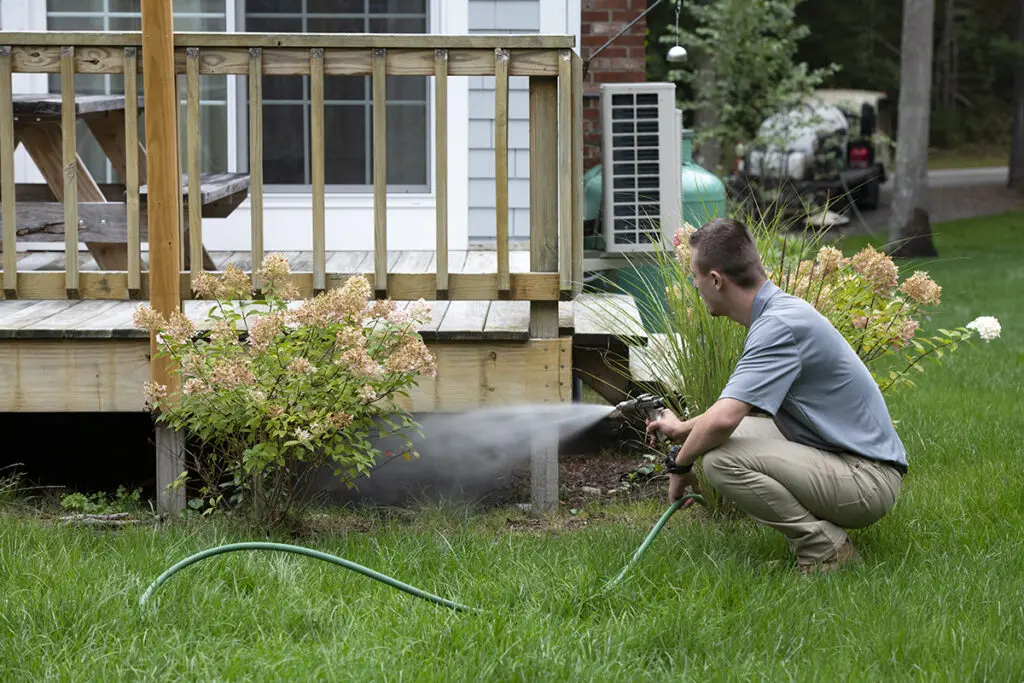
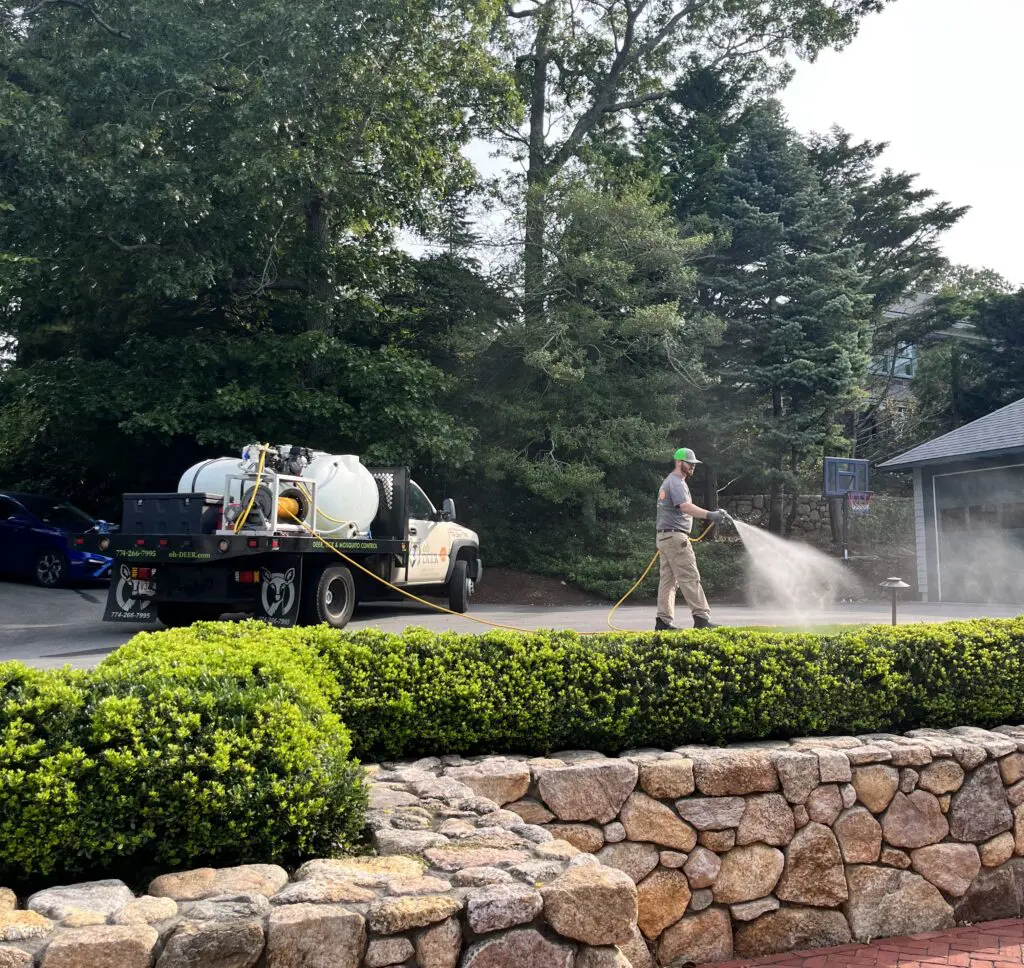
Treatments should not replace gutter maintenance. Clearing clogged gutters helps remove a potential breeding source, while professional mosquito control targets adult mosquitoes already resting in the yard.
Yes. Do mosquitoes breed in gutters that drain properly? Typically, moving water is less suitable for mosquito development. The primary concern is a clogged or damaged gutter that allows stagnant water to remain for several days.
During warm weather, some mosquitoes can develop from egg to adult in approximately 7 to 10 days. Development time varies by mosquito species, temperature, and environmental conditions.
Many homes benefit from gutter cleaning at least twice a year. Properties surrounded by mature trees may need more frequent attention, particularly after storms and during periods of heavy leaf or seed drop.
Plants in gutters are a strong indication that organic debris and moisture have accumulated. Although vegetation does not prove mosquitoes are present, the same damp conditions supporting the plant may also create a suitable mosquito breeding site.
Gutter guards may reduce the amount of large debris entering the gutters, which can help prevent clogs. However, smaller materials can still accumulate, so gutter guards should be inspected and cleaned periodically.
No. Different mosquito species use different habitats. Some can reproduce in relatively clean standing water, while others prefer water containing organic material. Any area that holds stagnant water for several days should be addressed.
Professional treatments can reduce adult mosquito activity around a property, but clogged gutters should still be cleaned. Removing standing water targets the breeding site, while professional treatments help control adult mosquitoes resting throughout the landscape.
Look anywhere water can collect and remain undisturbed, including flowerpot saucers, toys, buckets, tarps, tires, bird baths, wheelbarrows, outdoor drains, trash can lids, and unused containers.
Mosquitoes in gutters can turn a routine maintenance problem into a hidden source of mosquito activity.
When leaves, dirt, and debris prevent water from draining, the resulting moisture can create one of the most easily overlooked mosquito breeding sites around a home. Plants growing along the roofline are an especially strong warning that the gutters have been holding organic material and moisture for some time.
Regularly cleaning your gutters, checking downspouts, and removing standing water throughout the yard can help interrupt the mosquito life cycle before new adults emerge.
If mosquitoes continue to make your yard uncomfortable despite your prevention efforts, professional mosquito control can provide another layer of support. At ohDEER, we combine education, prevention, and All-Natural Mosquito Control to help families enjoy more time outside.