


If you’ve ever watched a deer wander through your yard, you may have admired the sight, or worried about your landscaping. But many homeowners have another important question: do deer bring ticks into your yard?
The answer is yes, but there’s more to the story.
Deer bring ticks into residential landscapes by transporting adult ticks on their bodies. Once those ticks drop off, they can lay thousands of eggs, creating new tick populations in the very places where your family and pets spend time outdoors.
Understanding the relationship between deer and ticks is one of the most important steps you can take to reduce your risk of tick bites and tick-borne illnesses.
Let’s take a closer look at how deer bring ticks into your yard, why it matters, and what you can do about it.
Yes. Deer are one of the primary hosts for adult blacklegged ticks, commonly known as deer ticks. As deer travel through forests, fields, and neighborhoods, they can carry dozens, even hundreds, of adult ticks at a time.
When those deer enter your property, some of those ticks may detach, reproduce, and establish themselves in your landscape. It’s important to understand that deer don’t create ticks. Instead, deer bring ticks from one location to another, helping them spread into residential areas where people spend time outside. If you’ve noticed frequent deer visits, there’s a good chance they’re contributing to the presence of deer ticks in your yard.
The relationship between deer and ticks is an important part of the tick life cycle. Adult blacklegged ticks depend on large mammals, especially deer, for their final blood meal before reproducing.
Here’s what happens:

That means one deer walking across your property can leave behind the beginning of an entirely new tick population.
While deer are critical hosts for adult ticks, they are not the animals that infect ticks with Lyme disease bacteria. That role is primarily played by small mammals like white-footed mice. However, because deer transport and reproduce ticks so efficiently, they play a major role in increasing overall tick populations.
Many homeowners wonder, how do deer bring ticks into your yard if ticks can’t fly or jump? Ticks are poor travelers on their own. Instead, they rely on wildlife to move them from one location to another.
Here’s how the process typically works.
Adult ticks attach to deer while they’re moving through:
These habitats provide the humidity and cover ticks need to survive.
As development expands, deer increasingly travel through neighborhoods in search of food and shelter.
Many suburban yards offer exactly what deer are looking for:
Once deer discover an easy food source, they often return repeatedly.
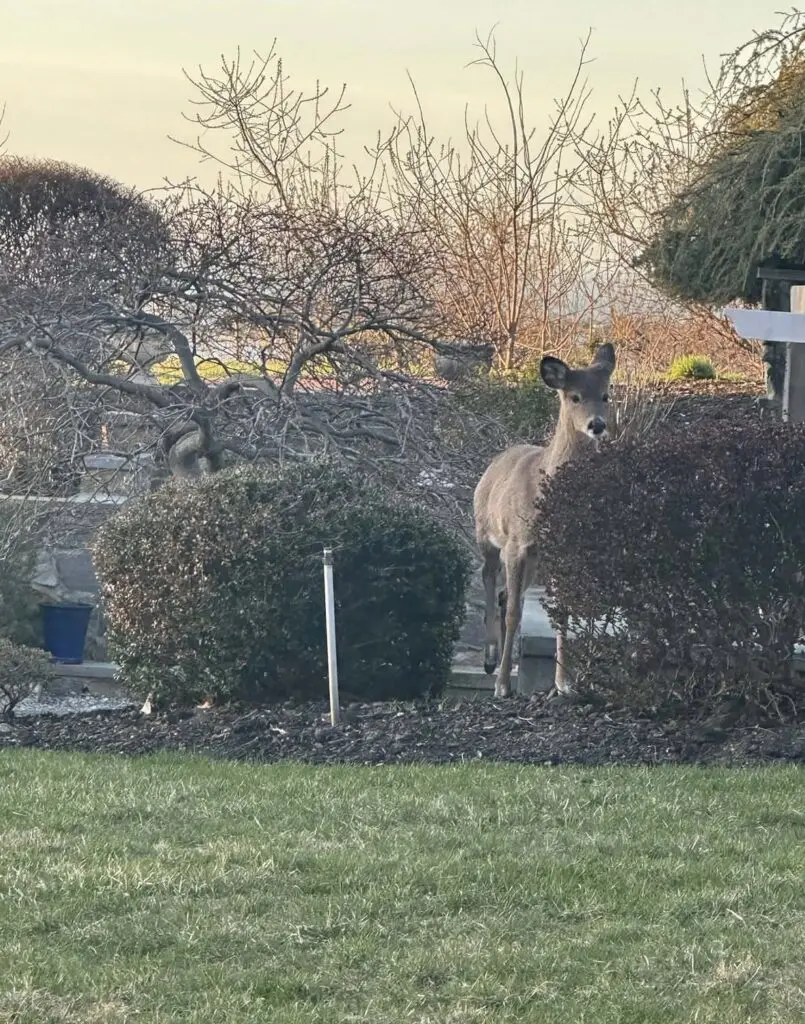

After feeding, female ticks detach from the deer and lay eggs throughout the landscape.
Common locations include:
These shaded, humid environments help young ticks survive.
Once the eggs hatch, thousands of tiny larval ticks begin searching for hosts. Over time, this creates a growing population of deer ticks in your yard, increasing the chances of future tick encounters.
If deer regularly walk through your property, it’s usually because your landscape provides everything they need.
Common attractions include:

The more frequently deer visit, the more opportunities there are for deer to bring ticks into your yard.
Ticks are more than just an outdoor nuisance. Many species can transmit diseases to people and pets.
Some of the most common tick-borne illnesses in the United States include:
Children, pets, and anyone who spends time gardening, mowing, or relaxing outdoors are at greater risk of encountering ticks hiding in the landscape. Because many tick bites go unnoticed, reducing tick populations around your home is one of the best ways to lower your family’s exposure.
After deer bring ticks into your yard, those ticks don’t spread evenly across your lawn. Instead, they concentrate in cool, shaded locations with high humidity.
Ticks spend much of their lives waiting on vegetation for a host to brush past, a behavior known as “questing.” This is why simply treating open lawn areas often misses where ticks actually live.
No, although deer bring ticks into residential landscapes more than most large mammals, they aren’t the only wildlife involved.
Other common hosts include:


In fact, mice are one of the primary reservoirs for the bacteria that causes Lyme disease. Check out our blog to learn more: What Animals Carry Ticks & Spread Them to Others.
Because multiple animals contribute to the tick life cycle, reducing tick populations requires a comprehensive approach, not just focusing on one species.
One of the best ways to lower future tick introductions is to reduce how often deer visit your landscape.
Helpful strategies include:
While these steps can help, deer are persistent. Once they identify your property as a reliable food source, they often return throughout the year.
Along with discouraging deer, homeowners should reduce the habitat where ticks thrive.
Consider these maintenance practices:
These practices help reduce favorable conditions, but they rarely eliminate established tick populations on their own.
At ohDEER, we understand how deer bring ticks into your yard, which is why our all-natural tick control service targets ticks where they actually live.
Unlike light perimeter sprays, our saturation method is designed to reach the areas where ticks hide throughout the season.
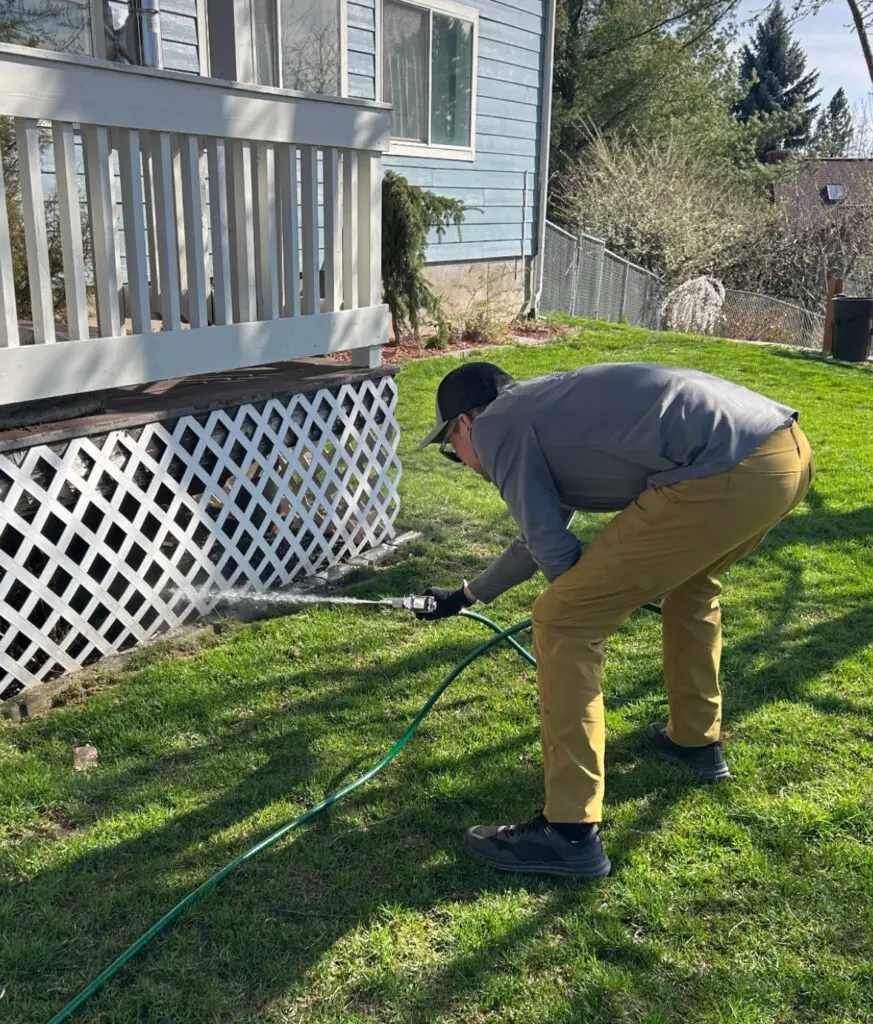
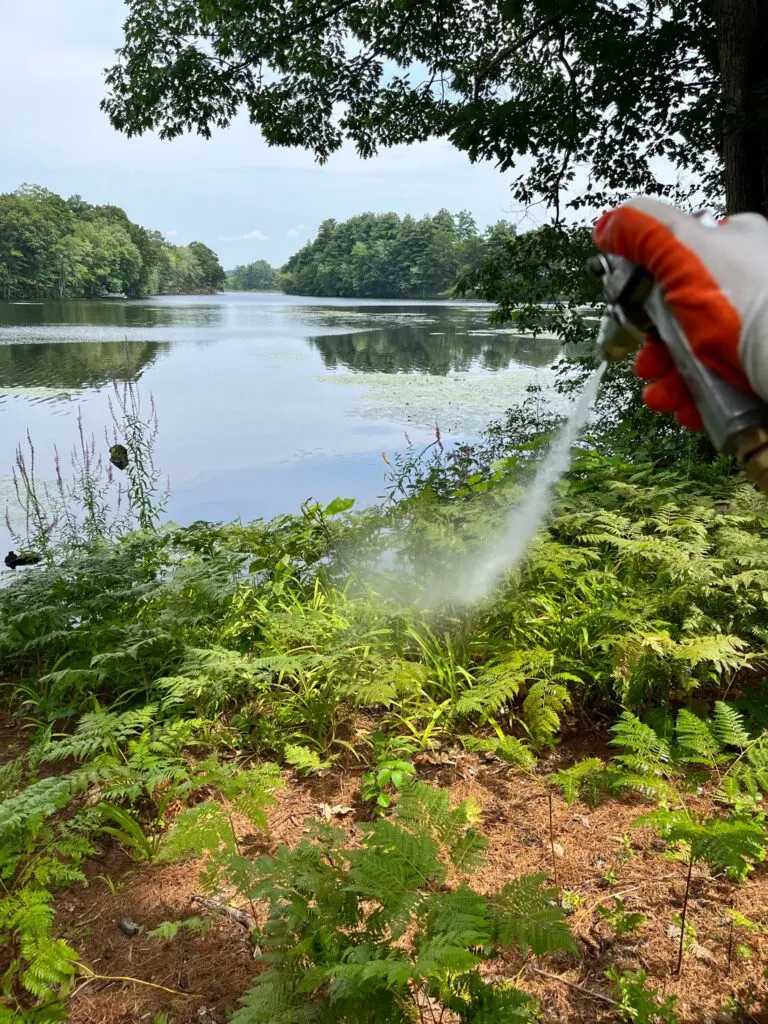
Because ticks spend most of their lives in vegetation, not out in the middle of the lawn, thorough coverage makes a significant difference.
Reducing existing ticks is important, but preventing new ticks from arriving is just as valuable. That’s why combining deer control with tick control offers a more complete strategy.
ohDEER’s All-Natural Deer Control program helps by:
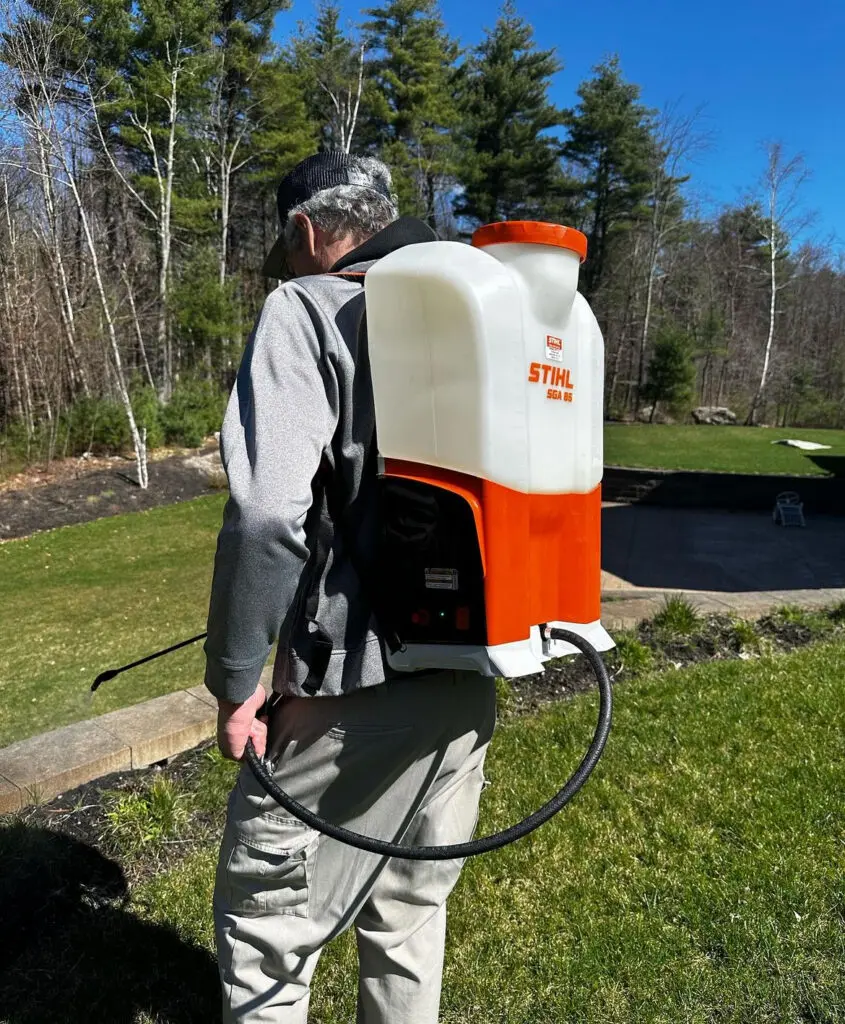

Addressing both deer and ticks creates a more effective long-term solution than treating either problem alone.
Not always. However, deer frequently carry adult ticks, so regular deer activity increases the likelihood that ticks are being introduced onto your property.
Yes. Mice, birds, rabbits, chipmunks, and other wildlife can also transport ticks into residential landscapes.
Blacklegged (deer) ticks can remain active whenever temperatures are above freezing, even during mild winter days.
No. While reducing deer activity helps lower future tick introductions, other wildlife also supports the tick life cycle. The best results come from combining deer management with habitat reduction and professional tick treatments.
The most effective approach combines:
So, do deer bring ticks into your yard?
Yes. Deer are one of the primary ways adult ticks are transported into residential landscapes, making them an important part of the tick life cycle. If deer frequently visit your property, they may be introducing ticks that can reproduce and establish populations where your family and pets spend time outside.
The good news is that you don’t have to simply live with the problem. By reducing deer activity, eliminating favorable tick habitat, and using effective all-natural tick control, you can dramatically reduce tick pressure around your home.
At ohDEER, we help homeowners enjoy more time outside by addressing both sides of the equation, deer and ticks. By reducing repeat deer visits while targeting ticks where they actually live, we provide a smarter, long-term approach to protecting your yard naturally.