


If it seems like there are suddenly rabbits everywhere in your yard, you’re not imagining things. Many homeowners start the spring seeing a single rabbit nibbling on flowers and wonder why there are so many rabbits in their yard just a few weeks later.
The answer lies in one remarkable fact: rabbits are among the most prolific breeders in North America.
So, how many babies do rabbits have? A single female rabbit can produce multiple litters each year, resulting in dozens of offspring during one breeding season. Combined with favorable weather, abundant food sources, and safe nesting locations, rabbit populations can grow surprisingly fast.
Understanding how rabbits reproduce, when rabbits have babies, where rabbits build nests, and how long baby rabbits stay with their mother can help homeowners better understand the rabbit activity they’re seeing around their property.
In this guide, we’ll answer the most common questions about rabbit reproduction and family behavior.
One of the most common questions homeowners ask is: how many babies do rabbits have?


The most common rabbit species found in suburban and residential areas throughout much of the United States is the Eastern Cottontail. These rabbits are well known for their reproductive success.
A female rabbit, known as a doe, can produce:
Most litters contain between 4 and 6 baby rabbits, often called kits. Because breeding season lasts for much of the year, a single female can produce multiple generations of offspring in one season.
The answer also depends on food availability, weather conditions, and habitat quality. In favorable environments, a wild rabbit may produce several litters throughout spring, summer, and early fall. Since each litter typically contains 4 to 6 babies, it’s easy to see how rabbit populations can increase rapidly.


What makes rabbits especially successful is their short gestation period. Pregnancy lasts only about 28 to 31 days, and a doe can become pregnant again shortly after giving birth.
This rapid reproductive cycle is one reason rabbit populations can seem to explode overnight.
Of course, not every baby rabbit survives to adulthood. Predators, disease, weather, and habitat conditions naturally reduce rabbit populations. However, when conditions are favorable, rabbit numbers can increase dramatically from one year to the next.
Another common question is how many litters do rabbits have per year?
Most wild rabbits produce between 3 and 7 litters annually, though rabbits in warmer climates may reproduce even more frequently.
Several factors influence litter production, including:
Because rabbits can become pregnant again so quickly after giving birth, multiple litters are common throughout the year.
For homeowners, this means that one rabbit in spring can easily become several rabbits by late summer.
Many homeowners suddenly notice increased rabbit activity and ask, “Why are there so many rabbits in my yard this year?”
Several factors contribute to population booms.
Harsh winters can reduce rabbit survival rates by limiting food and increasing exposure to predators.
When winters are mild:
Even one mild winter can lead to significantly higher rabbit populations the following growing season.
Homeowners also frequently ask, what attracts rabbits to my yard?
The answer is usually a combination of food, shelter, and safety.
Common rabbit attractions include:
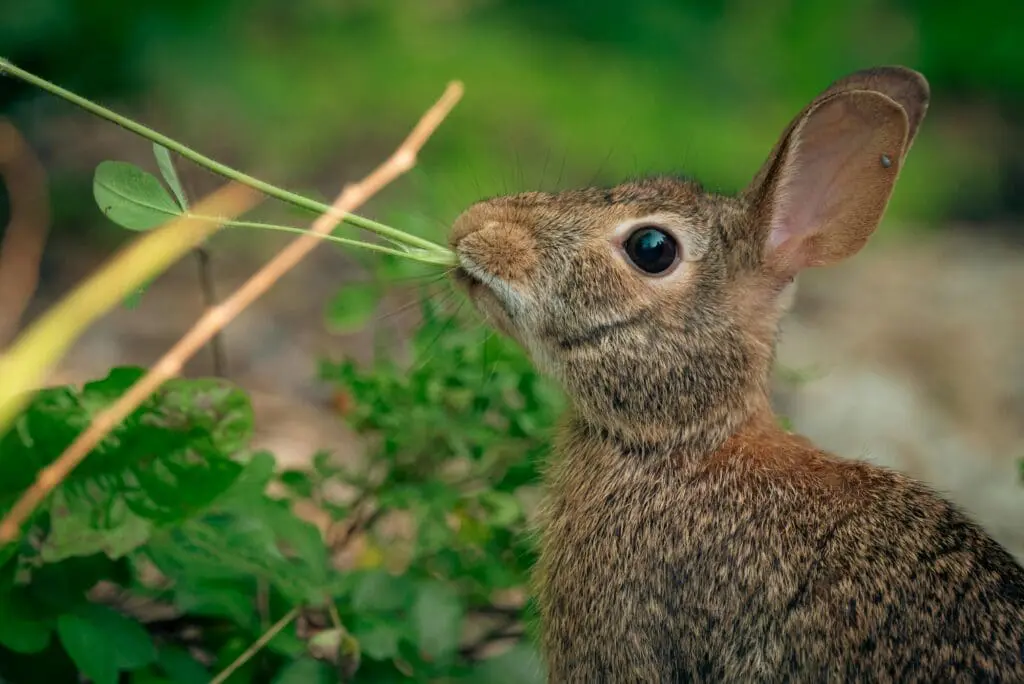

These plants provide highly desirable food sources that help rabbits maintain good body condition and support successful reproduction.
Natural predators help regulate rabbit populations.
Common rabbit predators include:
In many suburban neighborhoods, predator populations are lower than in rural environments, which can increase rabbit survival rates.
Rabbits thrive where they can quickly escape danger.
Dense landscaping often provides ideal shelter, including:


The more cover available, the safer rabbits feel and the more likely they are to establish territories nearby.
Many homeowners wonder when do rabbits have babies and how long breeding season lasts. Rabbit breeding seasons vary slightly by region, but most activity occurs between late winter and early fall.
In warmer regions, breeding activity may begin as temperatures moderate.
Breeding season is underway across much of the country. Early litters begin arriving, and homeowners may notice increased rabbit movement.
Rabbit activity increases significantly. Many first litters are born, and does may already be pregnant with additional litters.
Peak nesting season begins. This is one of the most common months for homeowners to discover rabbit nests while mowing or gardening.
One of the busiest months for rabbit reproduction. Multiple litters may be present simultaneously.
Breeding remains highly active. Warm weather and abundant vegetation provide ideal conditions for raising young.
Many does continue producing additional litters.
Breeding activity gradually slows in northern regions.
Late-season litters may still occur during warm years.
Most breeding activity pauses in colder climates as rabbits focus on winter survival.
Another common question is: what does a rabbit nest look like?
Many homeowners are surprised by how difficult rabbit nests are to spot. Unlike bird nests, rabbit nests are designed to remain hidden.
A rabbit nest typically appears as:


Many nests are nearly invisible until accidentally discovered.
Homeowners often find nests while:
At first glance, a rabbit nest may simply resemble a small patch of dead grass or a slightly sunken area in the lawn. The mother intentionally disguises the nest to protect her young from predators.
Many people assume rabbits nest underground in burrows. However, Eastern Cottontails usually build shallow ground nests.
Common nesting locations include:

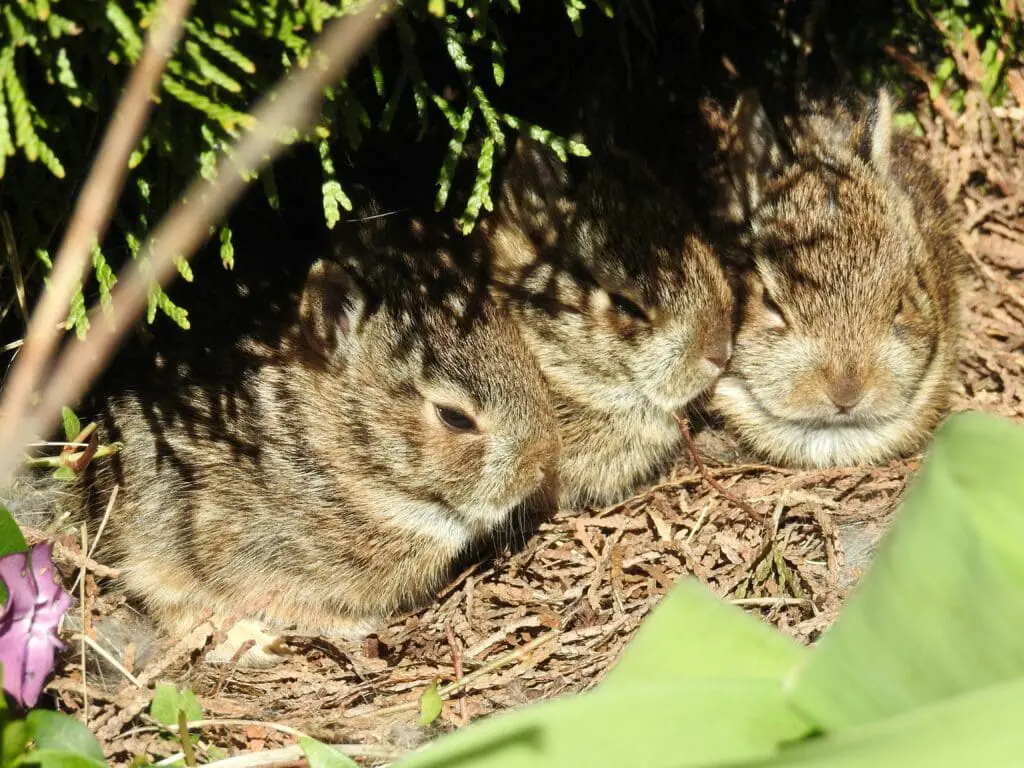
Suburban landscapes often provide ideal nesting habitat because they combine abundant food sources with relatively low predator pressure.
If you discover a rabbit nest, the best approach is usually to leave it alone. Many homeowners mistakenly assume baby rabbits have been abandoned because they rarely see the mother nearby.
In reality, rabbit mothers intentionally stay away from the nest for most of the day to avoid attracting predators. A doe typically visits only around dawn and around dusk. These feeding sessions usually last only a few minutes.
If the nest is located in an area that may be disturbed, homeowners can place a temporary marker nearby to help avoid accidental damage while mowing or gardening. In most cases, the babies will leave the nest within a few weeks.
According to Mass Audubon, “If a nest is discovered, the easiest solution is to tolerate its brief presence. Don’t attempt to relocate a nest; it’s highly unlikely that the mother cottontail will succeed in finding it. Also, keep pets and children away. If a baby rabbit is removed from a nest by a person or pet, immediately return the cottontail to the nest. Wear gloves and handle the animal as little as possible to avoid transferring the odor to it.”
One of the most searched questions online is how long do baby rabbits stay in the nest? Rabbit development happens surprisingly quickly.
Newborn rabbits are blind, hairless and completely dependent on their mother.
Fur begins developing, and babies remain entirely within the nest.


Eyes open and young rabbits become more active.


Most baby rabbits begin leaving the nest and exploring nearby areas. At this stage, they are already capable of surviving on their own.


Many homeowners also ask how long do baby rabbits stay with their mother?
Unlike many mammals, rabbits become independent very quickly. Within four to five weeks, young rabbits are fully independent and no longer rely on their mother for care.


This rapid development is another reason rabbit populations can expand so efficiently. Within just a few weeks, one litter can become several independent rabbits feeding throughout your landscape.
One of the most common wildlife misconceptions involves baby rabbits. Because mothers visit so infrequently, homeowners often assume the babies have been abandoned.
However, this absence is usually completely normal. Rabbit mothers evolved this strategy because spending too much time near the nest increases the risk of attracting predators.
Unless the nest has been destroyed or the babies appear injured, intervention is rarely necessary.
Many homeowners ask, do rabbits reuse the same nest every year?
The answer is generally, no. While rabbits often remain within the same area if suitable habitat exists, they typically build a new nest for each litter. However, rabbits do show strong preferences for familiar habitat.
A property that successfully supported nesting one year may attract nesting activity again because it provides:
In other words, rabbits may not reuse the exact nest, but they often return to the same neighborhood or landscape.
Modern suburban properties provide many of the resources rabbits need to thrive. Homeowners often create ideal rabbit habitat without realizing it.
Key attractions include:
Landscapes provide a buffet of desirable plants throughout the growing season.
Foundation plantings, shrubs, ornamental grasses, and brush piles offer excellent protection.
Many suburban neighborhoods support fewer predators than rural areas.
Irrigation systems, birdbaths, and other water sources help support wildlife populations.
Combined, these factors create extremely favorable conditions for rabbit reproduction and survival.
Understanding rabbit family behavior helps explain why rabbit damage can suddenly become more severe. A single rabbit today may represent multiple generations feeding in the same area by the end of the season.
Homeowners can help reduce rabbit activity by:
For properties experiencing persistent rabbit damage, professional rabbit control programs can provide an additional layer of protection while helping homeowners continue to enjoy their landscapes.
So, how many babies do rabbits have? A single female rabbit can produce 3 to 8 babies per litter and as many as 3 to 7 litters per year. Under ideal conditions, that can result in 40 or more offspring annually.


From understanding when rabbits have babies and where rabbits build nests to learning how long baby rabbits stay in the nest and what attracts rabbits to your yard, knowing more about rabbit family behavior can help homeowners make sense of the rabbit activity they’re seeing around their property.
If you’ve noticed more rabbits than ever before, you’re likely witnessing the combined effects of successful breeding, favorable habitat, abundant food sources, and seasonal population growth. By understanding how rabbits reproduce and raise their young, you’ll be better equipped to recognize nesting activity and protect your landscape from ongoing rabbit damage.
Also, here’s how to tell rabbits from hares. It will help you correctly identify wildlife and understand yard damage.